Our Child Sized Kitchen: A history


Of all the questions I recieve about Montessori, our little kitchen gets more questions than anything else. So, I decided I’d better put all the details in one place.
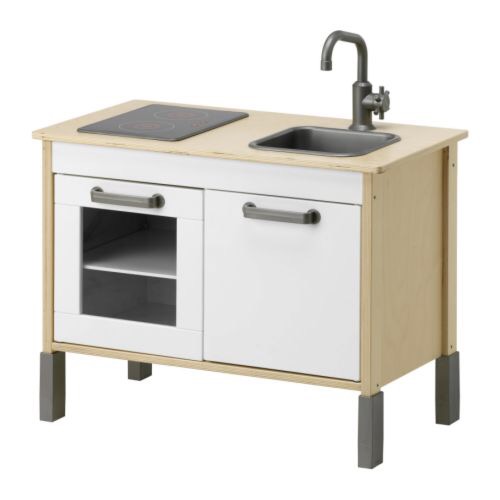
We bought this IKEA kitchen for Quentin for his first Christmas. An odd gift to give a premature 8 month old yes, but he had just started to wean, and we knew it would be perfect in the upcoming years. 

There is nothing more important in Montessori than respect for the child, and with that, there is no greater respect than the Prepared Environment. 

Somewhere that is their own. Somewhere they can keep their things independently, neatly and in a reachable space. 
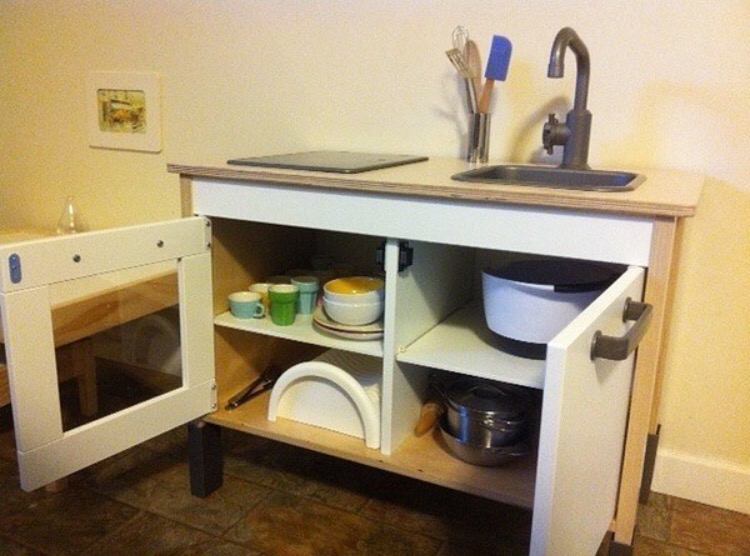

This picture was first featured here. It is our first set up of the kitchen. It houses Quentin’s tiny porcelain weaning glasses, first dishes and some fun yet practical kitchen tools that waited for the day he could use them. 

Just like when we set up his Care of Self area in the bathroom featured here, we set up the kitchen far earlier than he could use it. The Absorbent Mind of a child is always watching. A parent or teacher needs only to model the behaviour consistently for the child to start mimicking it on their own. He watched us remove his dishes, return them, clear his dirty ones to the tiny sink. And so it wasn’t long before he was doing it independently. 


Here he is just after turning one. At this point it was mostly exploration. But it quickly became more. 


I wrote a post here about our essential kitchen tools. Although we have added many more now, these 6 are still our important ones. These are the ones that get used everyday.  Providing your child with real working tools is critical in Montessori. This has never been a play kitchen. He slices, chops, pours, strains and peels real food. Some may become alarmed at the thought of small children using sharp knives and tools. However, it is extremely important children be given the trust from an early age. There must be many lessons on safety, concentration, and use. These don’t simply come because you tell your child to be careful and then hand over a knife. Modelling, many experiences and dialogue with a parent are needed. 


Here he is just before two years old washing his dishes. A small liquid soap dispenser and dish to hold a sponge (half the size) allowed him complete independence at an early age. We installed hooks beside the kitchen to keep his aprons within easy reach. Many of our kitchen accessories came from Montessori Services

We don’t have plumbing on this wall. The cost of installing plumbing was completely unreasonable when he will only use the kitchen for less than 7 or 8 years. We drilled a hole in the bottom of the plastic sink and he uses a flat plug. He fills the sink with warm water from a pitcher and when done, pulls the plug and it emptied into a bowl inside on the shelf at that time. It now drains out a little hose and into a bucket that he empties. 

These were all the first skills he required. His kitchen has evolved over time so that now, at four it includes cooking with heat. 


A small electric skillet allows him to cook a variety of things. Above a veggie burger for his lunch. Below he’s making scrambled eggs for our dinner. 


I’ll get the disclaimer out of the way now: He is capable, but he is still young. Whenever Quentin is using heat or a sharp blade, I always have both eyes and my full attention on him. His independence and his safety are my responsibility.

So, how does one replicate this? It’s like anything else you would put on your child’s Montessori shelves. This is a process of many steps. Start small, with one task at at time. If they don’t put away their own dishes now, they are not ready to cook independently. 

Modelling is key. Show them how to wash dishes, cut fruit, peel vegetables. This is joyful work to children. Not chores. 

Keep the environment based in reality. If you truly want them to do Practical Life kitchen work, the kitchen must be real. There must be a useable surface space. There must be a useable sink. 

There are so many play kitchens on the market. Brightly coloured ones with flashing lights or sounds, and media characters. These along with play food, toy utensils and the lack of water and heat will confuse the child ultimately setting them up for failure. 

If you truly want them to succeed, look for a kitchen that you would love to use. 

Please feel free to leave questions or comments and I will do my best to answer them. 
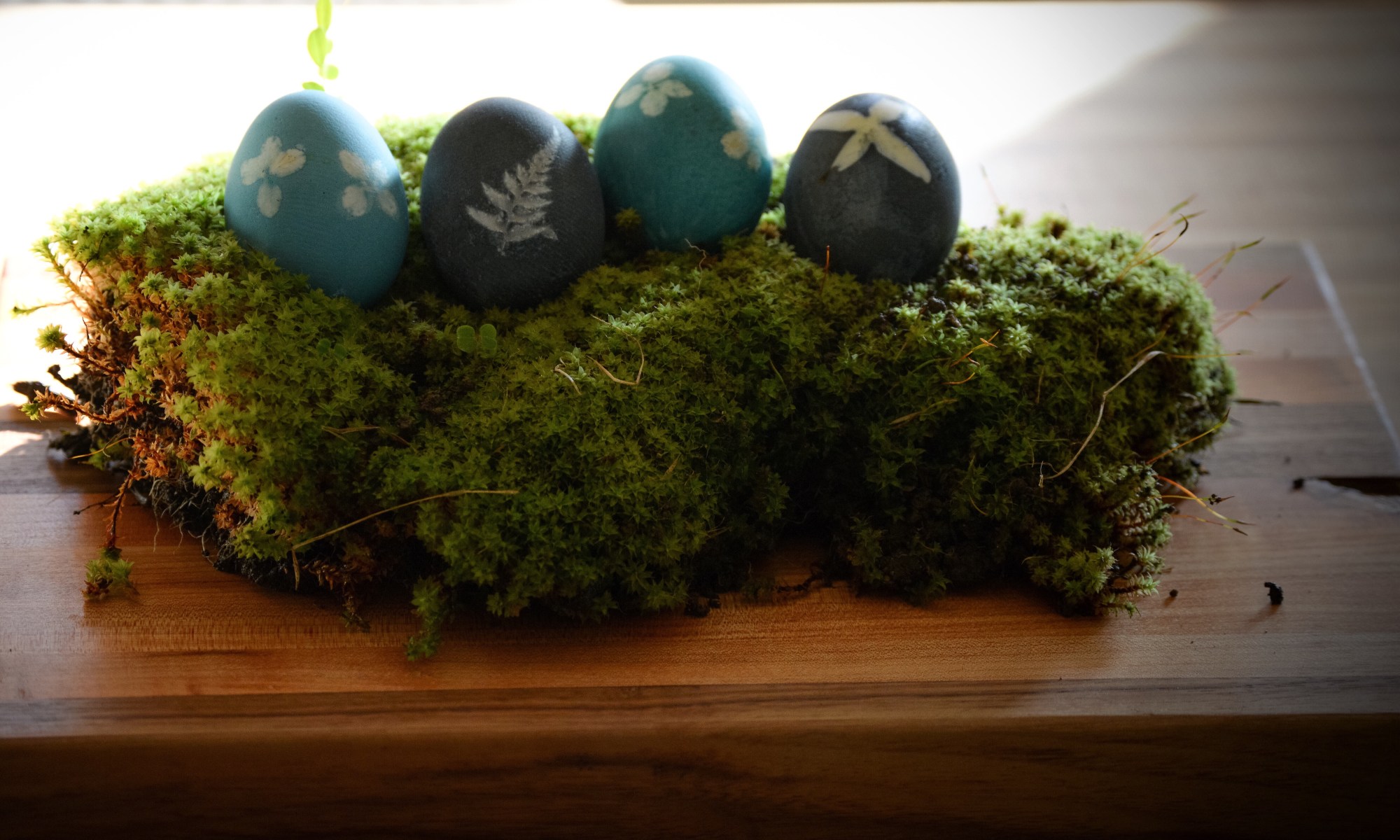
Spring: Naturally dyed eggs

  
Sunshine, birds chirping and lots of time outside. We’ve been off on Spring Break and trying to spend as much time as possible together and relaxing. 
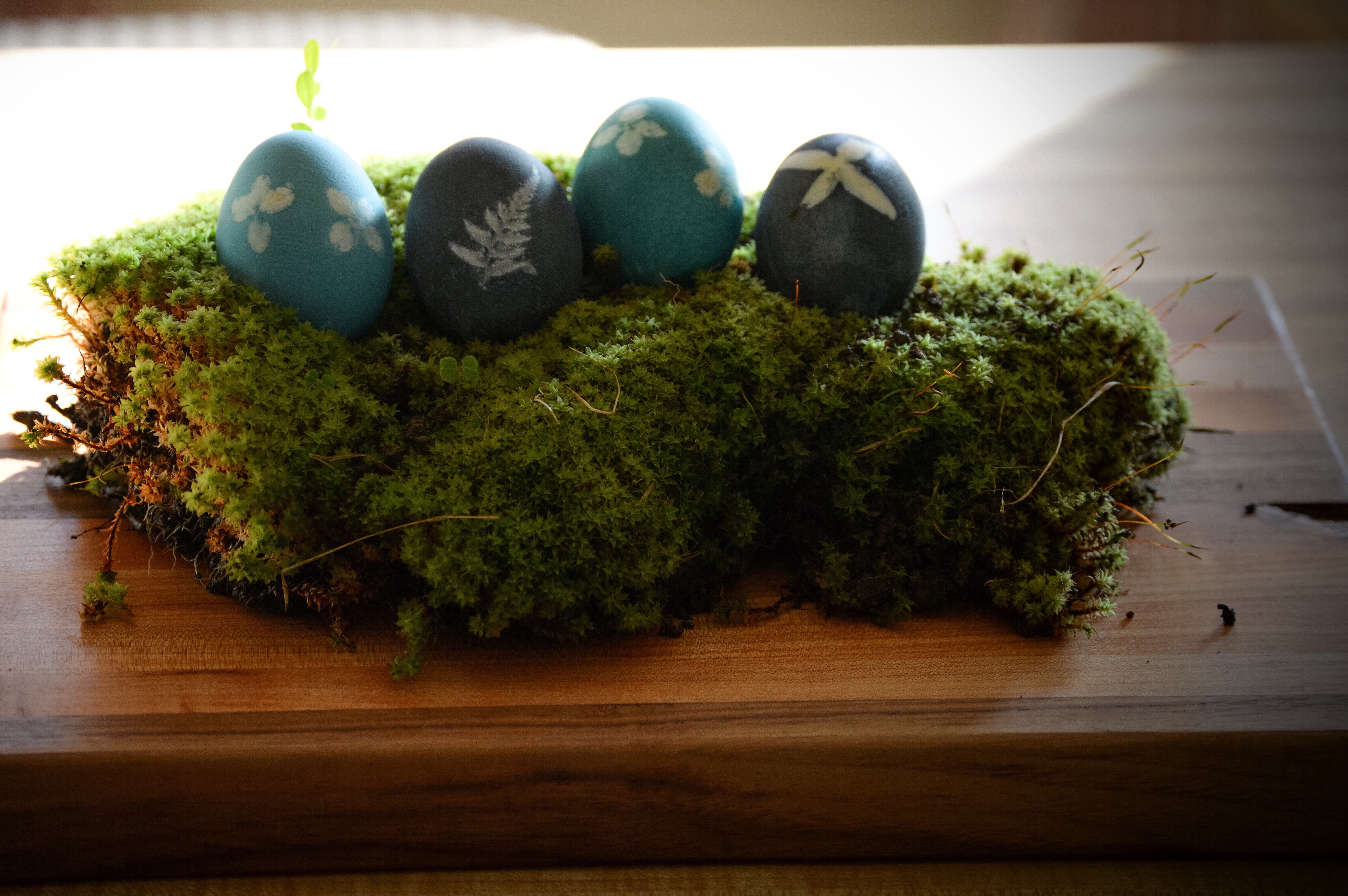
Egg dying was also on the agenda this weekend. Naturally dyed eggs are easy and fun for all ages. 

You don’t need much except patience. 

Materials:

  • White hardboiled eggs
  • Sheer stockings/pantyhose
  • Plant material 
  • Natural dying material 
  • White vinegar 
  • Tall mason jar

We used yellow onion skins, purple cabbage and blueberries. But the list goes on and on. Try experimenting with spices, beets, tea and anything else you’d like.

  1. Use one mason jar for each colour
  2. Put your dying material into mason jar
  3. Put in 2 tablespoons white vinegar
  4. Place a small piece of plant or flower onto egg (optional)
  5. Wrap egg tightly in stocking and tie it tight (optional, keeps plant material in place)
  6. Place egg into mason jar
  7. Pour boiling water into mason jar until egg is covered 

Leave for 3-6 hours, or overnight. 

Drain the jar when done, unwrap eggs and compost the dye material. Simple and beautiful. 

    
Have a safe and weekend. 

A Child in Nature

 We are going to take a break from our Sunday Book Club this week to instead tell you about this.  
I love spending time out in nature with both boys. We are lucky to live where there is such a vast and diverse wilderness. I also love reading about the different Montessori friendly activities out there for children and their families so when this came along for us I was interested right away. 

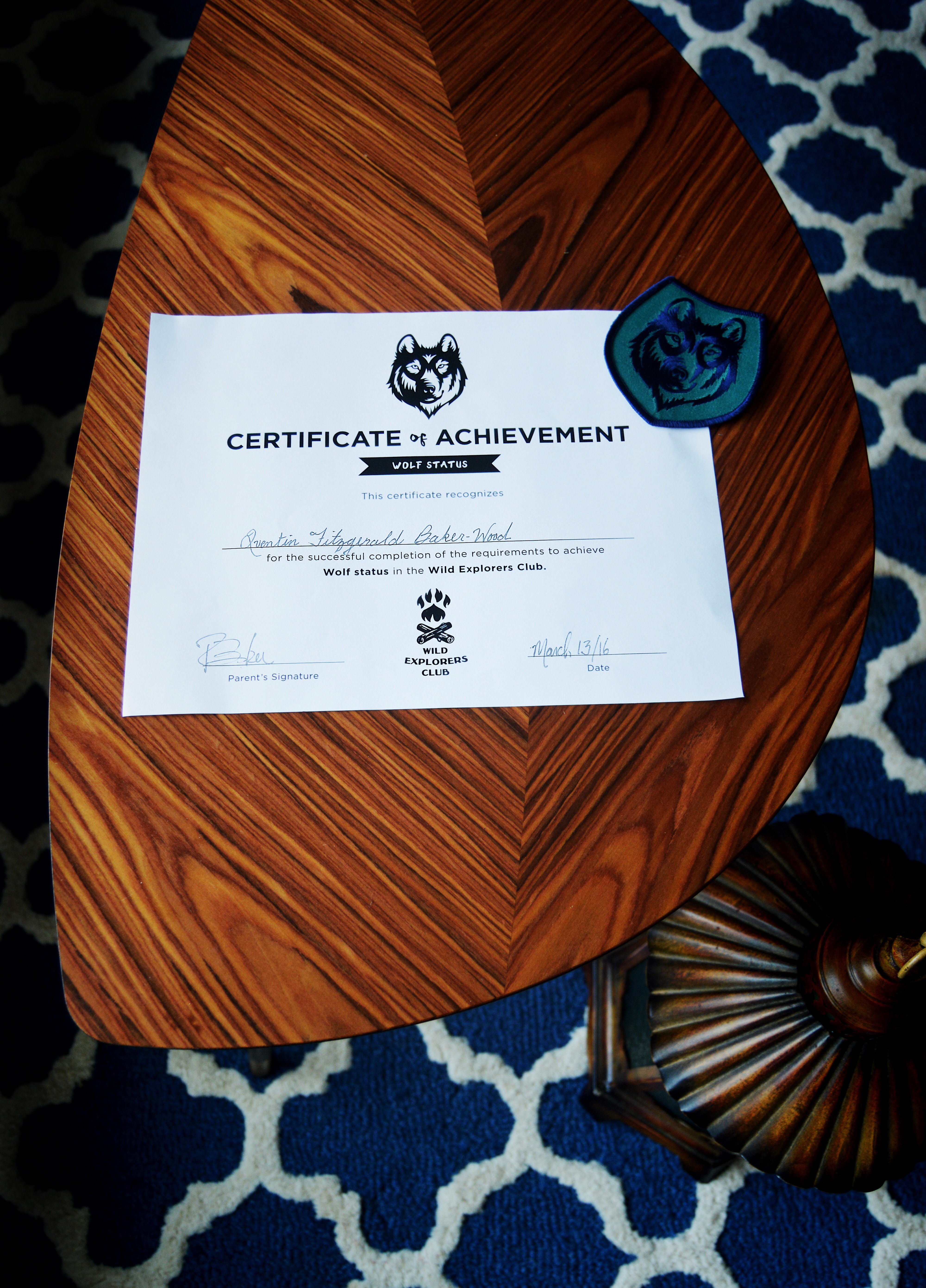
We have been reviewing Wild Explorers Club for the past 6 weeks. Their website is well put together and explains the entire two year programme really nicely. It is a monthly subscription service and at a cost of $12US a month I thought we got what we paid for. 

Each week there is a new activity for the child and their family to try. The programme starts when you sign up so you don’t have to jump in part way through anything. The first assignment was make an adventure pack. Others included hike a new trail, find a walking stick and make a nature journal. It includes a monthly paper magazine shipped to your door and all the weekly assignments and final certificate for a level are accessible on your account page and are easily downloadable. 

  
Quentin was so happy when his badge arrived in the mail. I’m not sure we will do the full two years but it has been fun for us so far and it helps motivate me to get us out and seeing the world. 
* All right, I’ll put up a disclaimer: We are not affiliated with Wild Explorers Club and I was not compensated for my review. All opinions expressed are purely my own. 

Montessori Practical Life: Homemade Gifts

The holidays are so special to each of us. We all have our traditions that are close to our hearts. 
For me giving homemade gifts is one of those special traditions. Simple acts of love and kindness, carefully made and gifted to loved ones. What could be better?

This is an excellent opportunity for Practical Life activities for children 3-6 and older. 

Here are some of our favourites.   

  
Cookie making. Little hands rolling and cutting dough into stars, trees and snowmen. Rolled cookies are easy and inexpensive to whip up. Placed in a little tin or box a child can proudly deliver, they make a great gift. 

  
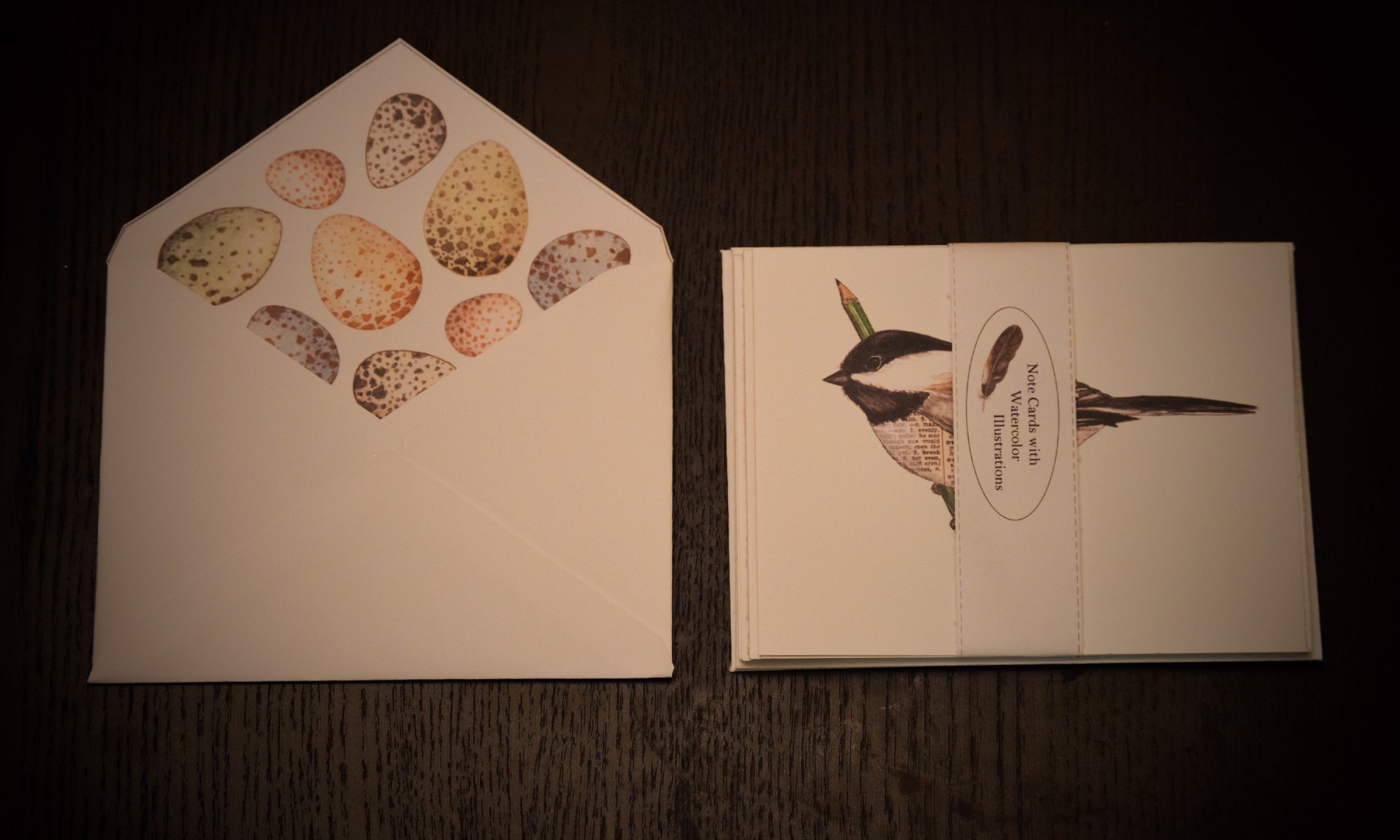
 Printable note cards your child can help fold and assemble. These are from one of my favourite artists Alice Cantrell. Her Etsy Shop is a must for me when I’m looking for a beautiful paper gift to send. I also use many of her works in my Montessori 3-6 classroom. Quentin loves picking something out, going through the printing process and assembling the finished product. 

  
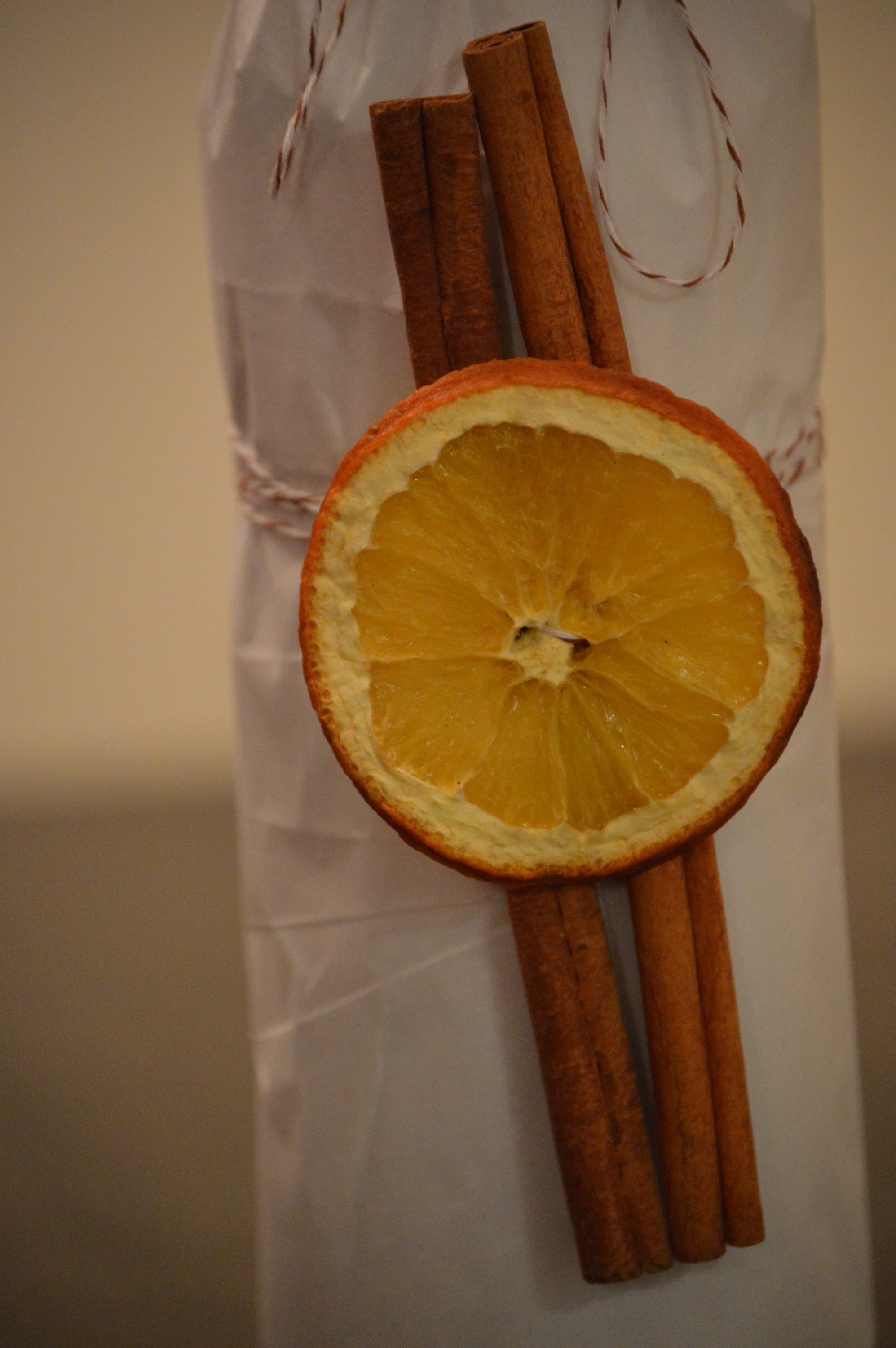
 Drying oranges. They are so easy to do and they make quite a statement when wrapped with cinnamon around a gift. Quentin made these almost completely on his own. I simply placed them in the oven. 

That’s it for now. I hope you enjoy. If you have some favourite homemade gift ideas I love to read them. I’ve included the instructions for the dried orange slices below. 


Changing seasons: Materials and Exploring

  
I love tying what we have on the shelf with our bigger picture. Montessori is about immersing a child in rich, holistic experiences. 

So, when we want to explore the changing seasons, it only makes sense for us to find some beautiful Montessori friendly materials. 

And then, go outside. 


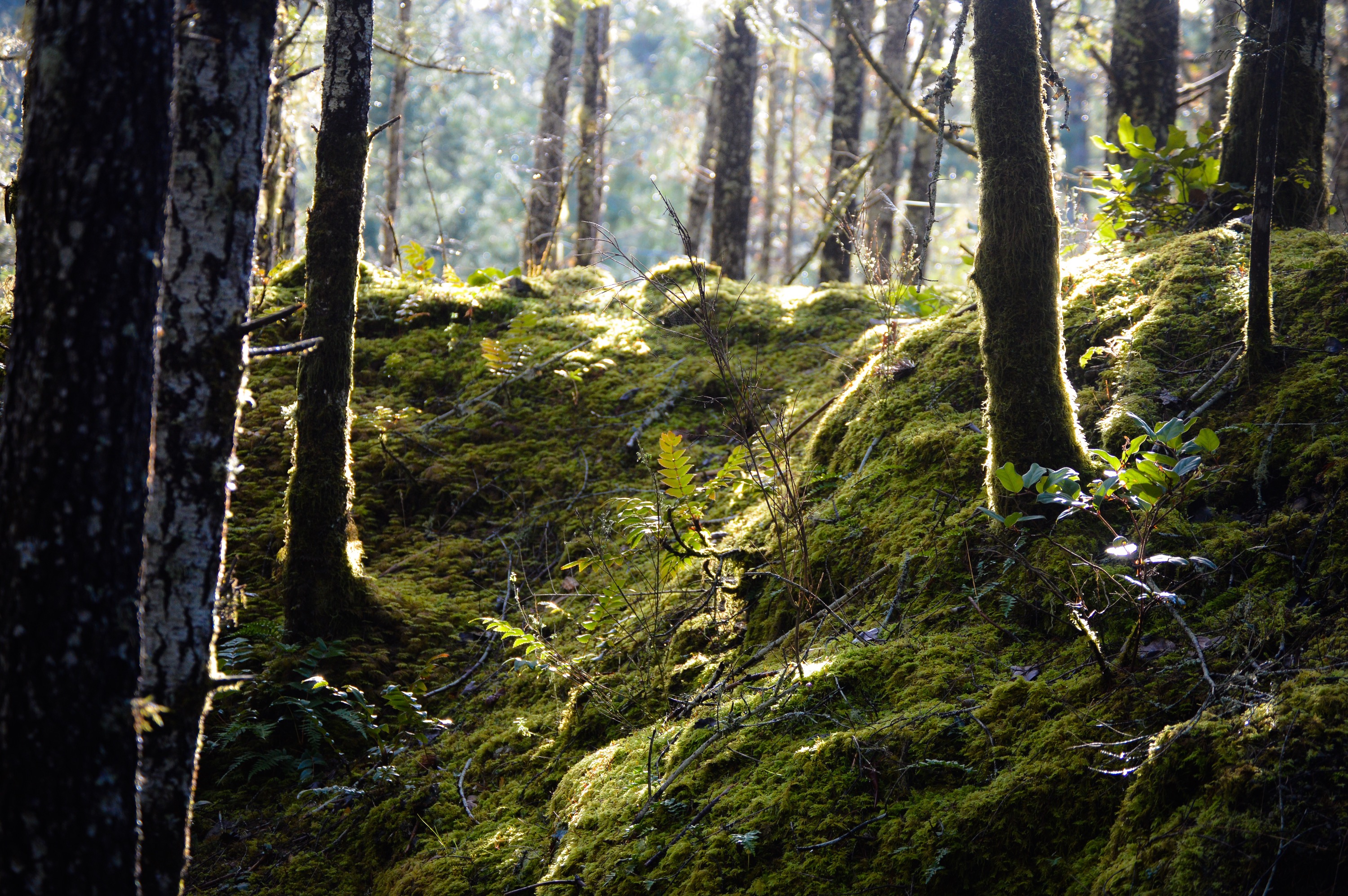
There is so much for a child to take in when walking in the forest. We purposely seek out quiet, peaceful spots where we can really take in our surroundings. This doesn’t have to happen in the middle of nowhere. A quiet corner of the park will do. We stop, practise some mindful breathing and really listen. Even at 3, Quentin has been able to master this with practice. 

  
There is just something about sitting beside a stream. The water starts rushing with the heavy Autumn rains where we live. We could just sit all day. 

In Autumn our favourite shelf activities include: leaf garland sewing, crayon/charcoal rubbings of leaves, and using Autumn themed free printables a like this one and this one

Materials collected from nature walks also make great counters to go with number cards. 


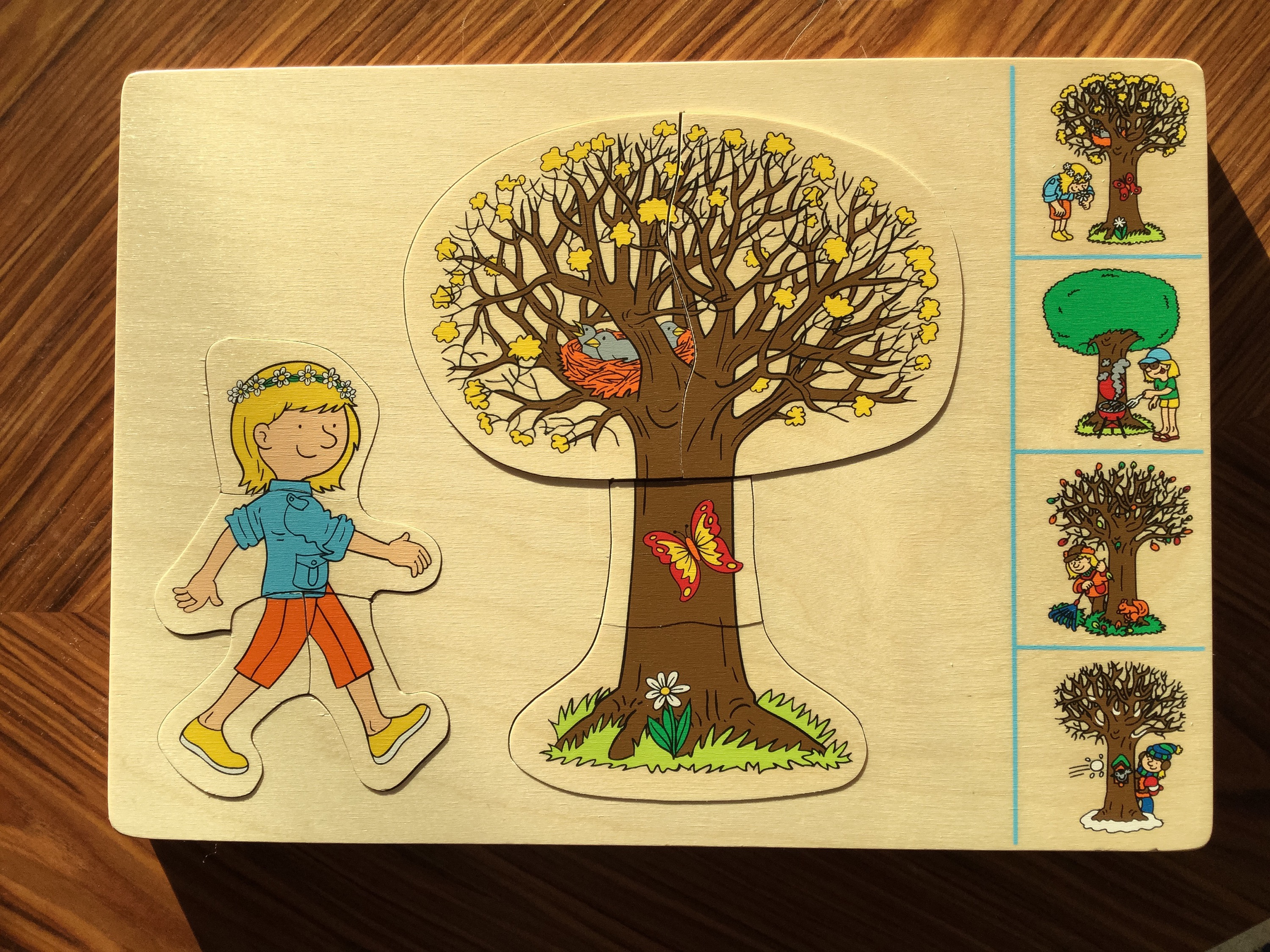
This is a beautiful new multi level puzzle we were gifted from Mind Set Learning Tools. Such perfect timing. 

Our Autumn activities 

  
The air has become crisp. It’s such a cosy time of year. Here are some of the things we have been doing to welcome Autumn. 

  
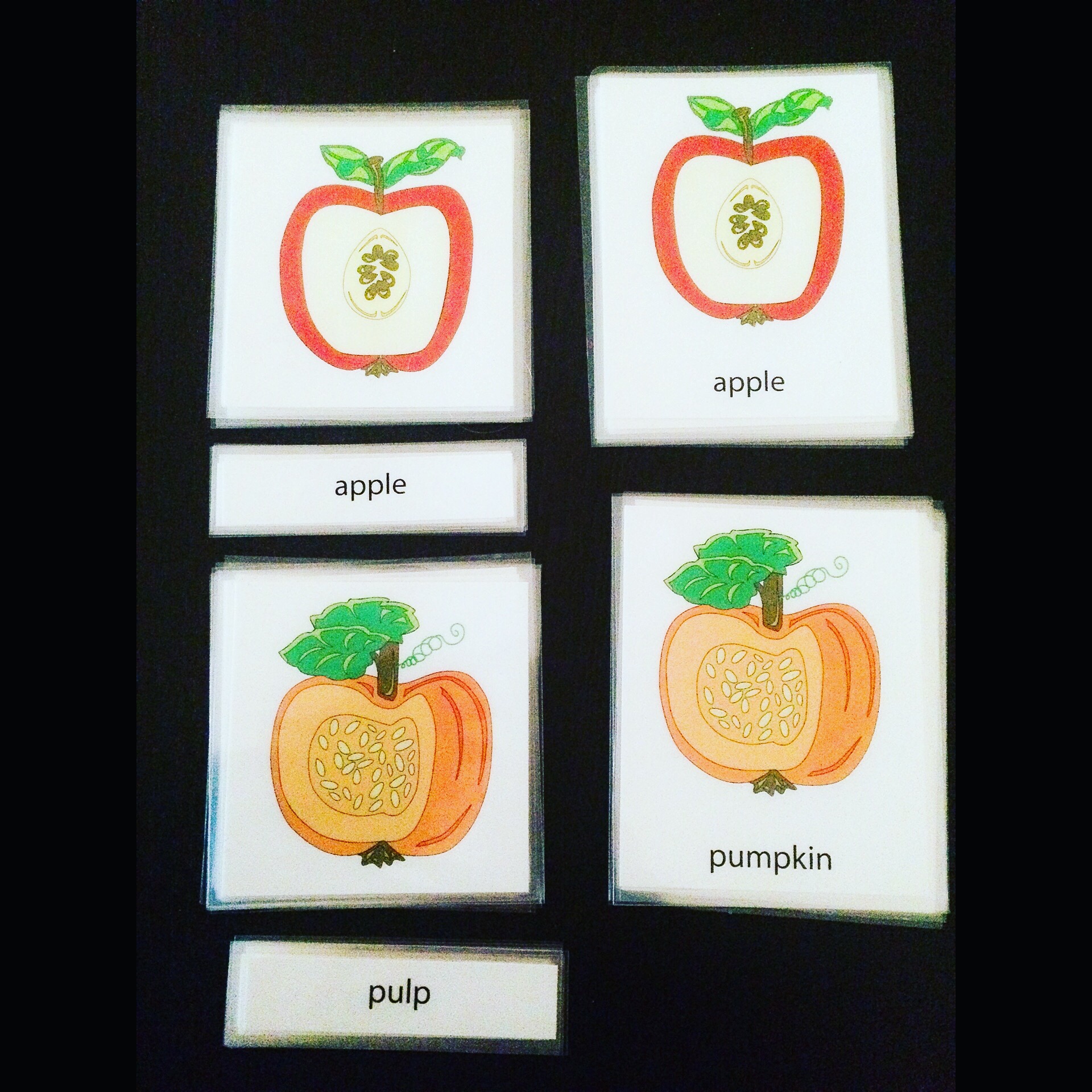
Some absolutely gorgeous 3 part cards by Puzzleheads. These cards are perfect for Quentin. Great detail, and lots of other complimentary products such as matching wooden puzzles and colouring PDF’s. He can easily match the picture to picture and is learning to match the words. This is yet another way we observe and provide materials for his sensitive period for language. He is now able to sound and then make an educated guess about what larger words may be. 

  
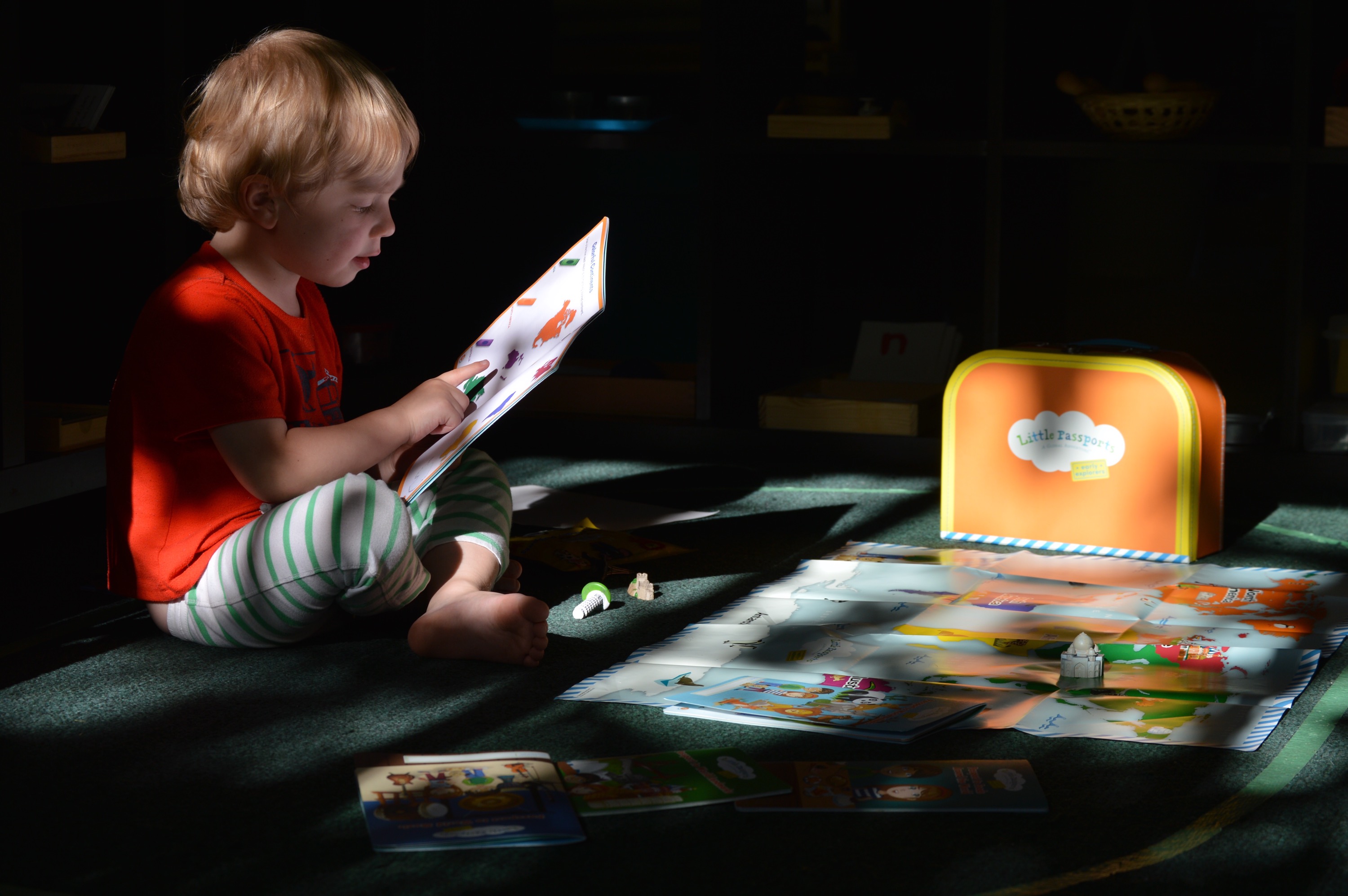
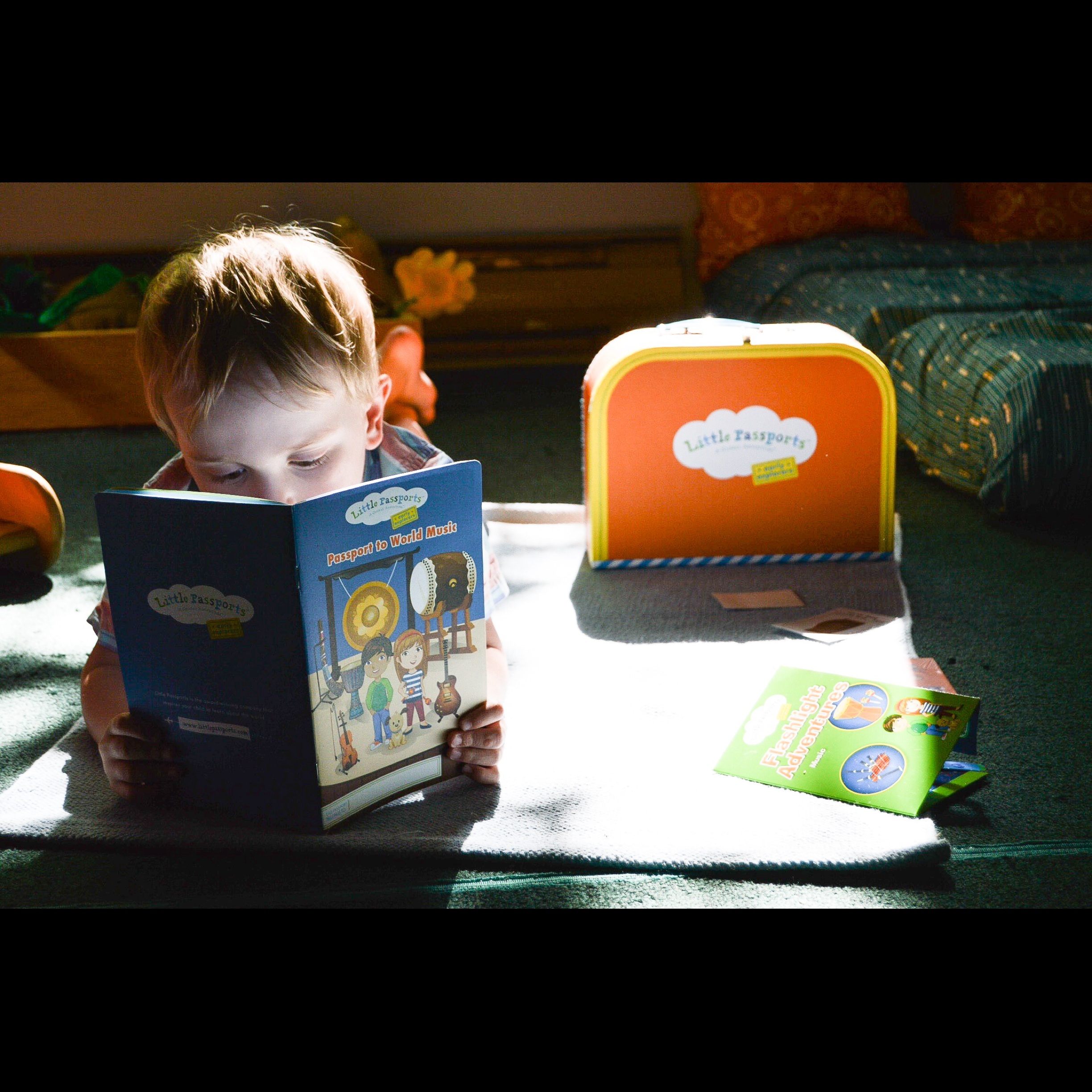
Quentin’s love of geography continues. He uses his Little Passports subscription almost everyday. We explore what is happening around the planet in terms of seasons. He knows our friends south of the equator are opposite to us and therefore just coming into spring. We look up how other cultures and countries celebrate Autumn. 


Finally as always, there is Practical Life. The right sized tools make it fun for him. Raking leaves is such a fantastic activity because it incorporates so many parts. Gross motor, fine motor and sensorial. It also expends a lot of energy which at 3.5 years old, Quentin really needs. 

  
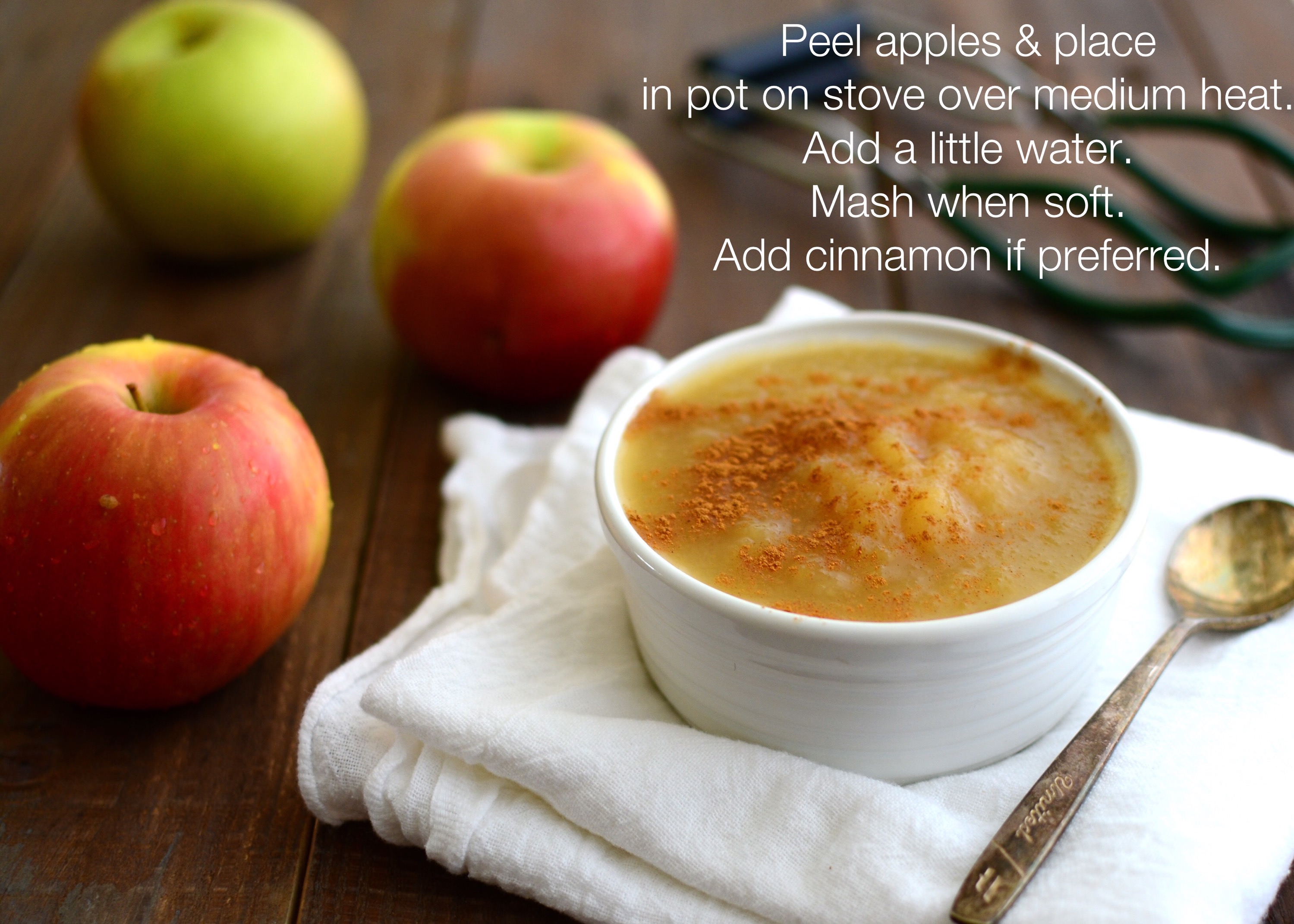
Finally one of our favourite activities is making applesauce using our peeler. Quentin loves using this because he can do it but it isn’t easy. It takes lots of coordination, and concentration. The apples come out as peeled and in spirals which he also loves. 

Our recipe is simple: 

  
We hope you are enjoy whatever season you find yourself in. 

If you’d like to share some ideas for Autumn activities don’t hesitate to leave a comment. 

Life Unexpected: My interview with Baan Dek

  
It’s funny how life happens sometimes. For me there are weeks even months of predictably, and then I find myself unexpectedly sitting in the Edmonton airport waiting for my flight home and I check my email. 

Baan Dek Montessori the makers of the world renowned Montessorium apps and the Montessori Work books approached me to do an interview. 

The last weeks have been a collaboration between us on top of the busy start to the school year.

I’m extremely honoured to have been asked by them. Their kind words and the words of other schools and families who have spoken out about how much the blog or our consultations have made a difference to them reminded me that you never really know how many lives you touch. 
It’s a good lesson for us all. 

Here’s the link if you’re curious:

Baan Dek Montessori

Summer: An Update 

The other day, we had our first morning where the wind definitely had an Autumn chill. It was light but it was there. And so, with school just over a week away I thought I’d share some of my favourite Summer moments we’ve had. 
 
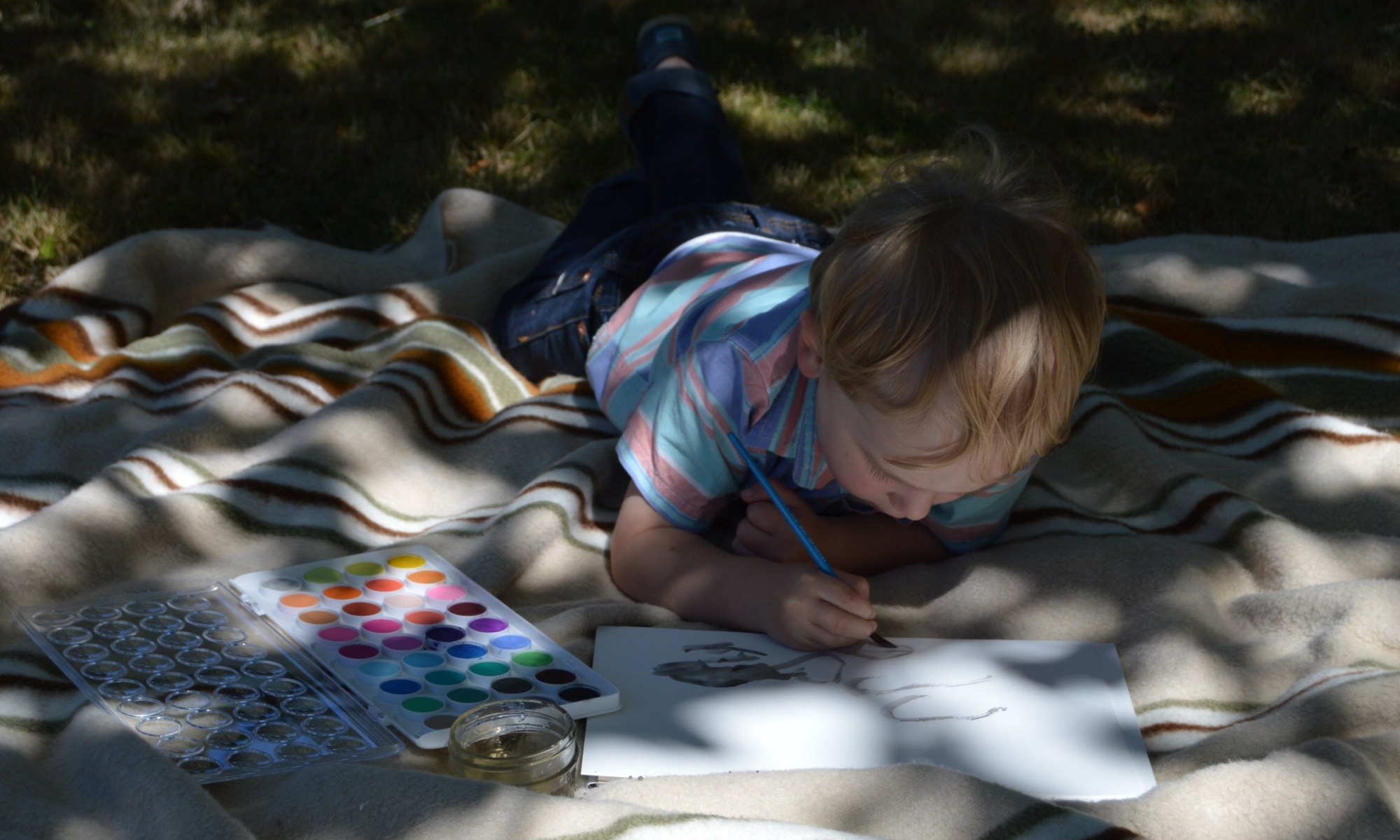
Creating under the big Maple tree in our front yard. I think of all the mornings we’ve spent there drawing painting and reading will be my favourite memories of this Summer. 
  
Nature Journaling. We pack his bag and go. He collects small samples to bring back for our Nature Tray and records the rest. This has been a good way to channel his writing practice. 

  
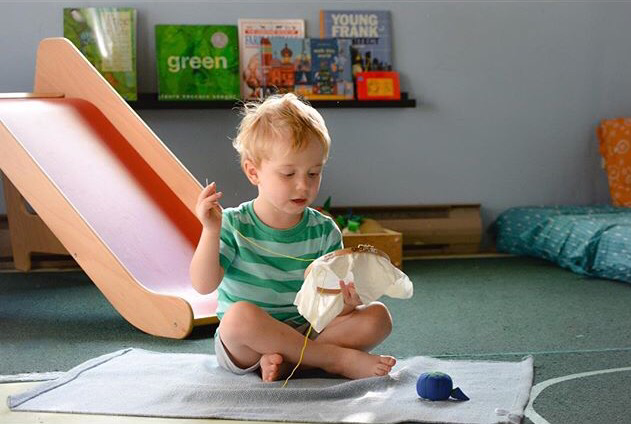
Practical Life. It never really stops. He will sit and sew and we’ll talk. Sometimes about everything and sometimes about nothing. 

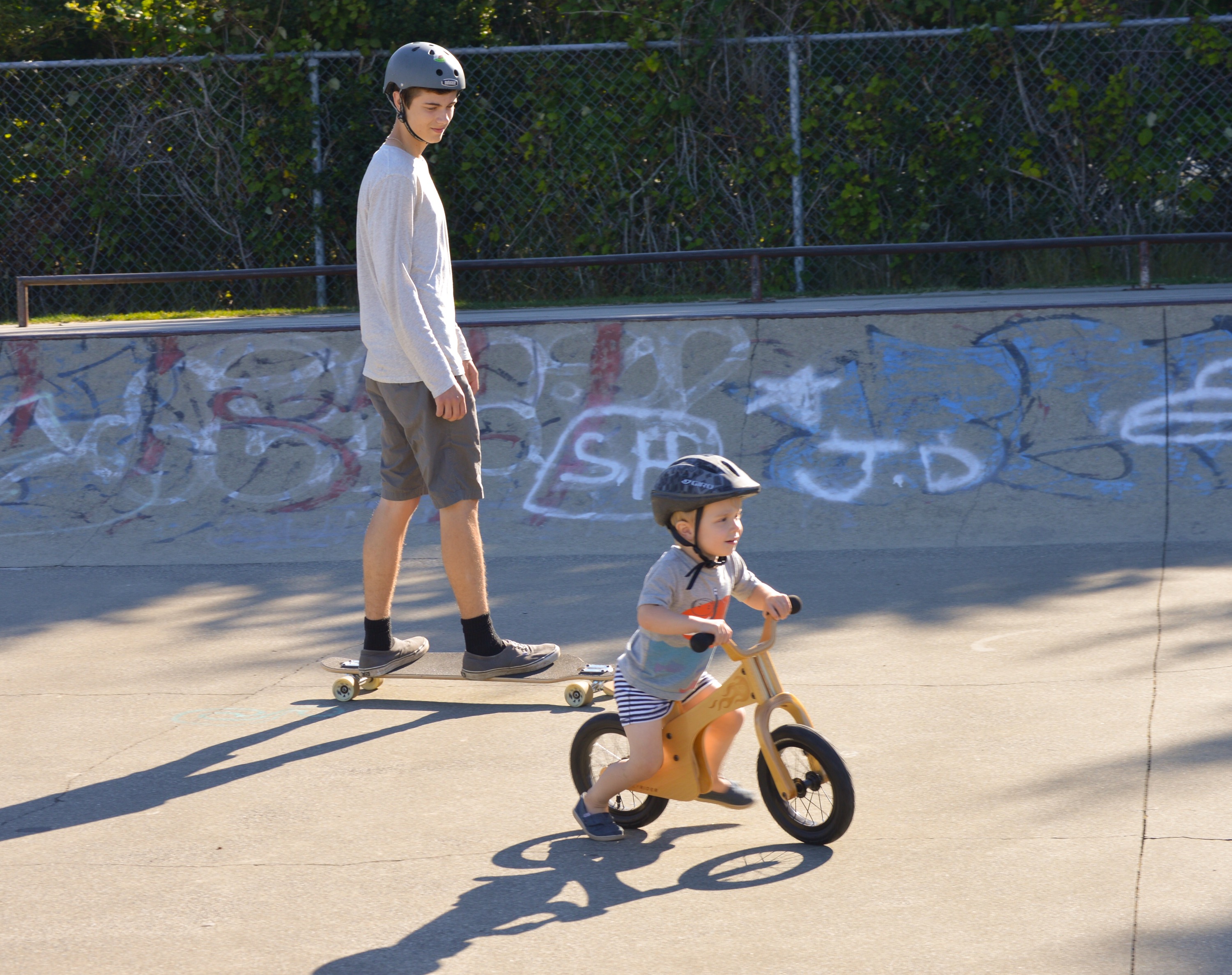
  Bike riding together. Their bond has strengthened while they’ve been off together. This was Anthony’s Birthday.  


And finally, because within every Montessori child lies a teacher, there was work. He would pull something off his shelves, set it up carefully and then call the cat over. 

Here Huxley, see a nineteen is really just a 10 plus a 9. 

His new school bag hangs from his dressing chair and his new school shoes should arrive tomorrow. And we are ready. Ready to get back to it. He asks daily if it’s a school day. It will be good to start the next school year and watch him grow, but it has been a very nice summer. 

Montessori Summer activities to keep the learning fresh

  
Summer. It is a glorious thing isn’t it?
Both boys are now finished school and we have been blessed with hot, not warm but hot weather.  

The new school year is still in the distance and so I’ve been thinking about activities to do with the boys. Things that will keep them from (oh I even hate to type it) the “brain drain.” 

Here’s what we do in the Summer: 

We linger 


We stop a little longer to watch the bees hurry about their work. We breathe the heady scent of lavender a little deeper and we let our fingers run over the soft scented stalks a little more. 

We wander


Whether at the beach, around town or through a good book of far off places. We allow time for exploration of all things. Quentin’s favourite is geography. 
We create 


With paints and pencils and small world play, we encourage creativity and the expression of knowledge. Quentin loves to set up his Schleich farm animals and barn. 

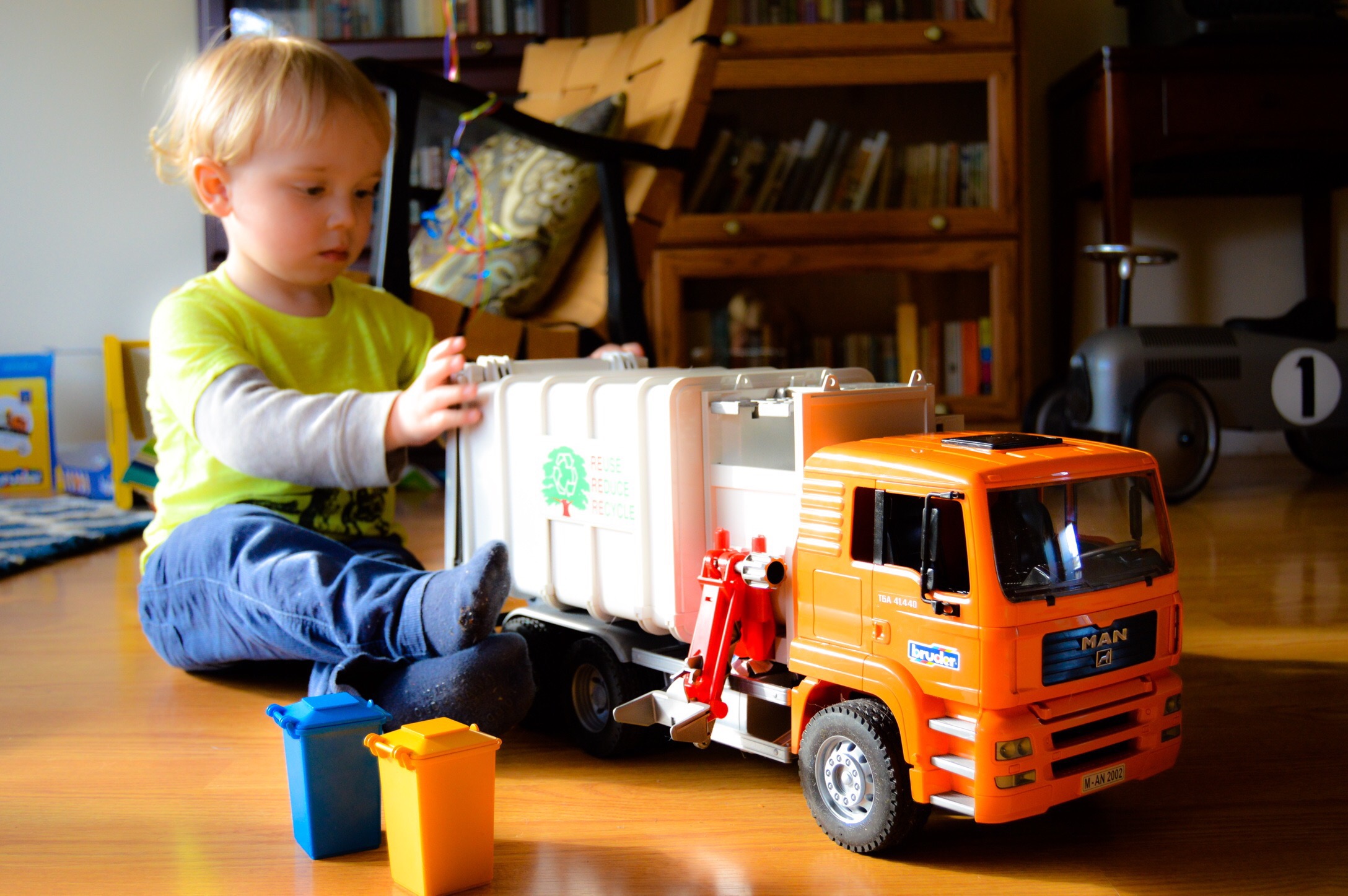
His Bruder recycling truck (pictured below) and tractor (pictured above) also offer him a chance to create with to scale and realistic materials. 


How does all this have anything to do with learning you ask? 

Well, in the Montessori pedagogy learning comes from within the child. It does not happen to the child. So instead of math sheets and reading apps we continue to prepare the environment that will engage the child. We cater to the senses and the inborn curiosity. 

I often get asked about “the trays”. I answer that is doesn’t matter what’s on the tray. What matters is what is in the hand. What I mean by this is that a pretty tray of carefully designed sea shell work is nice, but it is incomparable to the vastness of learning happening when holding a shell at the beach. 

And then, just like that, everywhere there is learning. From connections made from reading to real world exploration. From measuring and counting as we bake, to keeping the senses sharp with environmental sensory input (flower smelling) it all keeps the light in their eyes burning. Their growing brains constantly seeking. 

There is this quote that rattles around my own brain often.

“Be careful what you teach. It may interfere with what they are learning.” 

Montessori at Home: Practical Life at 3


What Montessori meant by this is that, in the eyes of a child, (especially one that has been given the freedom to develop without outside negative influences) there is no difference between work and play. Tasks thought to be mundane and laborious by adults bring a little child joy. 

Because Quentin has always had the freedom to choose practical life tasks from around the home, he now can independently complete many of his own wanting without help from us. 

Although he still has access to Practical Life shelves all week at school, I have made sure there aren’t any of these tray type activities here. Instead we have supplied him with real, good quality tools that are in the home along side our own tools. 

This had been a process and not something that happened overnight. 

If there is an opportunity to learn a new skill (such as using the sewing machine) I will still go back and give him a proper lesson and then observe him as he masters it. 

Last week I followed him around with my camera and took some pictures as examples of the Practical Life tasks he chooses in one day . 

  
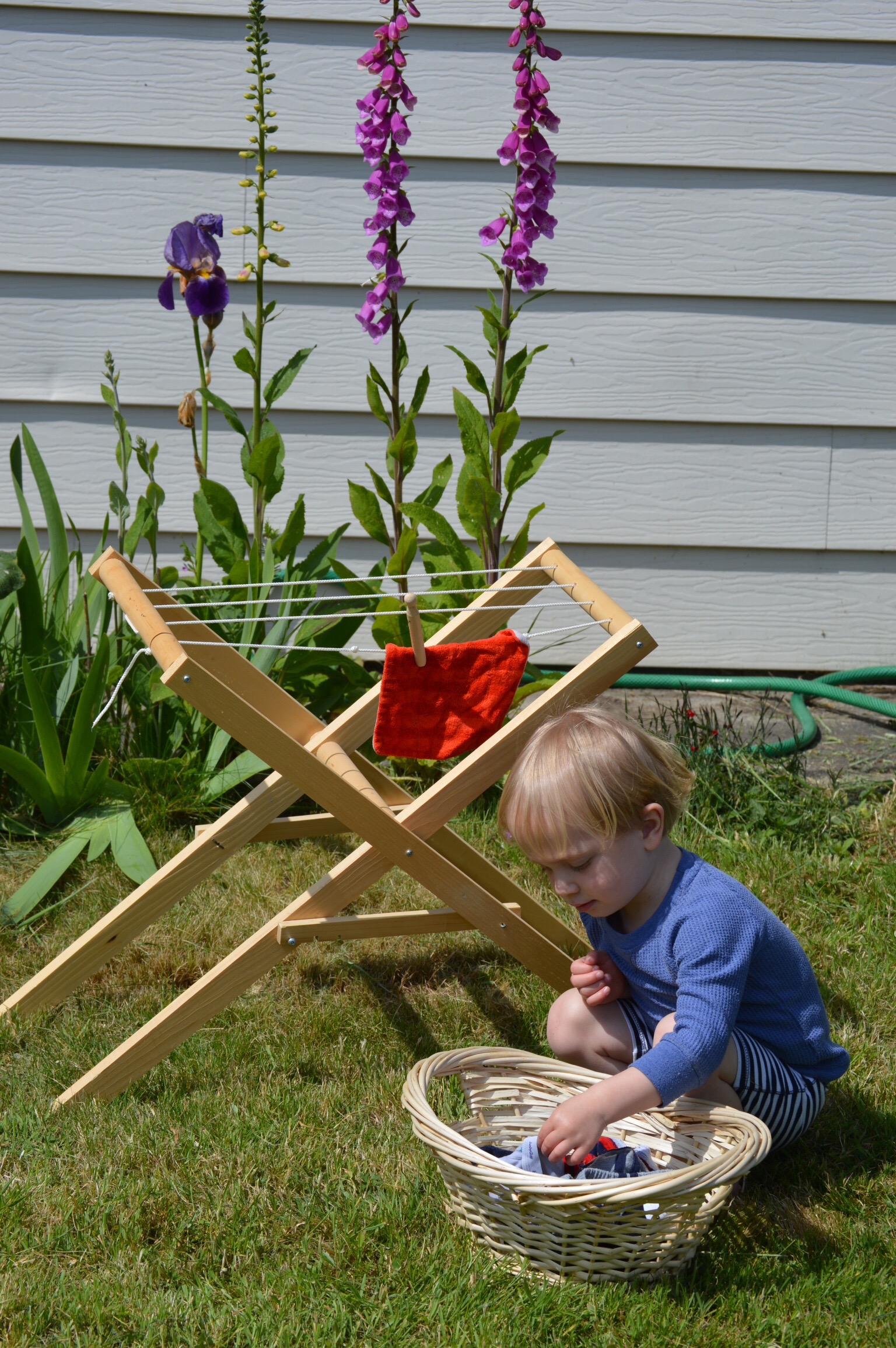
He first chooses to hang his own freshly washed laundry. A child sized basket and clothes horse make it easier to work with. He uses old fashion pegs because his hands aren’t strong enough to pinch the spring loaded ones. 

  
Preparing his snack of apple. He has been using this crinkle cutter knife since he was 18 months. Although he now has access to other types of small handled knives, he regularly chooses this one. 

  
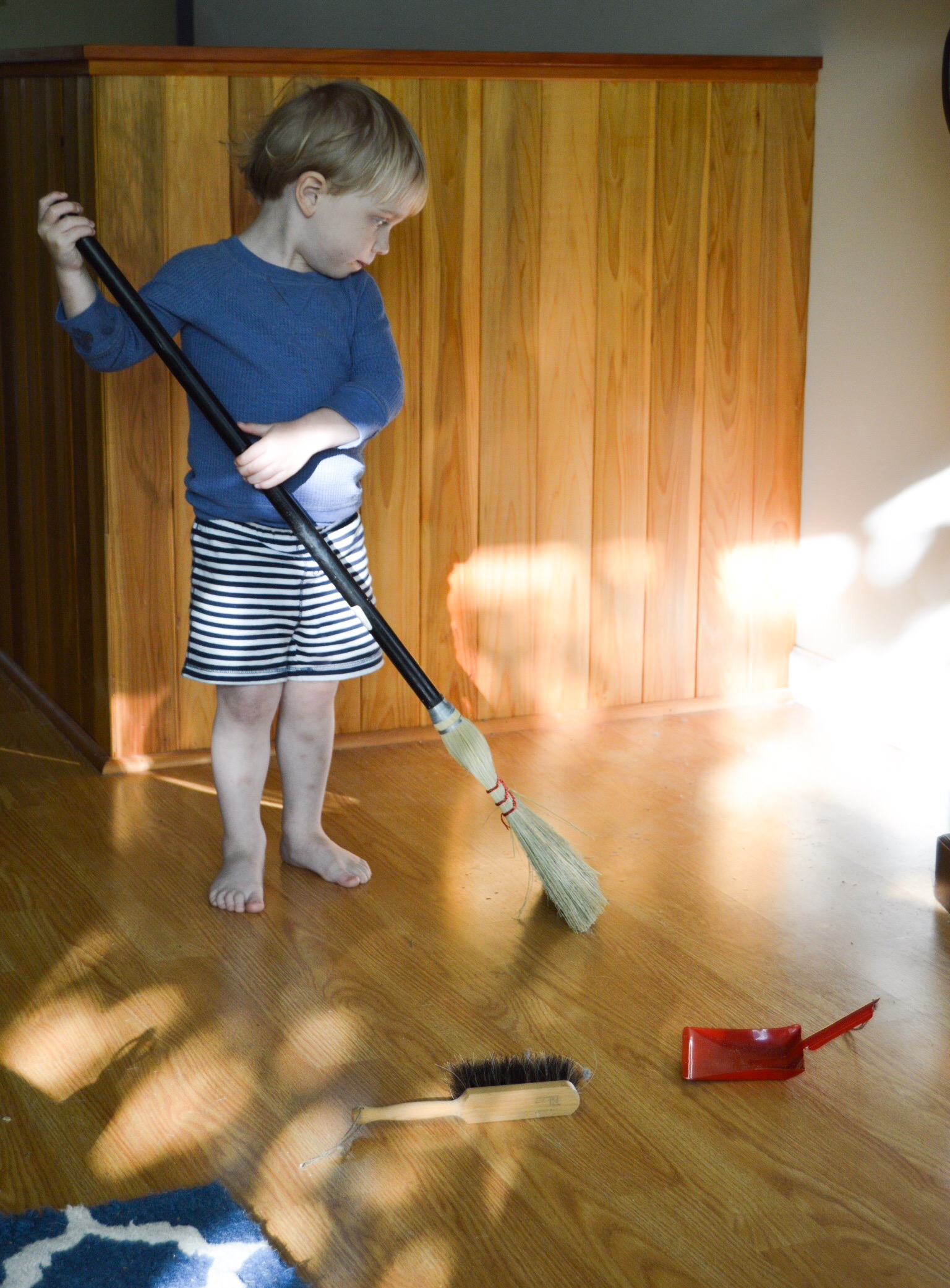
After lunch sweeping up is still a favourite for him. He has become very good at getting most if not all the dirt into his dustpan. 

  
Of all the activities he chooses, he loves gardening most of all. The wheelbarrow and tools were our Christmas gift to him last year. My Mother bought him the perfect sized “working gloves” as he calls them. 

These are only some of the Practical Life things he chooses for himself each day. He also washes his dishes, mops the floors and pretty much anything else he’s decided would be a good project. 

Of course these things don’t make up his whole day but I love seeing him carrying a tool on the way to something he’s got planned. 

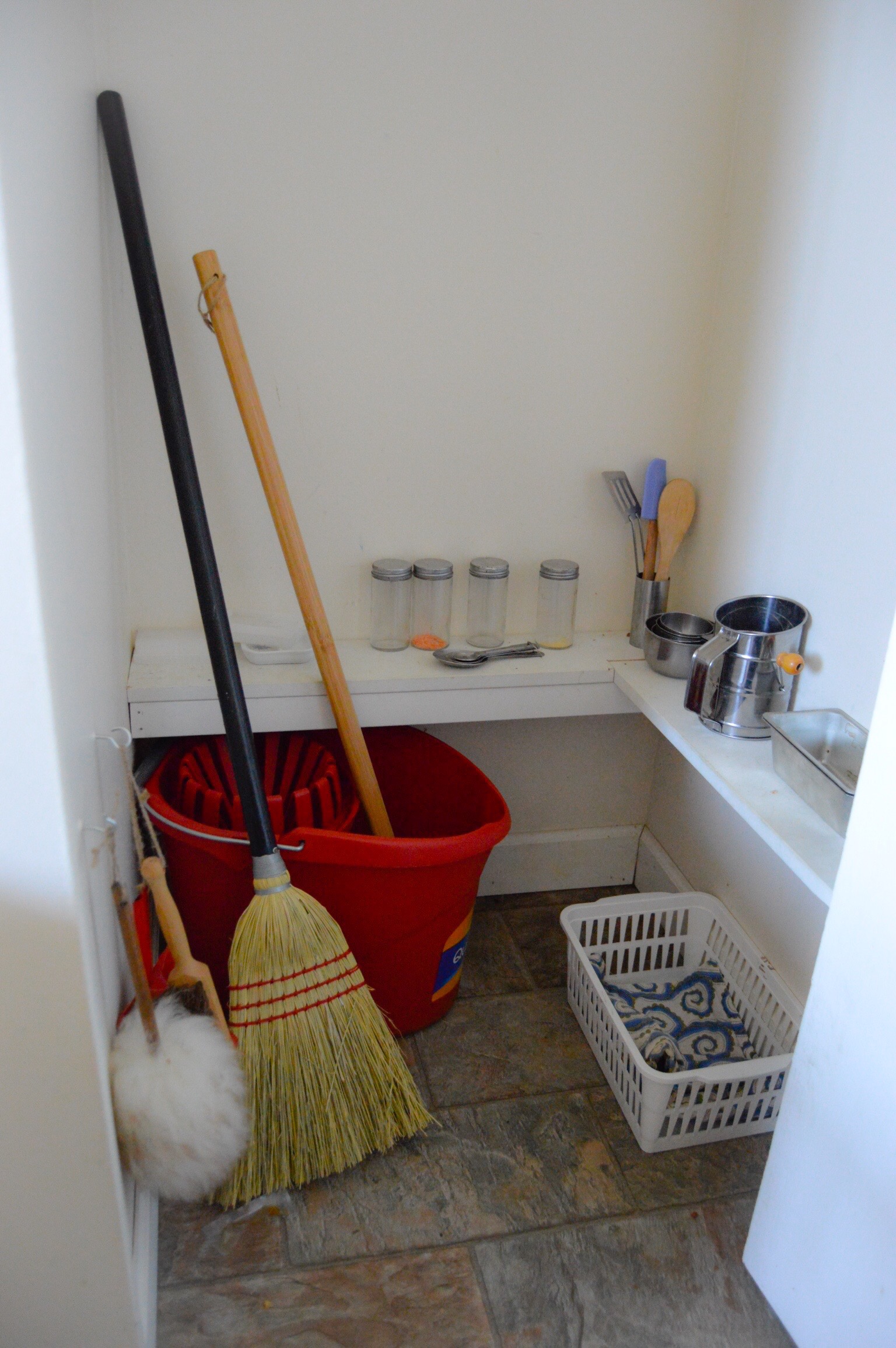
How did all this come to be? Well these types of activities first started as prepared shelf activities. The scooping of beans from bowl to bowl with a spoon is exactly the same wrist movement he now uses to transfer earth in the garden. His dustpan and brush started out as a shelf activity too. When he got better at it we removed the activity and placed the items in his pantry shown here. 

  
The key to all of it is that his tools are stored neatly in an accessible place for him and that we have never discouraged him from helping us complete chores. 

New to this? Give it a try on a small scale. You might not be blown away by how much your 2 year old loves to mop the kitchen floor, but I’ll bet you will be surprised by the fact that they will do a pretty good job.