Sunday Book Club: Best Summer Exploration Books

With Autumn and Back to School looming just around the corner, we are compelled to spend as much time as we can outside. 

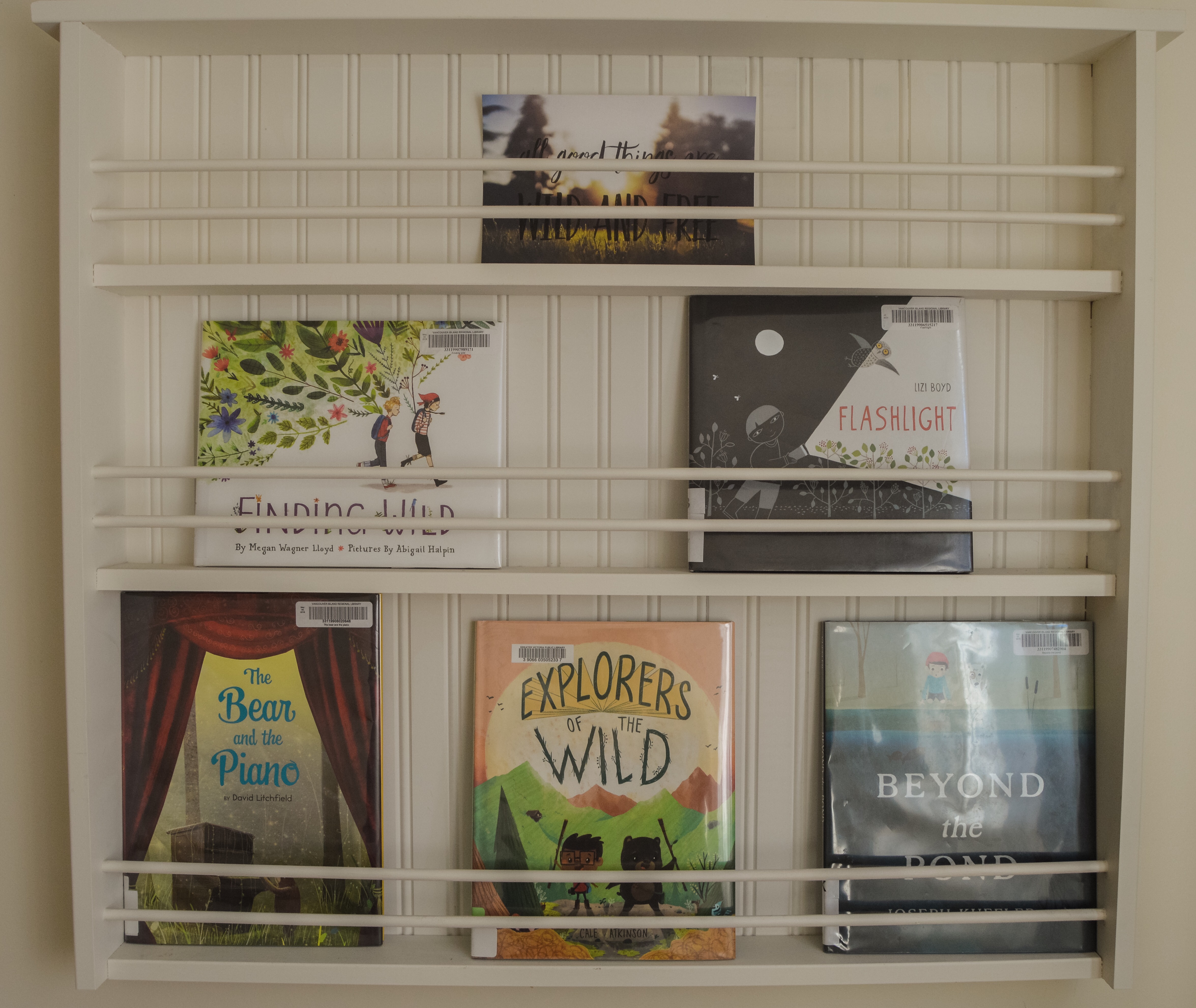
I love picture books that ask children to think outside the box. To be open minded, to try something new. All of these books do that. From finding wild in unexpected places, to bears trying new things. From finding an unlikely new friend to looking at the ordinary in an extraordinary way. 

These books invite a child to look at the world with awe and wonder. Two big, important words in the Montessori world. 

As an after note: “Explorers of the Wild” is written in the first person. Think hard about which of the Explorers it is. That is the genius of this book. We are more alike than different. 
Book info:

Summer Activities: Pond Exploration 

Quentin and I are finally off on holidays together. I had wanted to find a little nature project he might enjoy. 

We are lucky enough to have the Pacific on our doorstep, but we also have a few fresh water spots around. I found this fantastic nature study and wanted to try it with Quentin. August is about pond exploration. 


An inexpensive net, a clear plastic container for observation and a notepad for recording and you’re set. It’s easy for a young child to scoop the water, and examine their finds. 


Montessori always advocates for reality based experiences before abstract ones. Being able to go and actually see the ecosystem of the pond helped solidify concepts for him. 

He compares his findings to the reference book. 

It was a lovely way to spend a morning and as we carefully put the contents of the tub back, he made plans to return. 

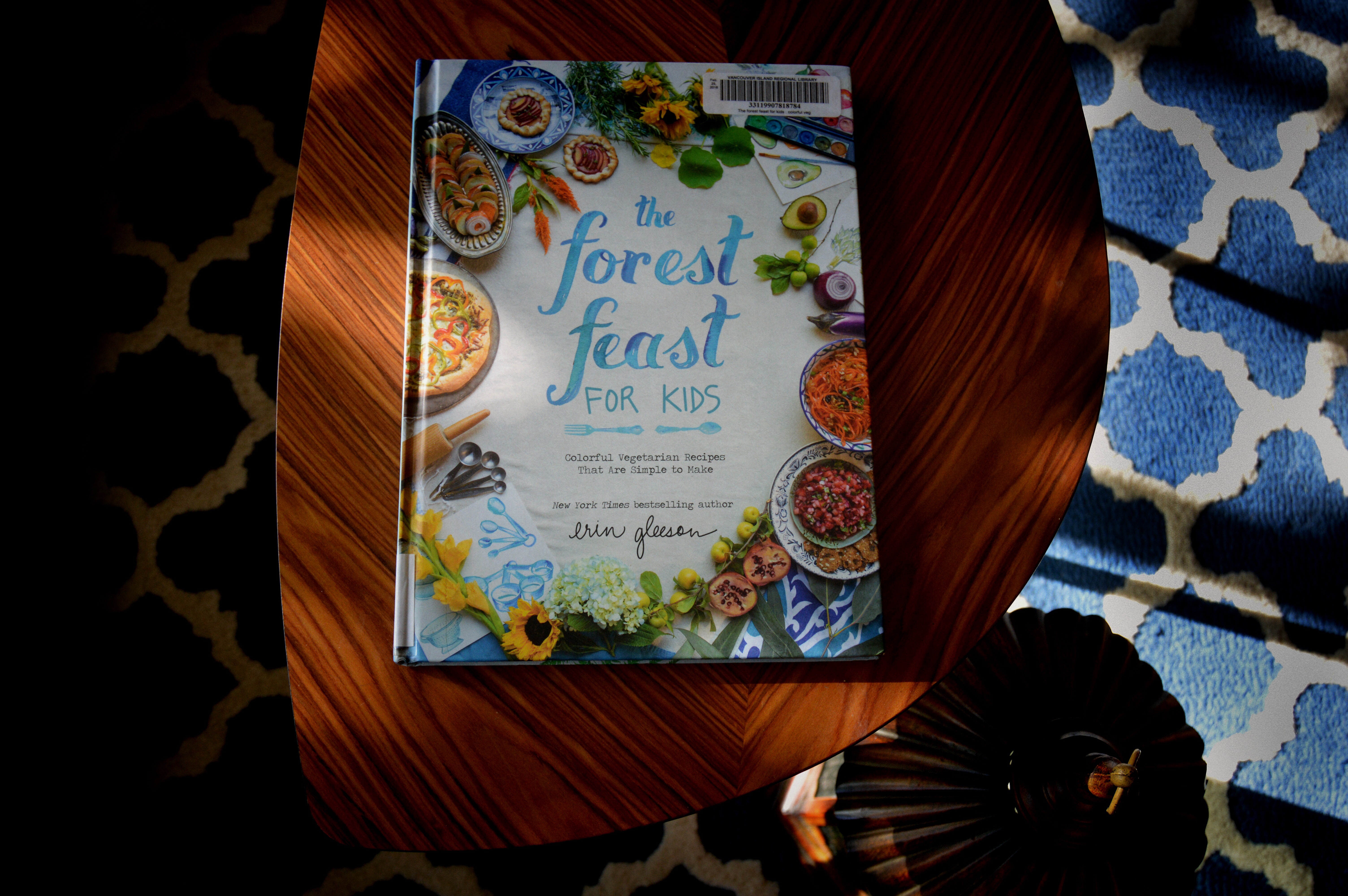
Sunday Book Club: The Forest Feast for Kids


“You are what you’re eating ate” – Chef Dan Barber

We love to give our our boys new experiences. We love to see them try new things and make something come together from nothing. 

There is no easier way to do that, than in the kitchen. 

We also believe the above quote to be completely true, and so whenever we can, we seek out delicious, real, whole foods, that fuel both their heads and their hearts. 

That is why, when I stumbled onto this cookbook for kids I fell in love with it before I ever actually held it. Before I ever turned the pages. 


The pages are beautiful and clearly laid out. 


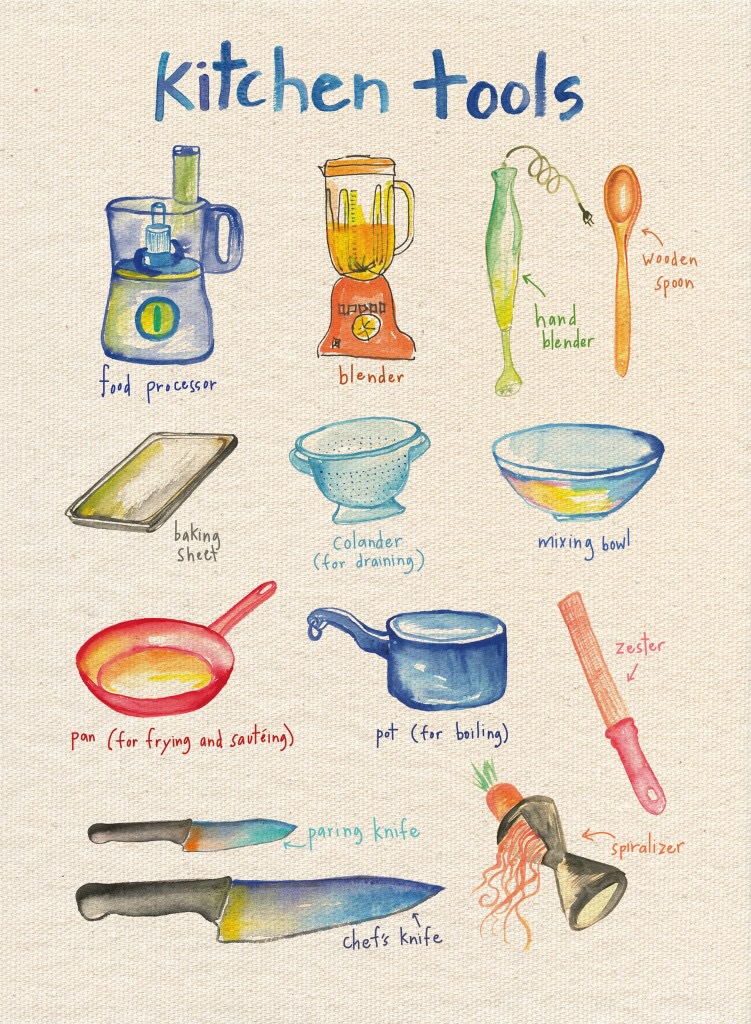
I love that there are some preliminary things to cover first. 


We don’t have a hand blender but found it wasn’t essential, although it would have been helpful. 


The recipes ranged from Quentin being able to do them completely independently, to us enjoying working together. All of them were simple, healthy foods that were delicious and easy to make. 

I can’t say enough good things. This is simply a must have book. 

Our Child Sized Kitchen: A history


Of all the questions I recieve about Montessori, our little kitchen gets more questions than anything else. So, I decided I’d better put all the details in one place.

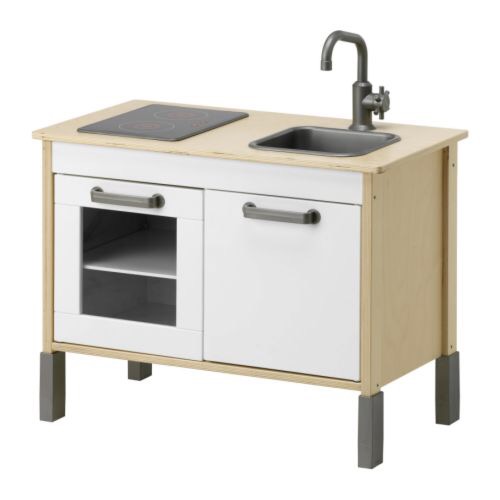
We bought this IKEA kitchen for Quentin for his first Christmas. An odd gift to give a premature 8 month old yes, but he had just started to wean, and we knew it would be perfect in the upcoming years. 

There is nothing more important in Montessori than respect for the child, and with that, there is no greater respect than the Prepared Environment. 

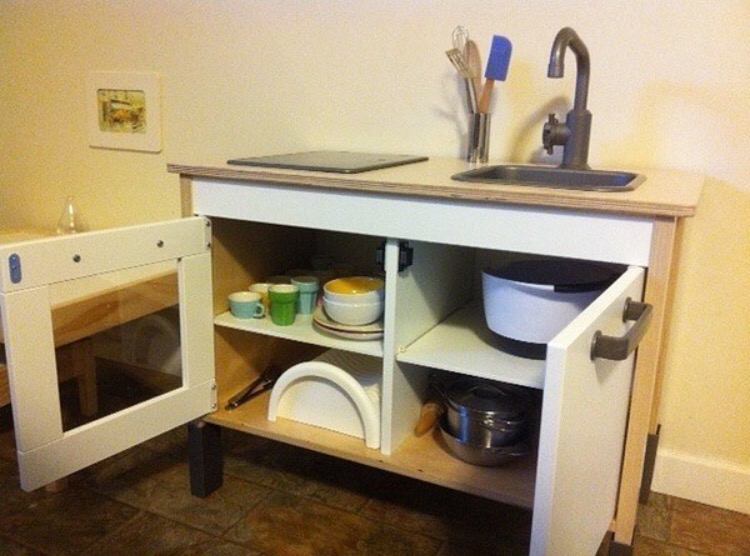
Somewhere that is their own. Somewhere they can keep their things independently, neatly and in a reachable space. 


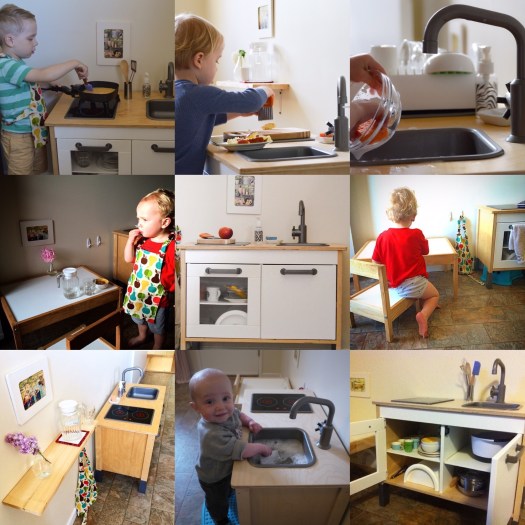
This picture was first featured here. It is our first set up of the kitchen. It houses Quentin’s tiny porcelain weaning glasses, first dishes and some fun yet practical kitchen tools that waited for the day he could use them. 

Just like when we set up his Care of Self area in the bathroom featured here, we set up the kitchen far earlier than he could use it. The Absorbent Mind of a child is always watching. A parent or teacher needs only to model the behaviour consistently for the child to start mimicking it on their own. He watched us remove his dishes, return them, clear his dirty ones to the tiny sink. And so it wasn’t long before he was doing it independently. 


Here he is just after turning one. At this point it was mostly exploration. But it quickly became more. 


I wrote a post here about our essential kitchen tools. Although we have added many more now, these 6 are still our important ones. These are the ones that get used everyday.  Providing your child with real working tools is critical in Montessori. This has never been a play kitchen. He slices, chops, pours, strains and peels real food. Some may become alarmed at the thought of small children using sharp knives and tools. However, it is extremely important children be given the trust from an early age. There must be many lessons on safety, concentration, and use. These don’t simply come because you tell your child to be careful and then hand over a knife. Modelling, many experiences and dialogue with a parent are needed. 
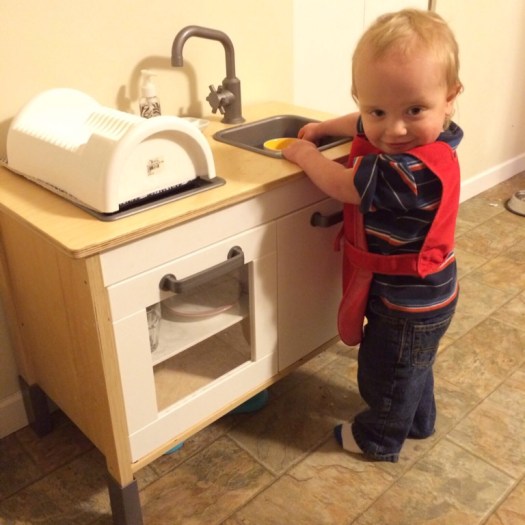

Here he is just before two years old washing his dishes. A small liquid soap dispenser and dish to hold a sponge (half the size) allowed him complete independence at an early age. We installed hooks beside the kitchen to keep his aprons within easy reach. Many of our kitchen accessories came from Montessori Services

We don’t have plumbing on this wall. The cost of installing plumbing was completely unreasonable when he will only use the kitchen for less than 7 or 8 years. We drilled a hole in the bottom of the plastic sink and he uses a flat plug. He fills the sink with warm water from a pitcher and when done, pulls the plug and it emptied into a bowl inside on the shelf at that time. It now drains out a little hose and into a bucket that he empties. 

These were all the first skills he required. His kitchen has evolved over time so that now, at four it includes cooking with heat. 


A small electric skillet allows him to cook a variety of things. Above a veggie burger for his lunch. Below he’s making scrambled eggs for our dinner. 


I’ll get the disclaimer out of the way now: He is capable, but he is still young. Whenever Quentin is using heat or a sharp blade, I always have both eyes and my full attention on him. His independence and his safety are my responsibility.

So, how does one replicate this? It’s like anything else you would put on your child’s Montessori shelves. This is a process of many steps. Start small, with one task at at time. If they don’t put away their own dishes now, they are not ready to cook independently. 

Modelling is key. Show them how to wash dishes, cut fruit, peel vegetables. This is joyful work to children. Not chores. 

Keep the environment based in reality. If you truly want them to do Practical Life kitchen work, the kitchen must be real. There must be a useable surface space. There must be a useable sink. 

There are so many play kitchens on the market. Brightly coloured ones with flashing lights or sounds, and media characters. These along with play food, toy utensils and the lack of water and heat will confuse the child ultimately setting them up for failure. 

If you truly want them to succeed, look for a kitchen that you would love to use. 

Please feel free to leave questions or comments and I will do my best to answer them. 

Grace and Courtesy: Playing Competitive board games

Do your children play board games? They seem a bit antiquated now I suppose. We love them though and we are constantly on the look out for new ones. 

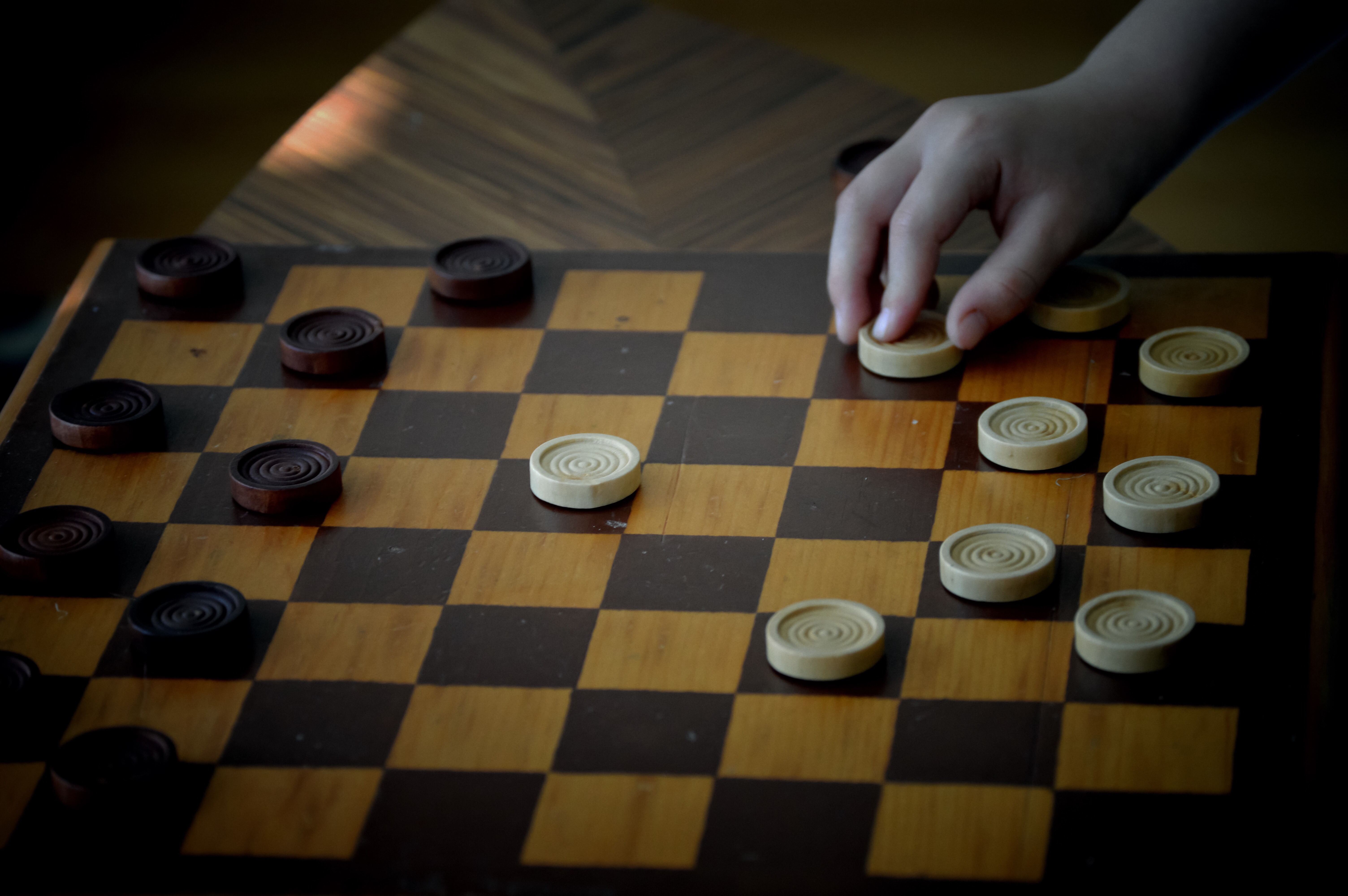
Quentin enjoys Bird Bingo (seen here), and Snakes and Ladders (seen here). Today I introduced Checkers because he’s been asking how to play. 


The board was made by my father for me when I was a child. Old and worn it was a perfect match to the newly oiled wooden checkers that arrived in the mail today. 
There are so many valuable lessons to be learned from competitive games. Concentration, patience, critical thinking. All the things the latest childhood research is telling us we need to teach more of in school. 

I think there is something much more important. 


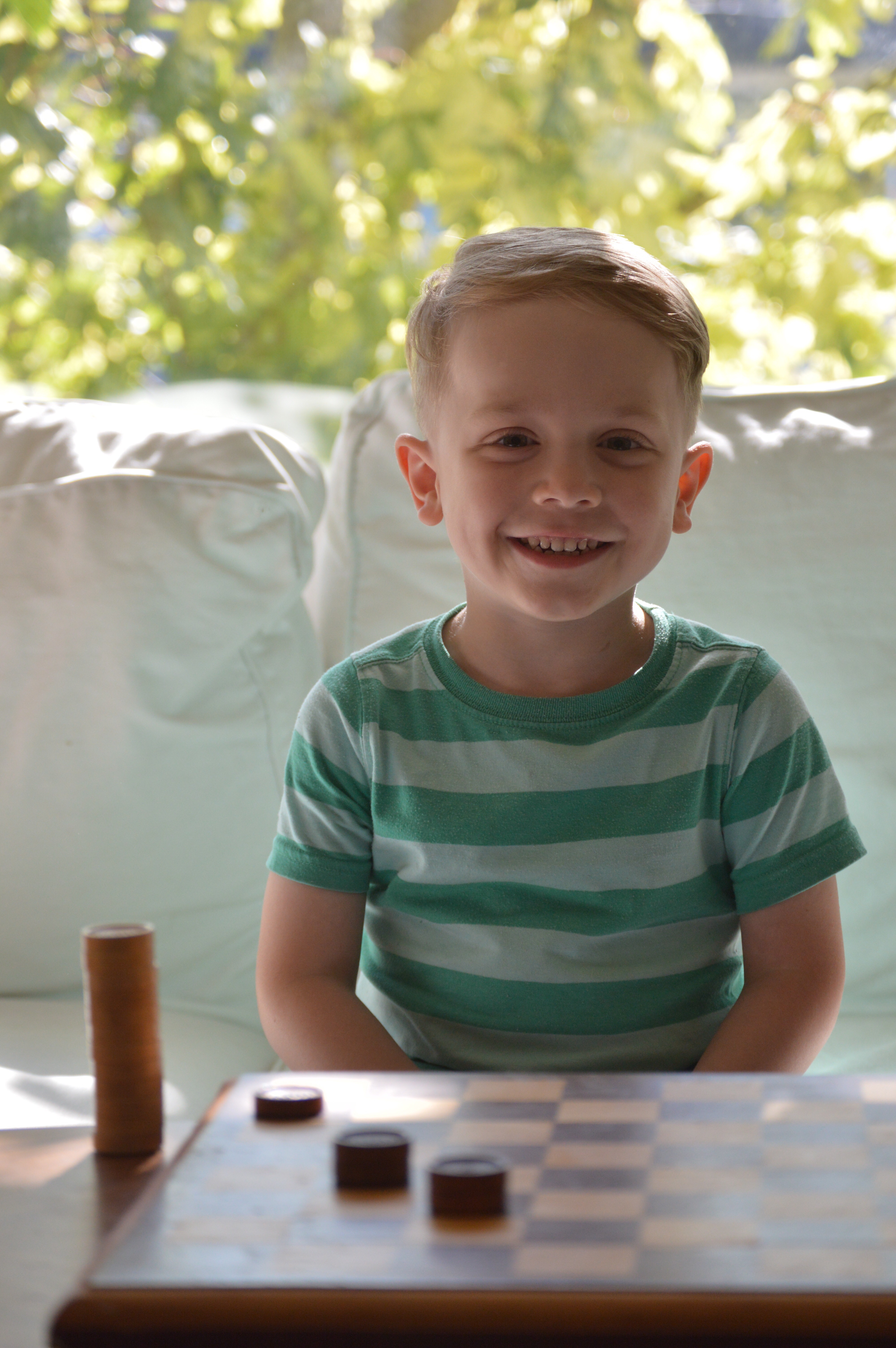
“I won Mama.” A smile beginning on his lips. Then, a hand reaches across the table. 
“Good game Mama. You tried hard.” A tiny hand shakes mine before sitting back to survey his achievement. 

“Wanna play again?”

Sunday Book Club: The introduction of chapter books

I don’t think there is anything more lovely in all the world then laying under a tree, submersed in a book. 

My childhood was almost entirely made up of reading while laying in a field, sitting in a tree or hiding under warm blankets.

We filled Anthony’s childhood bookshelf with the classics. Roald Dahl, Jules Verne, J.M Barrie, and I have fond memories sitting on the edge of his bed sharing them before he drifted off. 


Now it’s Quentin’s turn. We just purchased this vintage copy of “The Jungle Books” for him. It’s pages are screaming to be breathed in. That “old book” smell gets me every time. 

We have read to Quentin everyday since before he was born. We have a huge love of good quality picture books, but there’s always a pause when it comes to chapter books. Is the child ready? Will it hold their attention? 

Here’s what we did. 

Follow the Child

If your child finds it hard to sit through a picture book story, it’s not time for chapter books yet. If they sit through two or three at a time, they are most likely ready.
Start slowly

We moved to longer stories like these first. Stories that had a few pictures, but mostly words on every page. We started at night and replaced the picture book that we read as part of our nighttime routine. 
Keep your child’s interests and age in mind

If your child has a phobia of water “20,000 Leagues Under the Sea” might not be a good starting point. If your child loves horses “Black Beauty” might not be good either because there is a death of a horse in it. Think about the books you read as a child. They may be perfect for you to pass down to your own child. 

Try a few different books with your child to find one that works well. We leave them out, where Quentin can see them. The covers spark his interest and keep him engaged with the idea. Sometimes it’s only a few pages we get through, sometimes multiple chapters. We don’t have a set limit of reading time or pages a day. This helps keep everyone enjoying the story. 

Research library lists or book lists online. There is so much information out there and so many great books waiting to be picked up by the next generation. 

Do you have a favourite classic? 

Leave a message in the comments. We are always on the look out for great books. 

Sunday Book Club: A Kid’s Herb Book

The middle of the summer has found us spending lots of time outside. We have lots of great cookbooks for the boys, but what we were lacking was a book we could really get into about herbs and plant uses around the home. 

From fresh basil on pizza, to lavender mist on pillows before we go to sleep, we use plants a lot. So I was really excited when I came across this book. 


A Kid’s Herb Book for children of all ages by Lesley Tierra
Recipes that kids can help make range from Chamomile Tea for calming children, to Elderberry Syrup to relieve colds. We really enjoyed learning about the different uses for things growing right outside in our own backyard. 

Summer is such a great time to get out and explore things. To try something different. This is definitely a book for anyone looking to try some new uses for the herbs they find in their area. Either at the grocery store or your own back yard. 

Sunday Book Club: Summer on the West Coast

It feels very good to be back in this space. I have missed being here. 


As the days warm here we are seeking even more time outside. We picked up two excellent books this week that have really complimented our need to be out in Nature. 


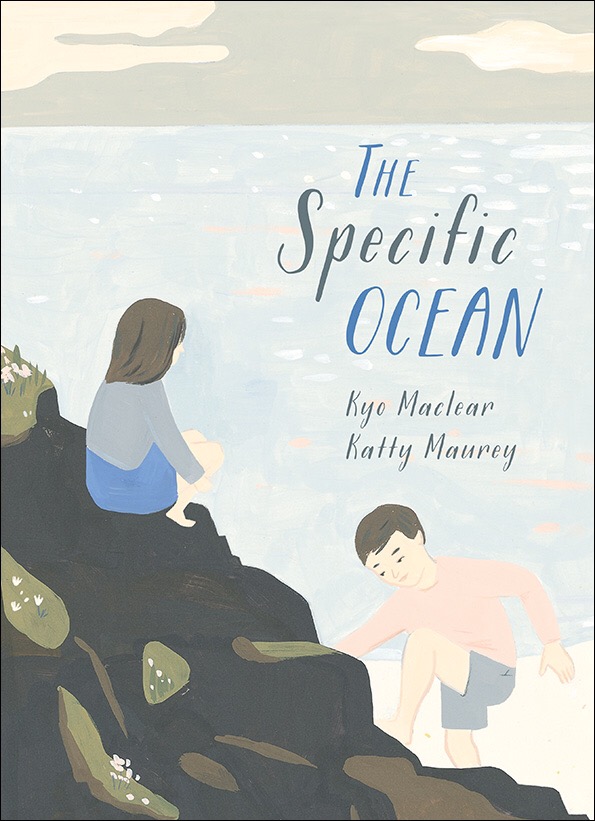
The Specific Ocean by Kyo Maclear 

A girl is unhappy about leaving her friends behind to travel with her family to the ocean. However once she gets there, her prospective slowly changes and she allows herself to be drawn in by the sensorial  beauty of the Pacific. This book is full of rich, flowing vocabulary and it will challenge you to explore this type of vocabulary with your own child the next time you are at the beach, the park, or anywhere for that matter. 


West Coast Wild: A Nature Alphabet by Deborah Hodge 

This is the perfect alphabet book for anyone living in the Pacific Northwest, or wanting to learn about it. We just so happen to fall into both categories. An entire alphabet book dedicated to the wildlife and vegetation we see every day but would like to know more about. 

If you have any suggestions for excellent, Montessori friendly books let us know. Have a great week. 

Sunday Book Club: A child’s daily rhythm


There are so many beautiful books out there. One’s with an important moral message or peaceful story. One’s for learning new facts and amazing science ones. But the ones Quentin will usually pick for himself are none of those. The ones he picks for himself are most often simple stories about family rhythms. 


Fiction books that focus on the real world day to day are often left off recommended book lists. However these are some of the most important books to read with children. They provide a glimpse into another family’s world (albeit a fictional one) and give the child a chance to relate to what is happening in the story. 

Reading books about family rhythms can help a child process their own need for order in their day. This builds their trust of the world and aids in their natural development. 

The above books are our absolute favourites and are all set with the child at the centre of the story. 

  1. Sounds Around Town follows a toddler and his Mother from morning to night. This was one of Quentin’s first books. I absolutely love the vocabulary it introduces to a young child. 
  2.  Alfie Gets in first is the first in the long beloved series by Shirley Hughes. We love every single one. This one begins with Alfie accidentally locking himself in the house with Mom and baby sister stuck outside.
  3. What Happens on Wednesdays is Quentin’s current favourite. It follows a preschooler through her day beginning when she wakes up and maps her day not in hours but in events such as getting the newspaper with Dad, going to preschool, having a nap and going to the pool. 
  4. Journey Home from Grandpas “The yellow car drives down the long and bumpy road, long and bumpy road…” We read this every single day between 12 months and 2. I couldn’t get the words out of my head if I tried. It is an excellent vocabulary builder but the rhythm at which the story flows and the alliteration will grab young children and keep it a favourite. Quentin still asks for it at least once a week. 
  5. Moving Molly was my favourite as a child. Shirley Hughes has something magically simple about her art. The story of a small girl who moves with her family, and all that she experiences including sleeping in a new room and finding something special at the end of her backyard one day. I’ve ordered it for Quentin. I hope he loves it as much as I did. 

Montessori focuses on reality based themes. Reading to children about the daily lives of other kids their age opens up their world, and helps them affirm that many others experience the things that make up their own days. 

Quentin turns 4


I can remember Anthony being four. It was such a great age. There is so much we are looking toward to with Quentin, and so much we are grateful for already. Some days I still wonder how it’s possible that he’s here at all. That all this isn’t just some lovely dream I will soon wake up from. 
A Montessori birthday is a celebration of the child. A time to focus on the child’s growth and life so far. We chose as we do every year to keep it simple with some hand made gifts from talented artists, and a quiet day. 

I scoured the web looking for a felted play mat that was “just right”. I finally stumbled onto this one. It is gorgeous, finely detailed, soft Austrailian wool and exactly what I was looking for. The shipping was reasonable and made it here fast. It will provide years of enjoyment and is definitely an heirloom piece. Some new Schleich forest animals complete the set. 

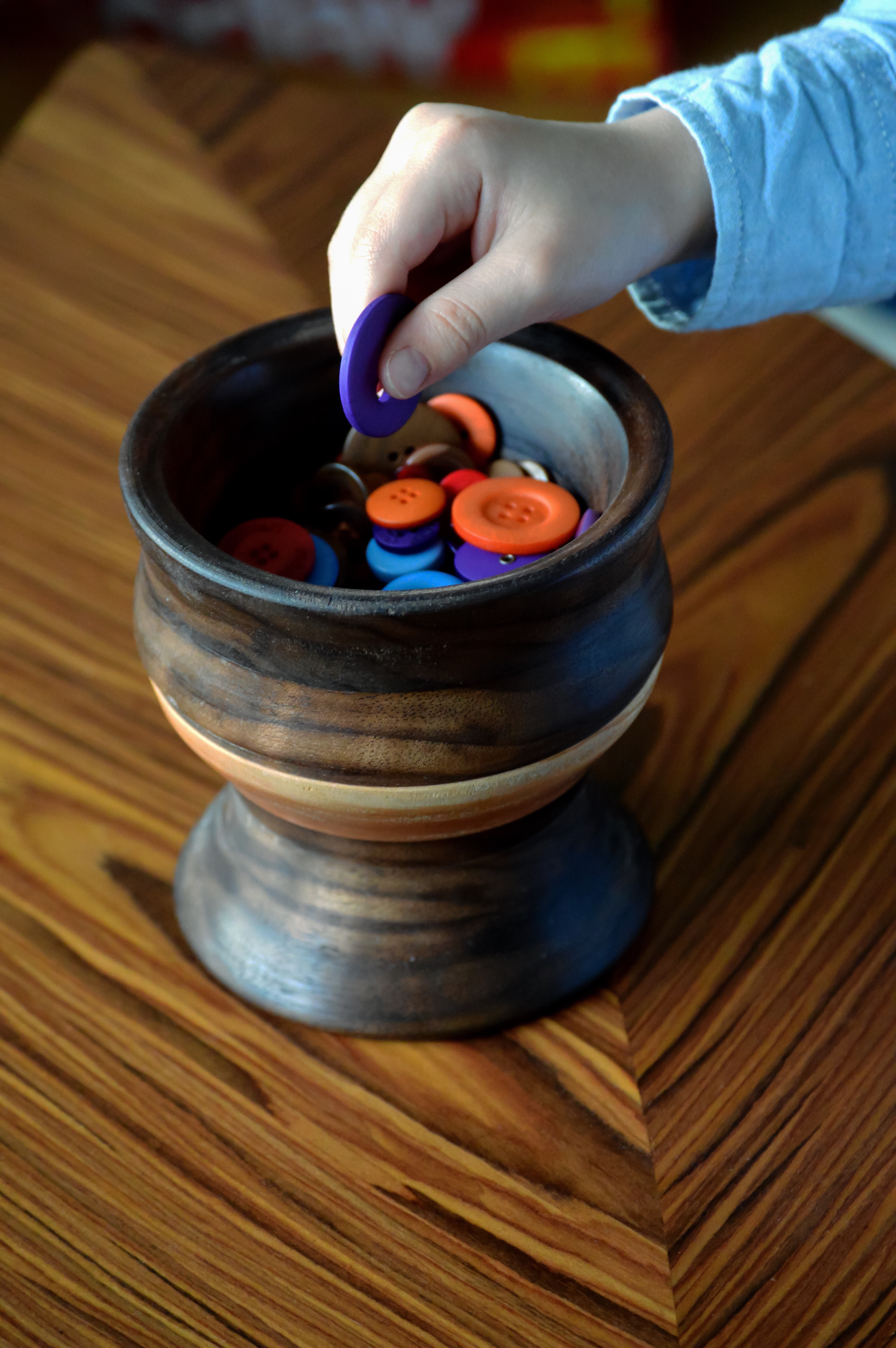
Quentin loves collecting things. Most often it is buttons. Anthony carved him a wooden bowl to store his treasures. Their relationship is a precious one. Anthony had kept the bowl a secret. It is beautiful. I still can’t believe he made it. 


We rounded out the day with a trip to his favourite bookstore and quiet moments. We are so busy. These quiet times are just a gift. 

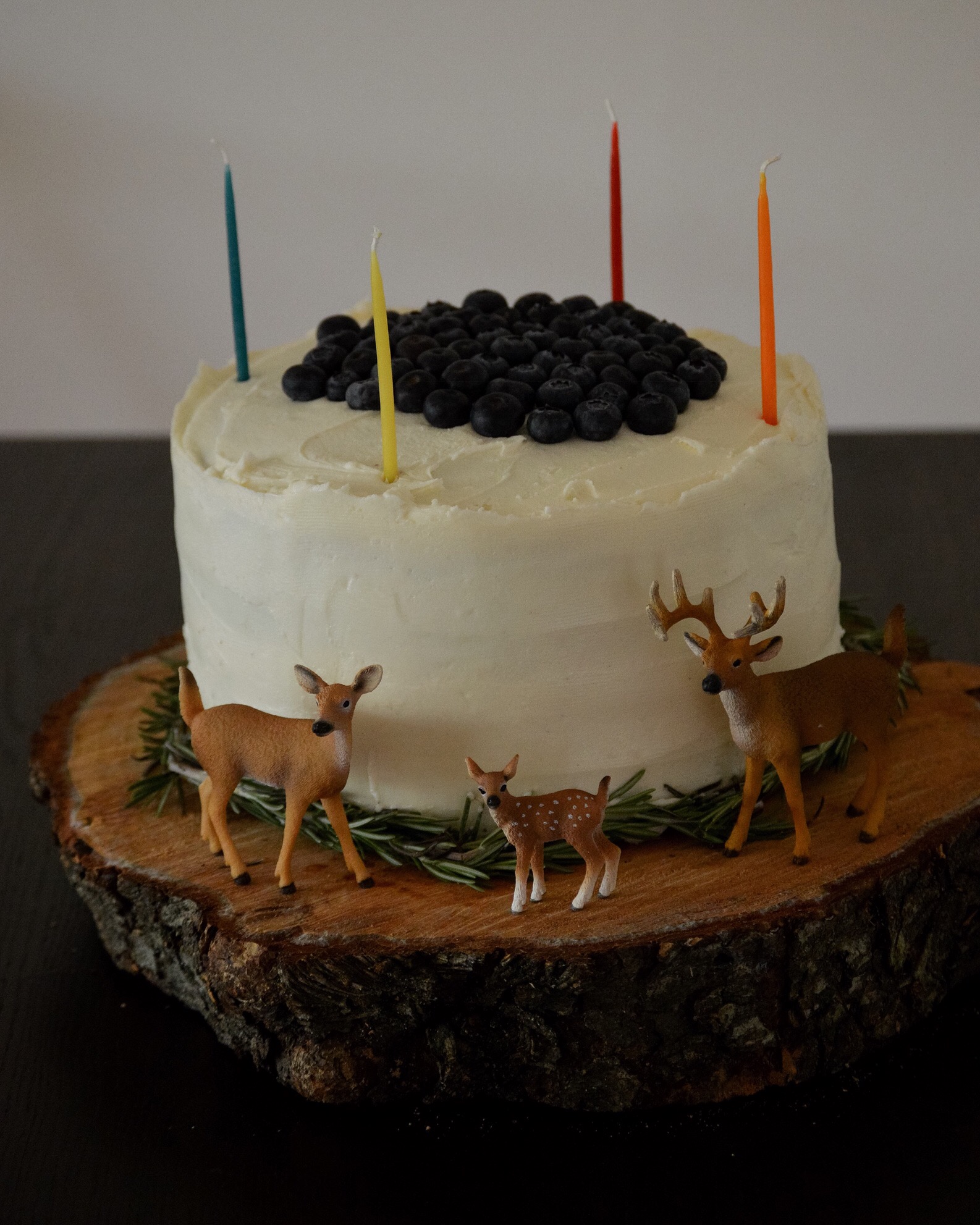
Being mindful of everything that has led up to these four small candles on a cake is important. It’s important not to forget those things. It helps us be present in the moment and look forward to what this year will bring. 
Stay tuned as there is an upcoming post about our Montessori home spaces at four.