Sunday Book Club: Our favourite books Birth – 2.5 years old

Language is the first gift we gift our children. We speak and sing and read to our children at a surprisingly early age in Montessori: At eighteen weeks after conception when an unborn child begins to hear. 

Our list of books for children under two may surprise you, but if you have been following along for awhile it likely won’t. 

Here’s the possible surprise. I don’t read infant books to infants. In fact I actually really detest them. Yes, there are certainly some nice ones out there. Global Babies seems to be popular especially within the Montessori Social Media world, but it’s stereotypical dressing of children from different cultures is disappointing. Not all children from Asia or Africa or Europe or any of the continents dress in traditional garments. The text is also fairly lacking. 

So what do we do instead? We read language rich books. Right from the beginning. 

Here are our favourites. 

Sounds Around Town was one of Quentin’s very first books. It is full of such rich language, a multicultural setting without specifically touching on it and interesting artwork. 
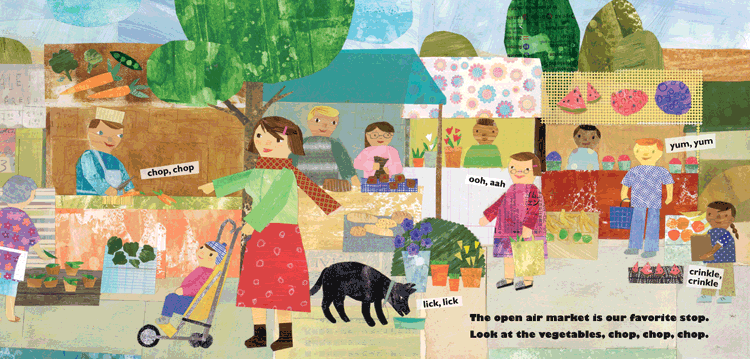

Red Rubber Boot Day was given to us 15 years ago for our oldest son’s second birthday. He loved it so much because it features a boy doing similar things he liked to do. The artwork is stunning and so is the language 


I am leaf. I am fish. I swim by Mr. Humphrey who lives next door, standing in his yard with no shoes on. And Mr. Humphrey says to me, “It’s a fine thing, feeling wet grass, on bare feet, in green rain.” 

Just phenomenal. 

Journey Home from Grandpa’s was another first book of Quentin’s. We must have read this over 100 times. Again the repetitive text is not dull like other toddler focused books. It is instead richly descriptive. 


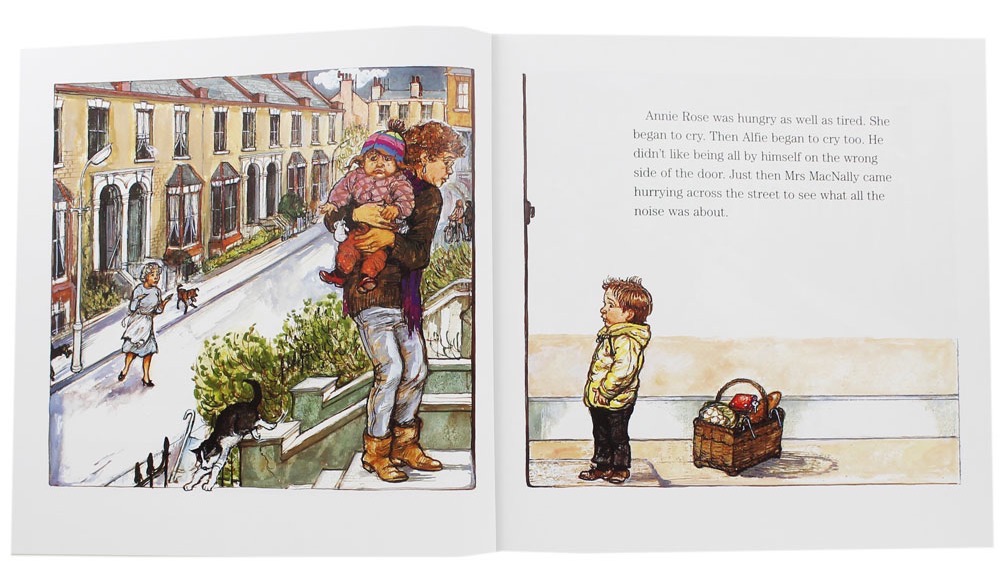
Alfie Gets in First is only one of the most amazing series of books by Shirley Hughes. It is our absolute favourite Montessori compatible children’s book series for 0-6. 
When Mama Comes Home Tonight was another of Anthony’s favourites. There aren’t many great books that speak to a Mother’s role outside the home and what they do when they get home. We love the kind and loving images. 

Good Night Moon needs no introduction. It has been a favourite since 1947. It also has soft and flowing text that is perfect for a toddler bedtime or rocking an infant while feeding them. 

Books express so much about who we are and what we hold dear. When reading with a child at any age, choose a quiet time of the day, a comfortable spot in your home and relax. 

Start early. A child begins learning language while still in the womb, but it is also never too late.  Finding time each day to share a book with a child will have lasting neurological and social effects.  Not only on the child but also the adult. 

Sunday Book Club: Outside your window: A first book of nature

We love nature themed books and this one is absolutely stunning. 


Broken down into the four seasons, it’s the artwork that first drew me in. Stunning collages accompany songs, stories, recipes and so much more. 


Each pages collage is beautiful and perfectly captures the mood of th season it describes. 


With so many ideas to try and stories to share it is sure to be a favourite for years to come. 

Sunday Book Club: This is how we do it

Peace Education is the centre of the Montessori pedagogy. It is essentially the heart of it. 

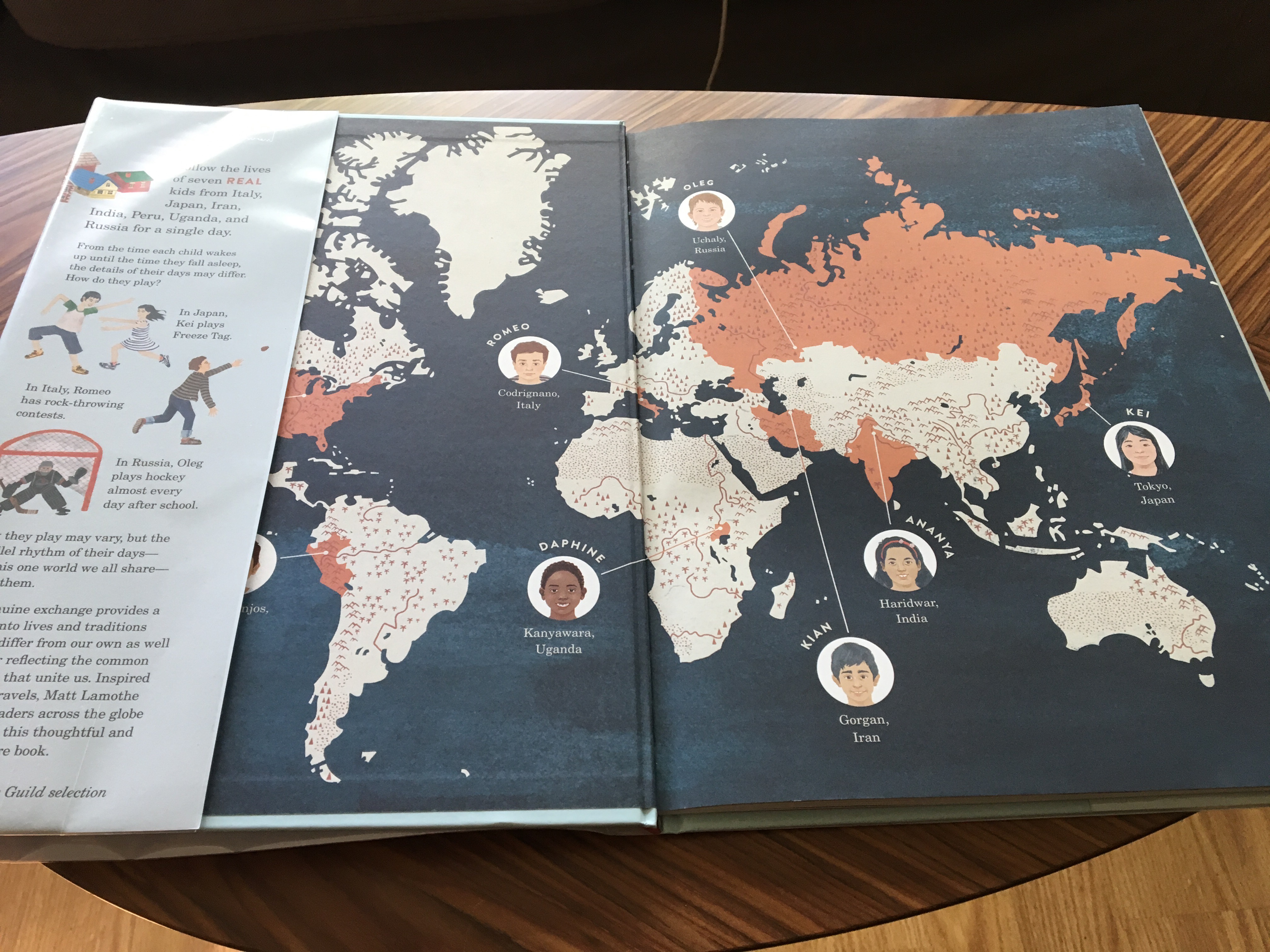
This week’s book is absolutely fantastic for teaching that although we are all slightly different, for the most part we are all very much the same. 
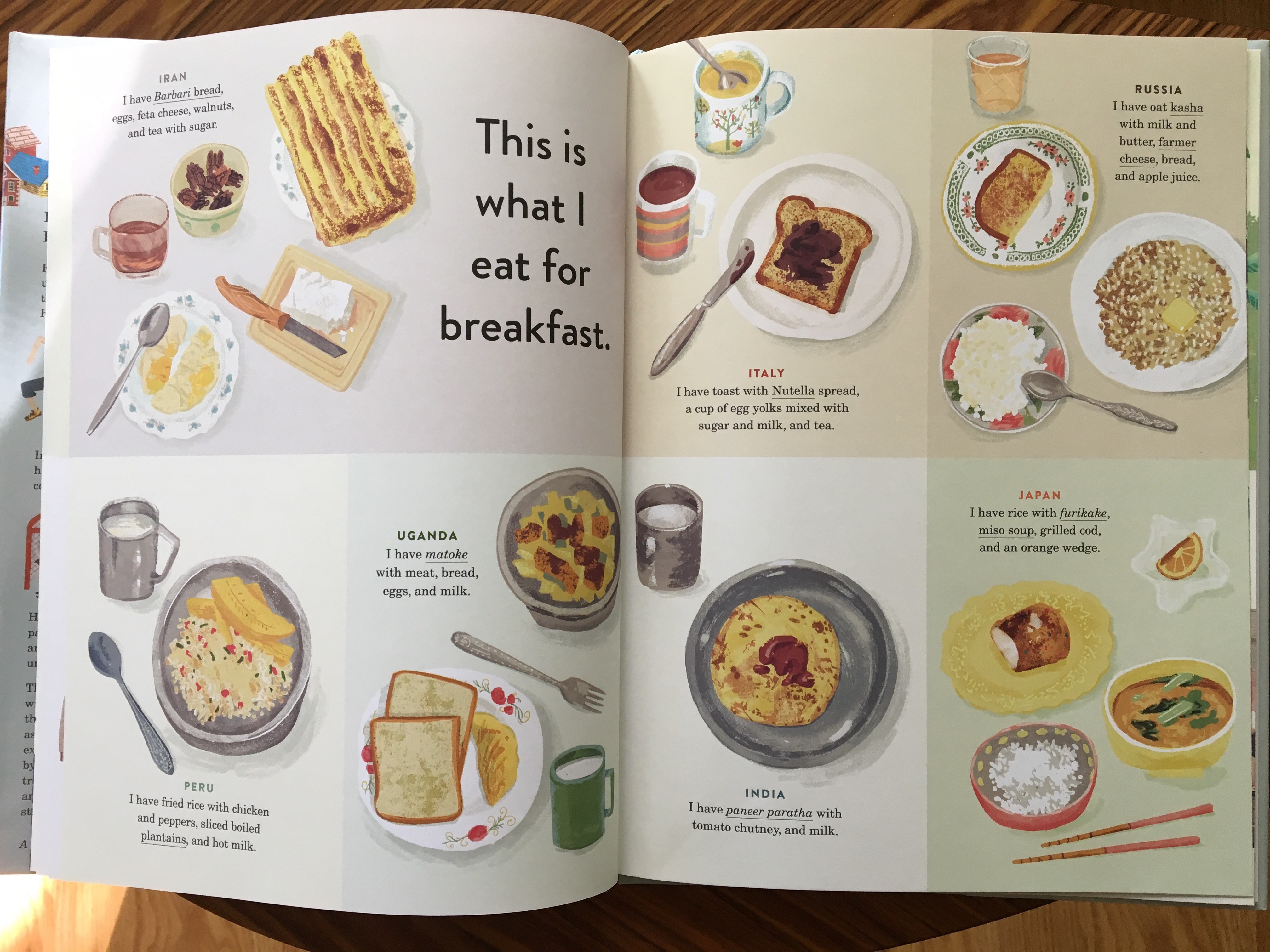
This book is excellent because it has what I struggle to find: realistic illustrations of children all over the world without the stereotypes of dress or religion found in other books. It also doesn’t contain children from North America which so many books focus on. 


The pages are beautiful, interesting and best of all, offer opportunities for vocabulary building and further discussion. The story follows each child from breakfast, through the day and the reader and child can easily make connections between what the person in the book is doing with what they do each day. 

Peace Education seems to be all the more important in today’s world. Finding ways to connect with others even if you aren’t exactly the same is a common goal we all can share. 

May Nature Study: Butterflies and other Insects 

The warmer weather has finally arrived and so we spent the majority of our May Nature Study outside. 

Studying insects is one of the easiest topics to do because they are accessible on almost every continent, there is a large variety and children are most often fascinated by them. 


We began our study by exploring different species of butterfly with the help of these beautiful cards from Alice Cantrell of Twig and Moth. We use so many of her materials because they are well priced, printable at home and above all beautiful. 


We enjoyed some old favourites on the topic. This book is fantastic. The art style and amount of information are perfectly paired. 


We also enjoy this book and we recommend all of this series. It is our favourite nature series for the 3-6 age group. 


Lastly we decided to take a field trip to our local butterfly sanctuary. It is so beautiful there with so many different species of butterflies and moths. At just turned 5 Quentin now does really well on learning outings. This will serve him well as he progresses into the Second Plane of Development. 


Montessori asks us to “Follow the Child” and this simply couldn’t be more applicable than when out and about. We travel at his pace, and stop when he wants to. This gives him an opportunity to really take in what he is seeing, to ask questions or to return to something he wants to know more about. 


We both agreed that a butterfly sanctuary is a gorgeous spot to take photos. 
If you have been looking to start a nature study, insects is a great place to start. Books from the library, and simply stepping outside are all you need.  

April Nature Study: Bees and Wildflowers

April’s Nature Study was a favourite of mine. We love to spend time in our gardens and whether your space is a farm or a window box you can enjoy the wonders a packet of wildflower seeds brings. 
Here’s some of the things we covered this month. 


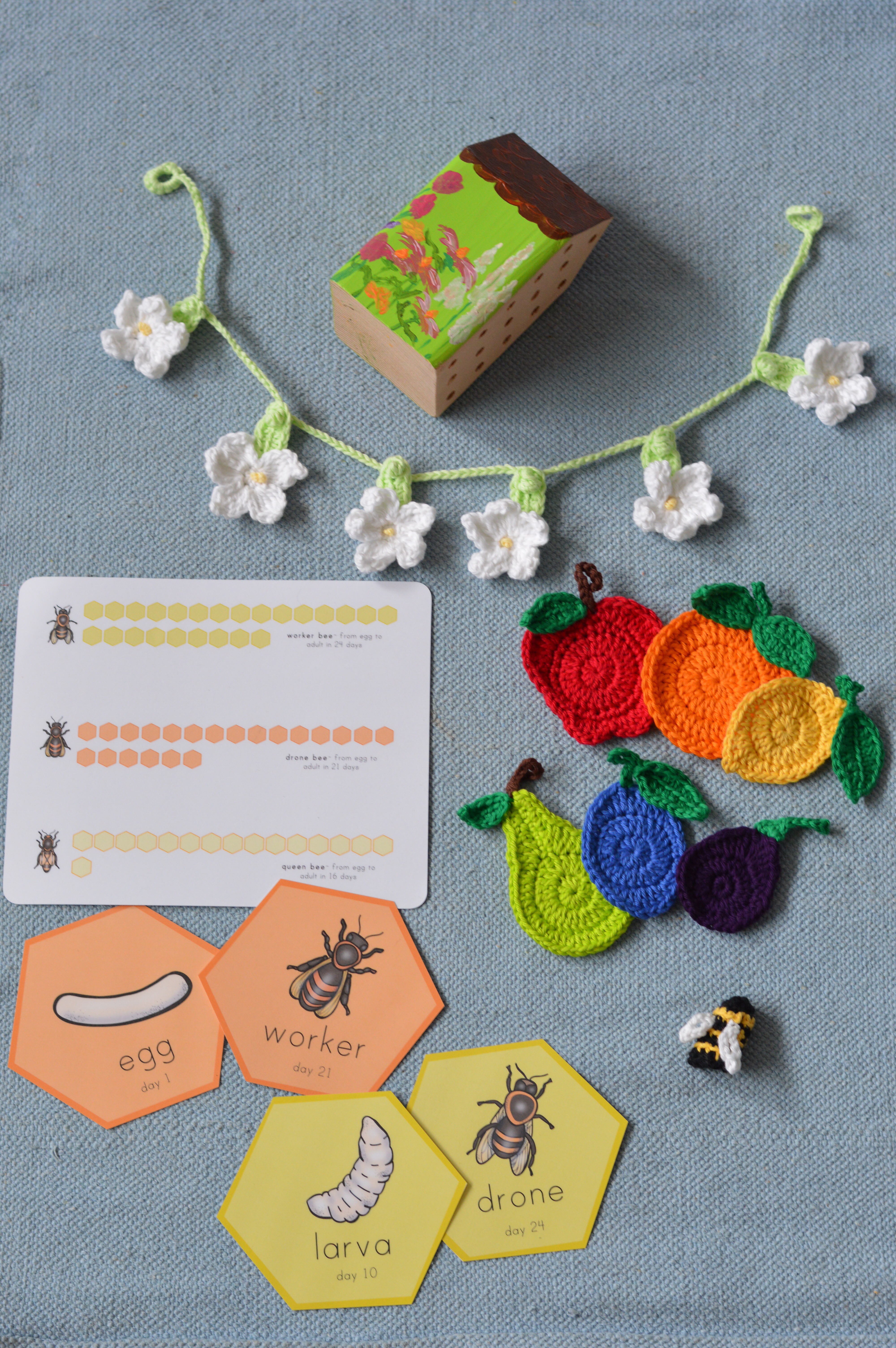
We participated in a gorgeous materials swap that brought us things that look deeper into the life cycle of a honey bee and the role of bees in fruit production. 


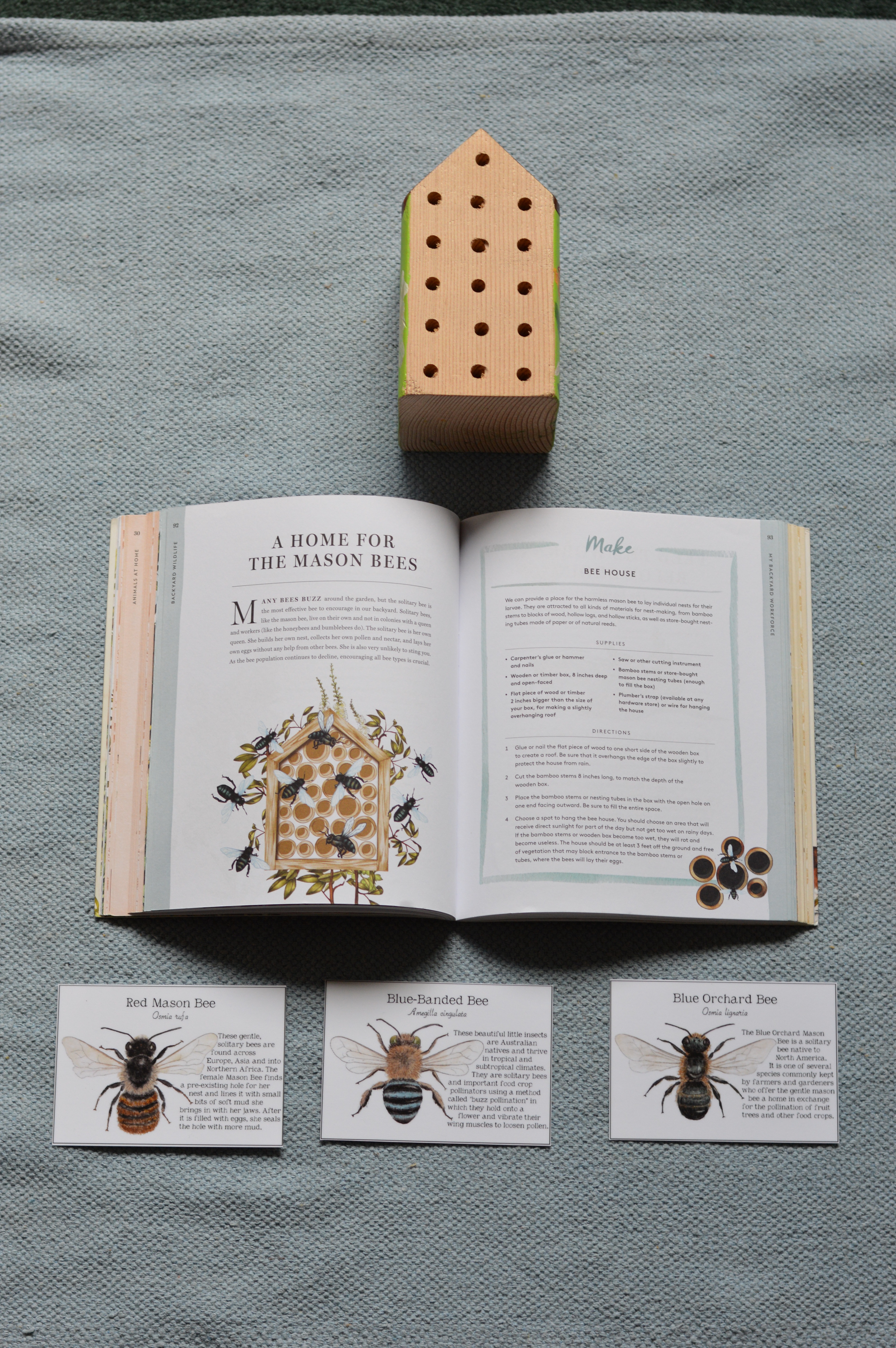
We set up a mason bee house to encourage solitary bees to come to our outdoor spaces. Solitary bees don’t sting or swarm but they do pollinate. Perfect for any space. We also enjoyed learning about different bee species from around the world with the beautiful cards from Twig and Moth


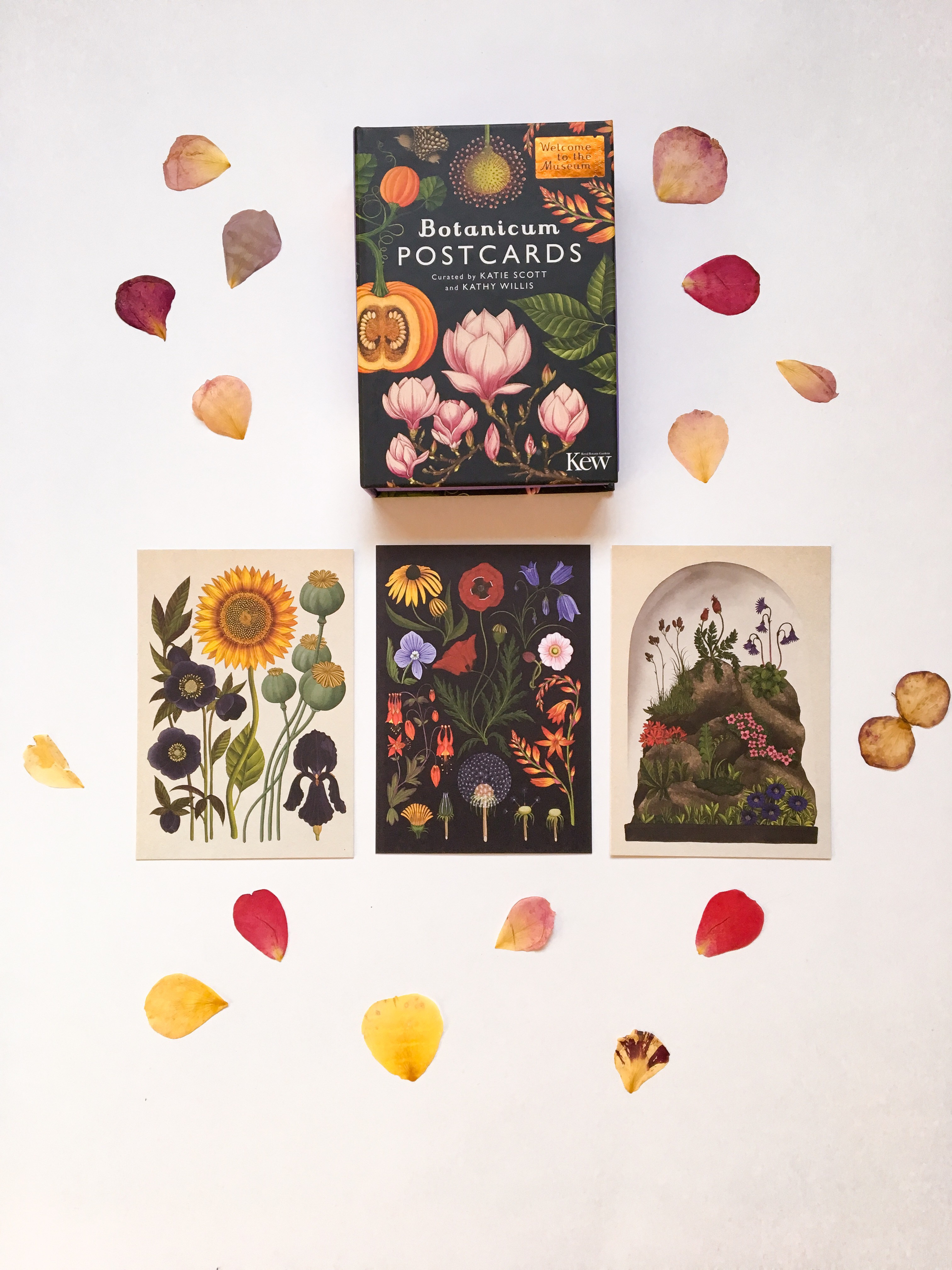
We dried flower petals and used our new Botanicum Postcards to explore other plant species. 


And of course we went outside. Spring is ending where we live but there are still some flowers around if you know where to look. 

This is one of the easiest Nature Studies to do. A packet of wildflower seeds is inexpensive and can be found at your local garden centre, some hardware stores and even big box stores. They require little care and will usually grow without any human care if you scatter them in the right place. Try sprinkling them into a window box and leave a small spray bottle near by for eager little hands. 

Our Montessori Life: Our workspace at 5 years old. 

Every year, as Quentin’s birthday draws near, we pause to take stock of our space. Specifically our Montessori work space. This year as we observed him, it became quickly clear that Quentin is passing into the Second Plane of Development. It also became clear that his space is quickly becoming obsolete. 

It’s hard to believe we have come this far. 


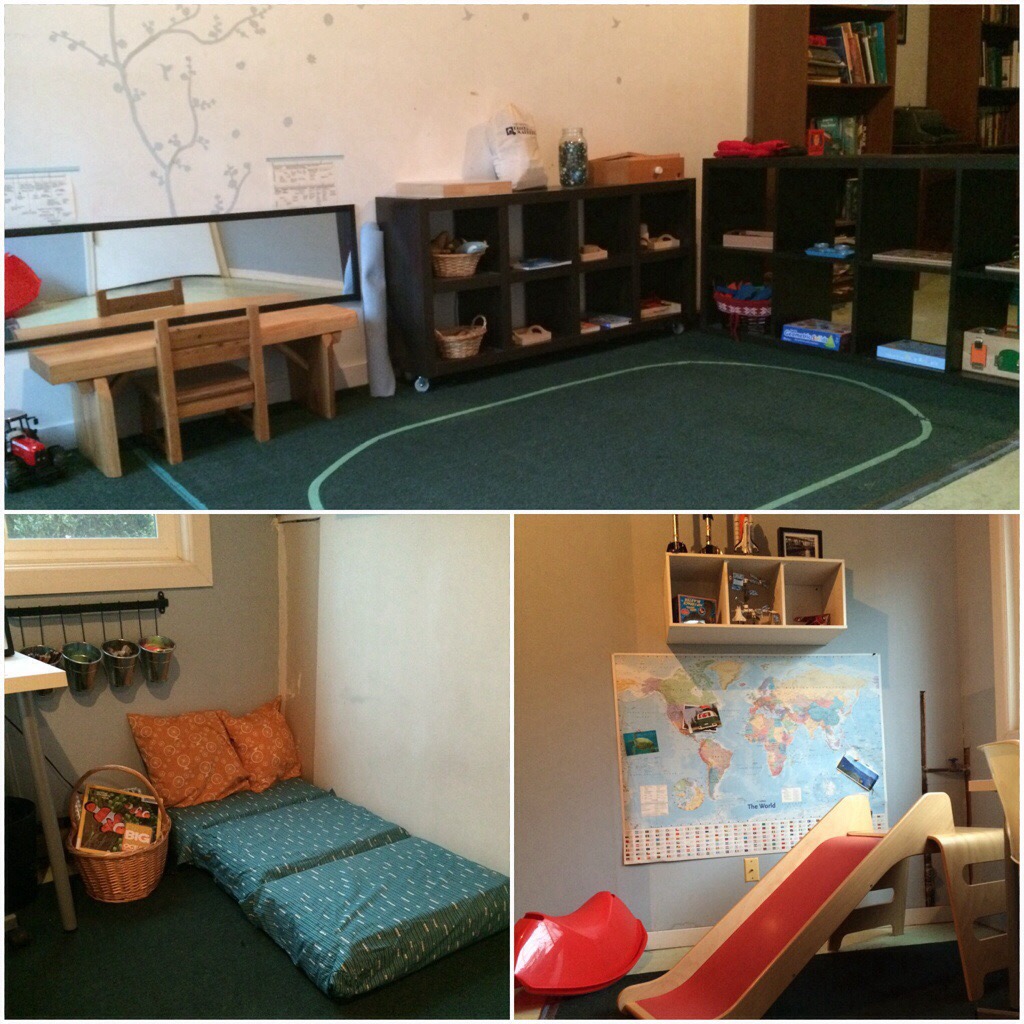
This is how our space started. There is a post about it here that was written less than a week before his first birthday. It was a space that Quentin, an infant on the movement mat with his bell and ring mobile, and his big 12 year old brother needed to share. Over that first 18 months it worked extremely well. 


A year later we did a major overhaul of the space a year when Quentin turned two. You can read about it here. Just like in any toddler Montessori environment, movement needed to be at the forefront of our focus. He needed a large floor area and items that called to his need to move his body. He also needed more shelf space as he was showing a capacity to sit with table work for longer and longer periods. The space for materials was important because he had not yet started school but was very eager to do tray type activities. Anthony had also grown out of the need to have his things stored in the boxes shown in the first picture. The overhaul worked beautifully and the space continued to be used by both boys. 


A year later a minor overhaul was done again as Quentin turned three. We removed his book basket and installed a book rail so he could display and easily access more titles. Anthony no longer required the space preferring his work table be moved to his bedroom and the space became solely Quentin’s. We also got a new work table set that better fit him and took up less space since he was better at containing his tray work. You can read about that change here


As Quentin turned four only the smallest of changes happened. You can see what our entire house looked like here. We changed the artwork and really started to make use of the new designated art area (shown behind the open backed shelves with second desk and upright cube storage). 

The space still worked but we could see changes would need to be made.

And so, as we sit with Five less than 24 hours away, we have decided we must change the space. 

Here’s what still works in this space:

  • Light and airy
  • Clean lines and clutter free
  • Open space to move around in and lay out a work mat
  • Clearly designated area for art
  • Reading corner still comfortable and a good fit size wise

Here’s what doesn’t work in this space:

  • Cube shelves are no longer required. He knows where his work goes instead of needing an empty cube reminding him
  • Too many cubes. He actually needs less shelving for work materials 
  • Limited display space means collectibles and non work material aren’t always displayed well
  • Work table is too small for some larger works
  • No upright long storage for his Waseca Biomes mats meaning we now lean them against his shelves with his work mat

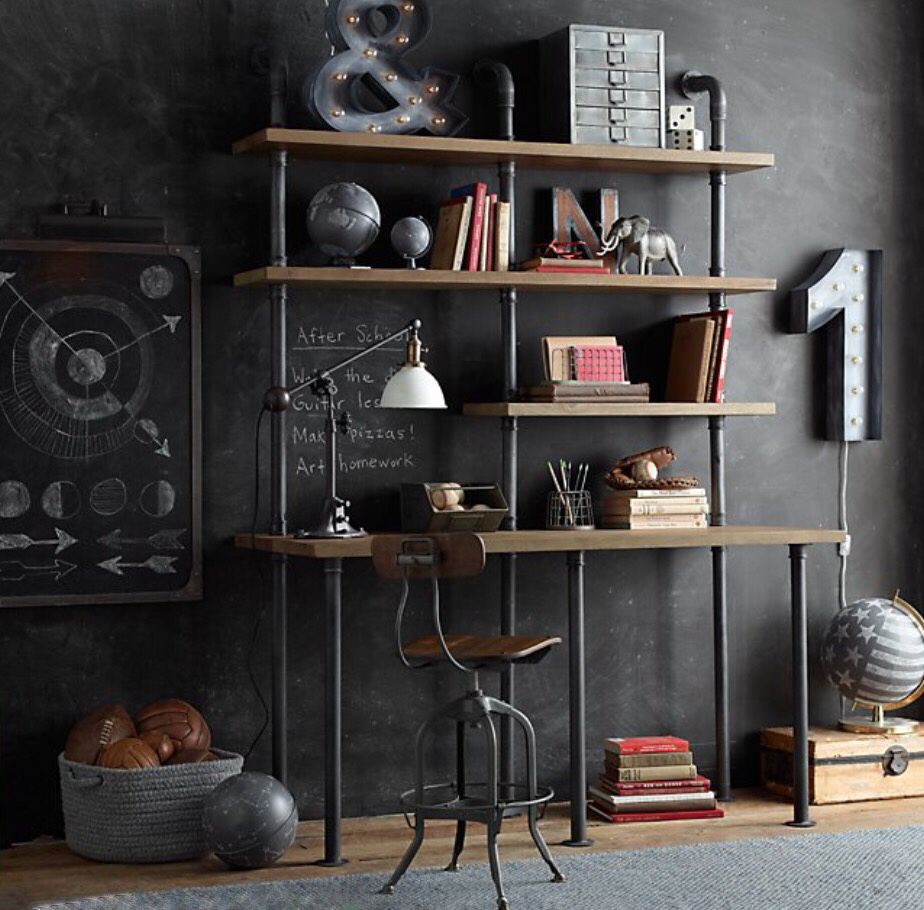
This and the accompanying shelves shown here from Restoration Hardware seem perfect for us. Some big storage baskets like the large rope one shown above are also appealing but I’m not sure if my inner minimalist will love them in real life. 
We will be sure to post pictures of the reno process and of course you will hopefully be seeing the finished space soon. 

It’s amazing what can happen when you stand back and evaluate a place in your home through the needs of a child. 

Our Montessori Shelves: 5 years old

Unbelievably another year has passed and so once again we are examining Quentin’s Montessori space. 

We have noticed some big changes in the last few months and because of that we have decide to completely revamp his space in preparation for him entering into what Montessori described as the Second Plane of Development. 

I’ll write a post on that in the upcoming days but I want to give you a sneak peek at some of the things on his shelves as he heads into 5 years old. 


These were his shelves at this time last year, as he was about to turn 4. You can read about the details here


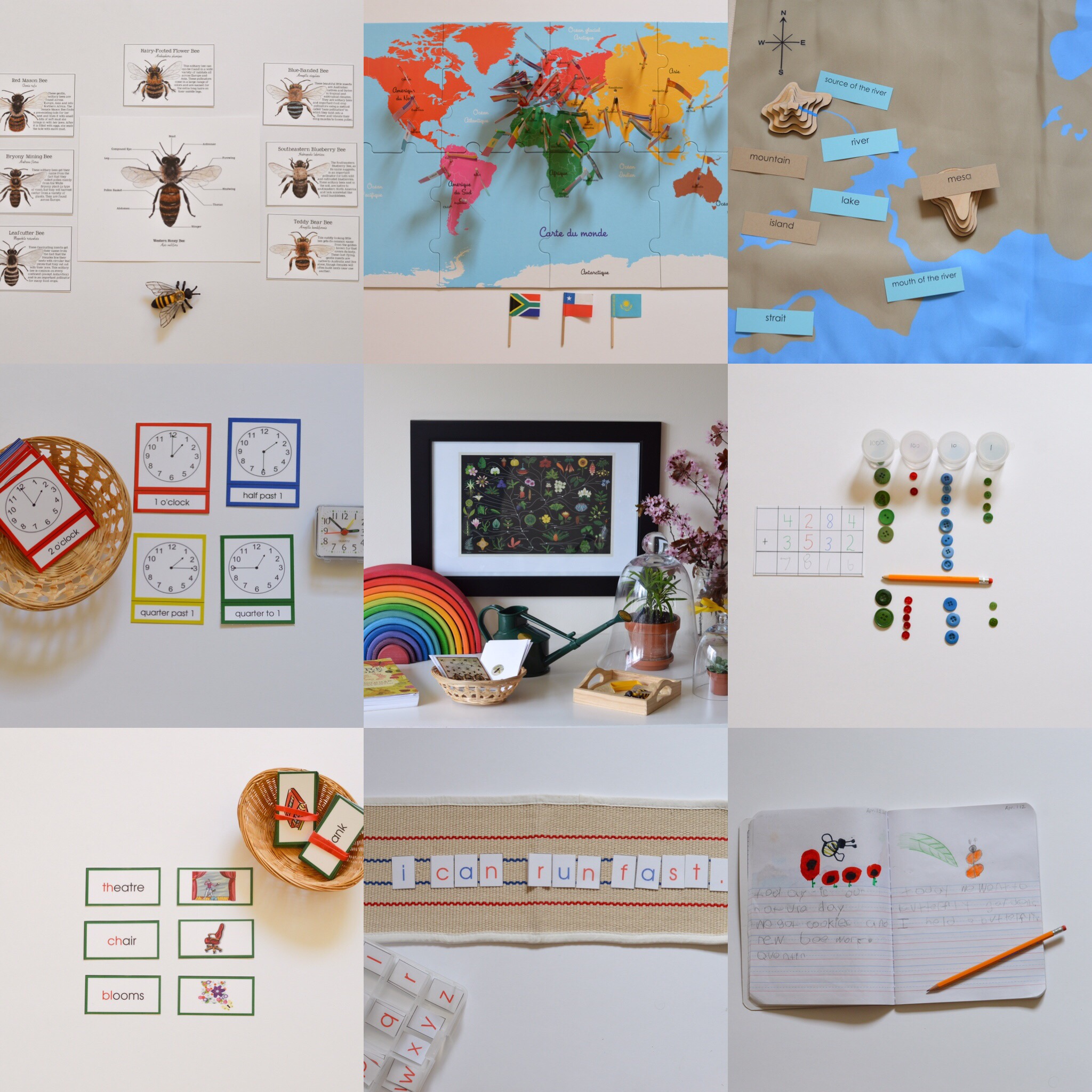
These are some of the things on his shelves now. 

It’s really fascinating to me to see the evolution of the materials, especially this last year. Many of the materials have remained the same but have evolved in difficulty. As a Montessori child gets older this is the norm. In infancy, materials are mastered quickly and new materials must be rotated in often. As the child develops, the materials remain longer and longer on the shelves and it is simply the way in which the child works with them that changes. 

Top Row left-right: 

  • Nature Study materials (you can find all our Nature Study posts here)
  • Flags of the World puzzle & geography work (purchased here)
  • Landforms Geography Mat (purchased here)

Middle Row left-right:

  • Time telling clock cards (purchased here)
  • Our Nature Table with some of this month’s materials (purchased here)
  • DIY Stamp Game (he’s now doing dynamic addition)

Last Row left-right

  • Montessori Green Series Language cards (purchased here)
  • Montessori paper Moveable Alphabet (purchased here)
  • Primary writing journal (purchased here)

These are only a few of the things that hold Quentin’s interest. He has many open ended items as well, some of which can be seen in this post about our home. He also loves spending time outside. 

As we prepare for him to take his fifth walk around the sun we are mindful of how this space has stayed the same over all these years and now, how it must change for a boy who is growing and it would seem is entering the Second Plane. 

Our favourite Montessori friendly Spring gifts

Spring. New leaves, new life and warmer weather. There are also so many beautiful cultural traditions and celebrations around this time of year. 

Like all holidays, we as adults tend to want to give the children in our lives “all the things”. But as we mentioned here, it is the experience a child seeks, not the stuff. 

And so, we as Montessorians (and as aspiring minimalists) try to advocate for spring holiday gifts that facilitate a child’s imagination, curiosity and sense of wonder. 


We love making these adorable Pom Pom rabbits found here. The Montessori side of me loves the fine motor hand movements required. Scissor practice is also great Practical Life activity for toddlers and up. Crafting with a child is a beautiful way to spend a day. 


A beautifully curated “basket” of new kitchen gadgets and baking supplies found here, invites a budding chef into the kitchen for shared baking time with a loved one. 


This sweet little set from Montessori Services with a few packets of seeds tucked in is perfect for toddlers. Spending time in the backyard together and watching your garden grow is such a lovely way to connect with a child. 


A DIY Nature explorer kit (or a purchased kit from here) is one of our absolute favourite gifts to give. The gift of nature is a powerful one to give a child. One whose benefits will last a lifetime. We love these postcards by Playful Learning to tuck into our exploring kits. 


And then, there’s simply the act of giving nothing at all. Of instead being mindful of what has been given to us, and sharing that love of all things new and bright and green with a child. 

Because that’s what they really want. Not our stuff, but our time. 

Sunday Book Club: Author & Illustrator Julie Morstad

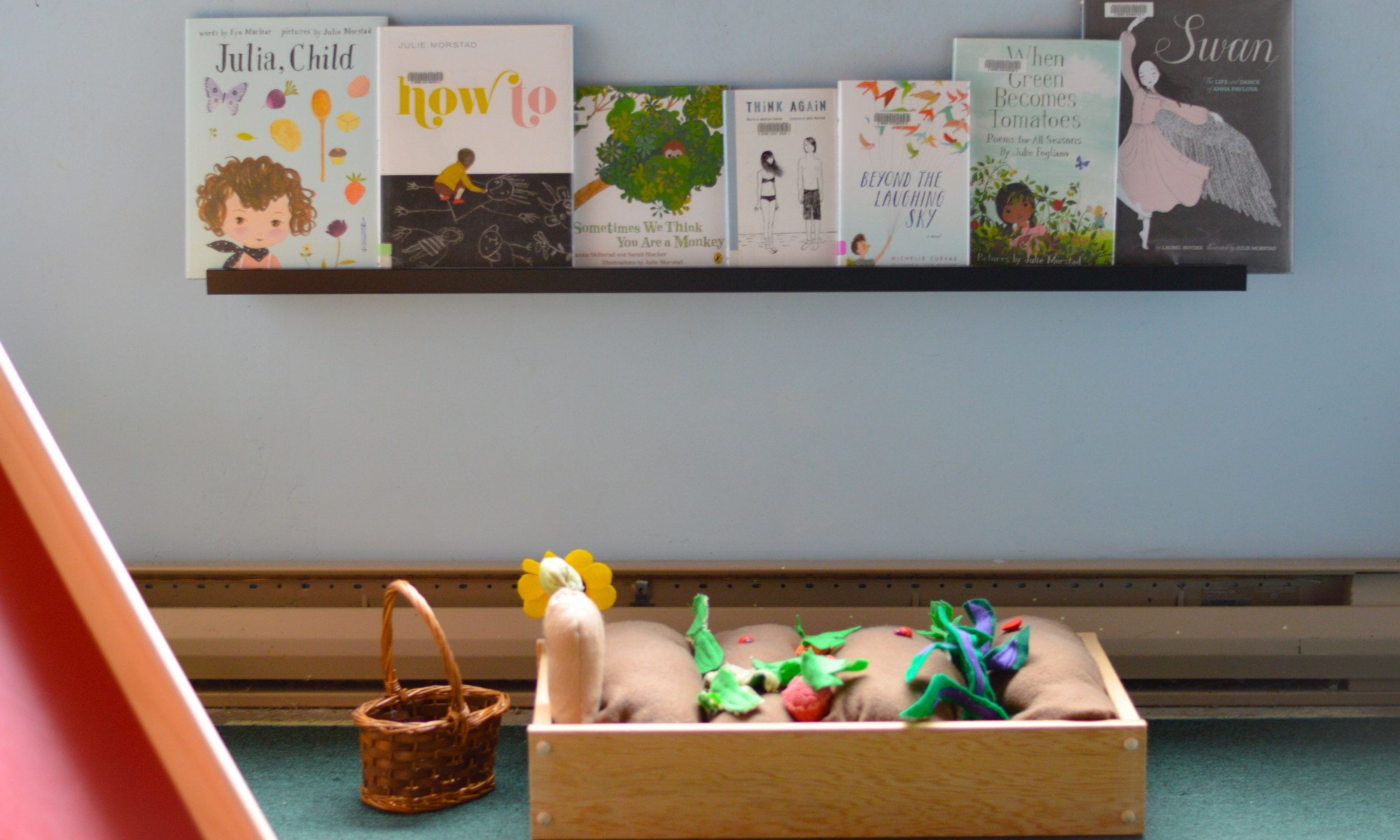
We absolutely love the illustrations and works of Julie Morstad. Her books are perfect for Montessori families because the illustrations are clear, reality based and beautiful. 


How To Is perfect for toddlers and some 3-4 year olds. Simple parts of a child’s day are explained with whimsy. 

Sometimes We Think You Are a Monkey is a loving story told by parents to their new baby. Toddlers will love acting out the different animal movements. Quentin at almost 5 years old loved this book for the animals and the ability to read it independently. 

Julia, Child is by far our favourite. We first featured this book here.
“The truth is adults often need a some extra help. Baffled and befuddled, mindless and muddled, they sometimes forget what they know.” 

How so very true

Quentin loves the story of a child who grew to love cooking and helped adults “overcome their feelings of never-enoughness.” 


Swan: The life and dance of Anna Pavlova is excellent for children 6 and up. It’s a beautiful story of a little girl falling in love with ballet and her life there after. Quentin was very interested in the timeline aspect of this book and it’s historical references. 

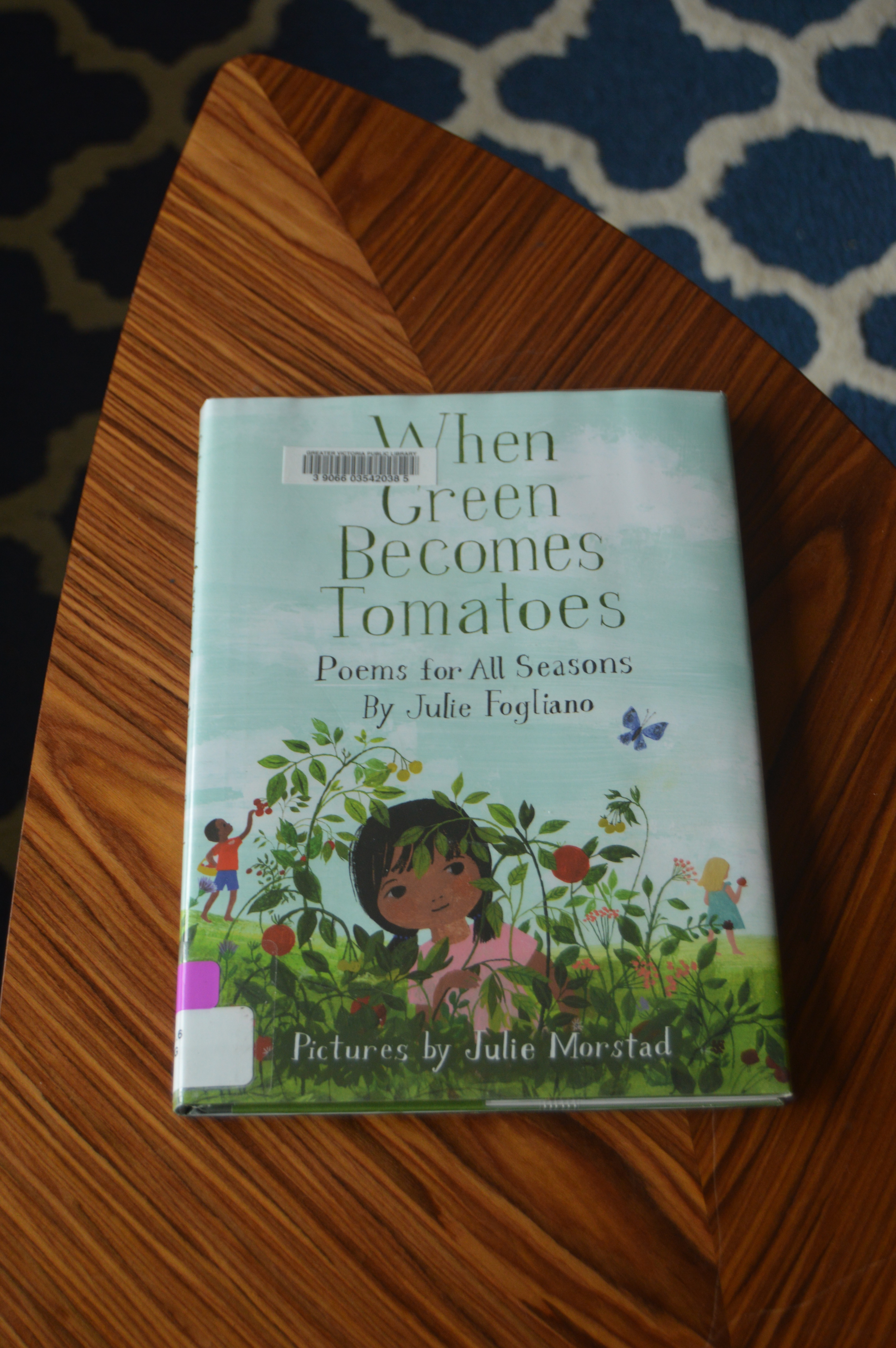
When Green Becomes Tomatoes This has fast become our favourite book of poems for children. Simple poems that begin March 20th and follow the year through the seasons without touching on any specific holidays. 

Think Again. “Make sure that your heart Isn’t too well-defended. Your heart is designed To be broken and mended”. Such an important message. 

Another book of poems we are in love with and Julie’s gorgeous drawings. This one is for the older child (9-12) but Quentin enjoyed it anyway. It was perfect as a family read aloud book. 

Beyond the Laughing Sky is a true masterpiece of young adult fiction. I read this one myself and enjoyed it immensely. It would be perfect for the 9-12 year old independent reader or as a bedtime chapter book for a 6-9 year old. 
So many beautifully illustrated and written books and we haven’t even listed most of her work. If you haven’t had a chance to read some Julie Morstad we would definitely recommend it. 

Montessori Geography for the 3-6 year old child

The prepared environment whether indoors or out is where a Montessori child finds Awe and Wonder. The beauty of the environment sucks them in and doesn’t let go. 

The Culture section of this environment is my absolute favourite. It is diverse, centres around Peace Education, and opens a child’s eyes to the world around them. 

We have been using the materials of Waseca Biomes for years. ​

They are detailed, diverse and above all beautiful. 

The Seasons Mat and Celebration Sun was an early favourite. Not just for birthdays but also to learn the months and seasons  of the the year. 


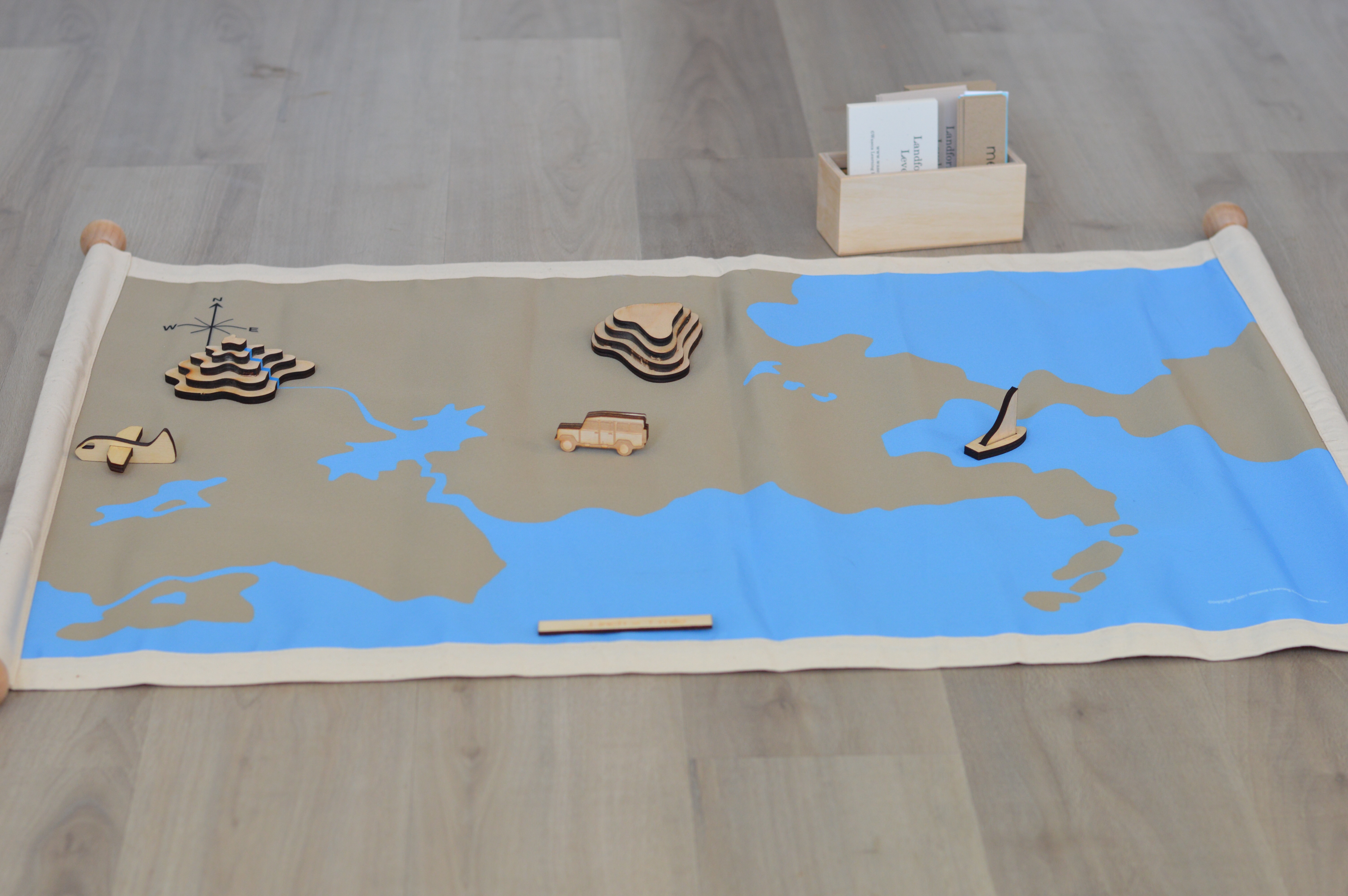
We recently purchased the Landforms Mat and we have been continuing the work Quentin has done in his 3-6 classroom with the landforms. It is an awesome material because it brings the landforms together in a holistic way while gently moving into the abstract. Quentin loves following the prompts from the Level One cards such as “Fly, drive or sail to a body of water surrounded by land on 3 sides. Above he chose to move his sailboat to the Peninsula. There is a Level Two set and Level Three set included so this material will be relevant to him for years to come. 

We love these materials so much that we wanted to share them with other families. 

  
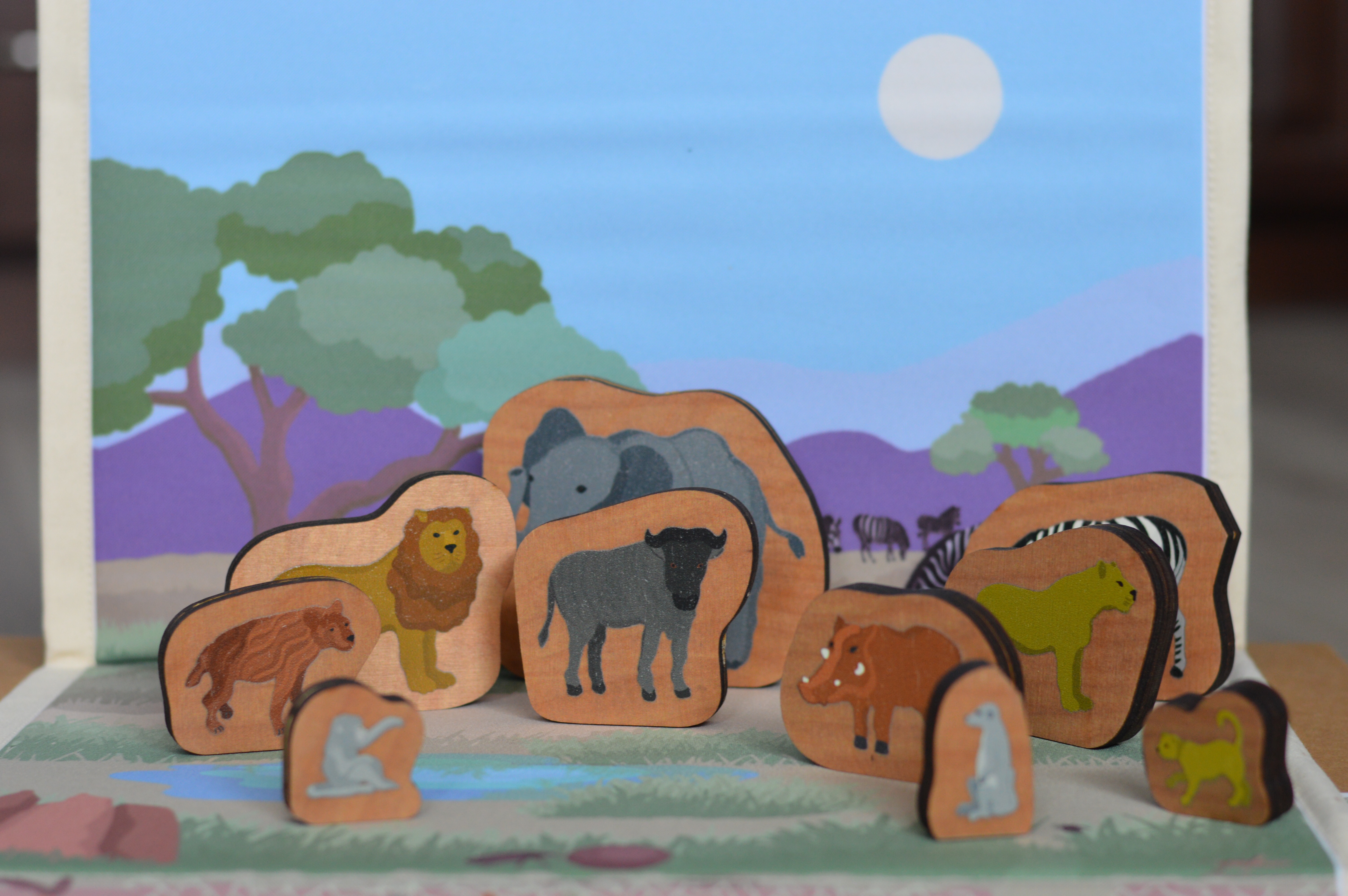
We are giving away this full set of the Africa Savannah Theatre Mat. It includes the theatre, grammar card set, animal tracks rubber stamps and sequence cards. 


To enter head over to our Instagram or Facebook accounts. 
We are so thrilled at the thought of a child being awed by this gorgeous material.