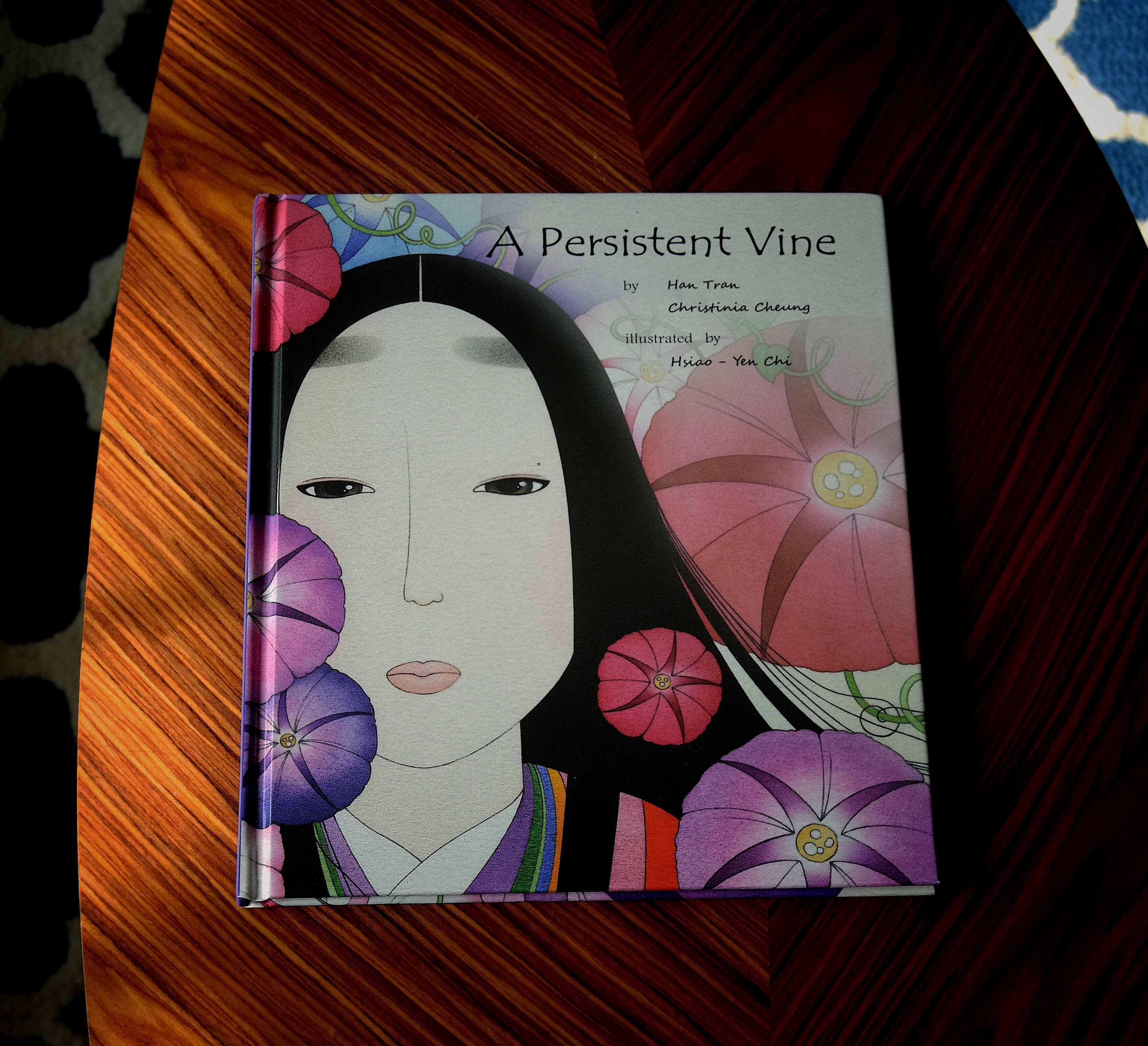
Sunday Book Club: A Persistent Vine

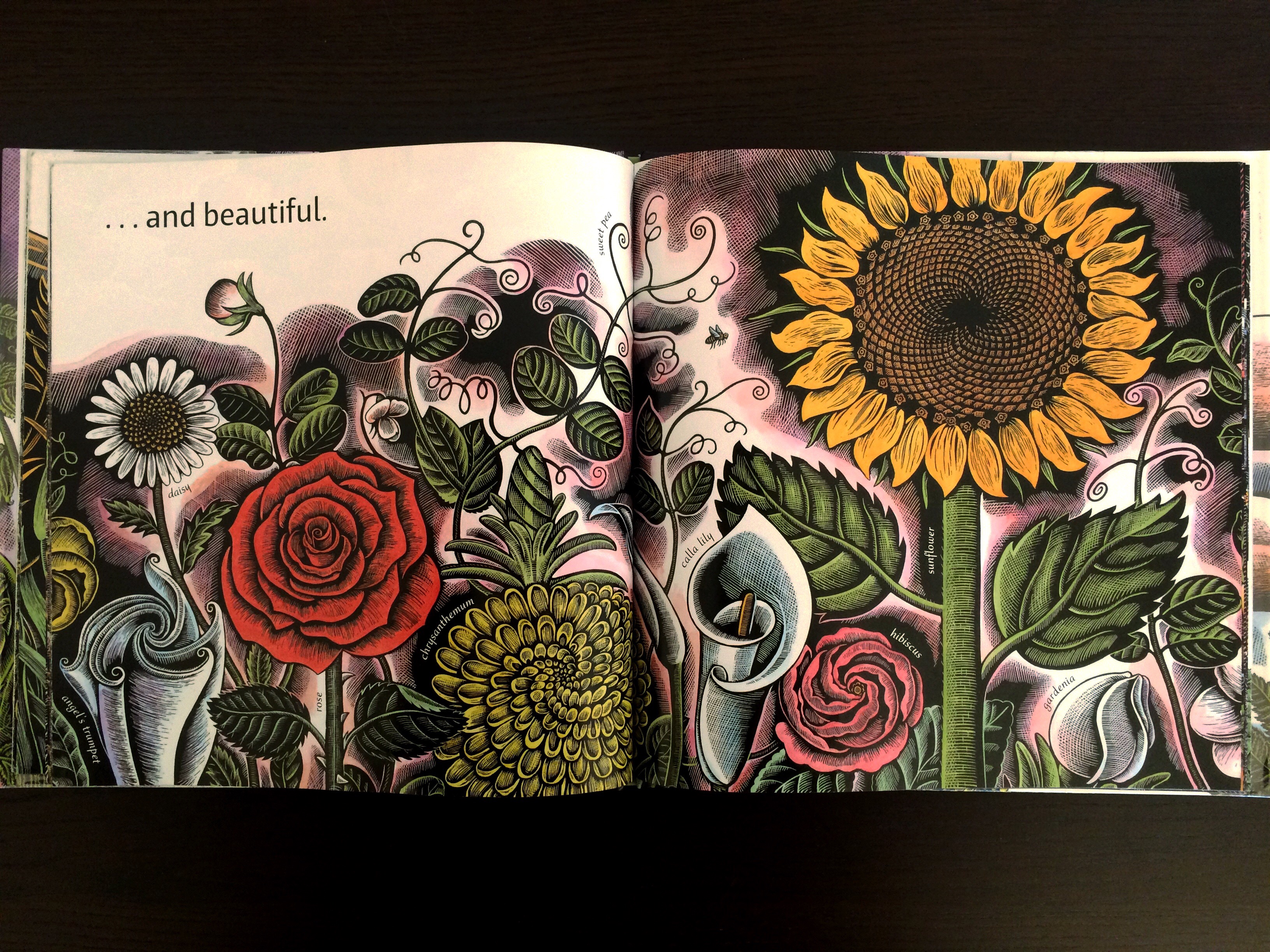
Passing on culture through storytelling has been done for thousands of years and is so important for the healthy development of a child’s brain. I love when a cultural fable is presented wth beautiful artwork that captures the attention of a child. 


This is the second book I have been asked to review by Hands-On-Prints. A beautiful story set in Japan in the 9th Century. 

The story is rich and intriguing, but slightly longer. Quentin at almost 4 was able to sit through it, but it would best suit children 6-9 years of age. 

  
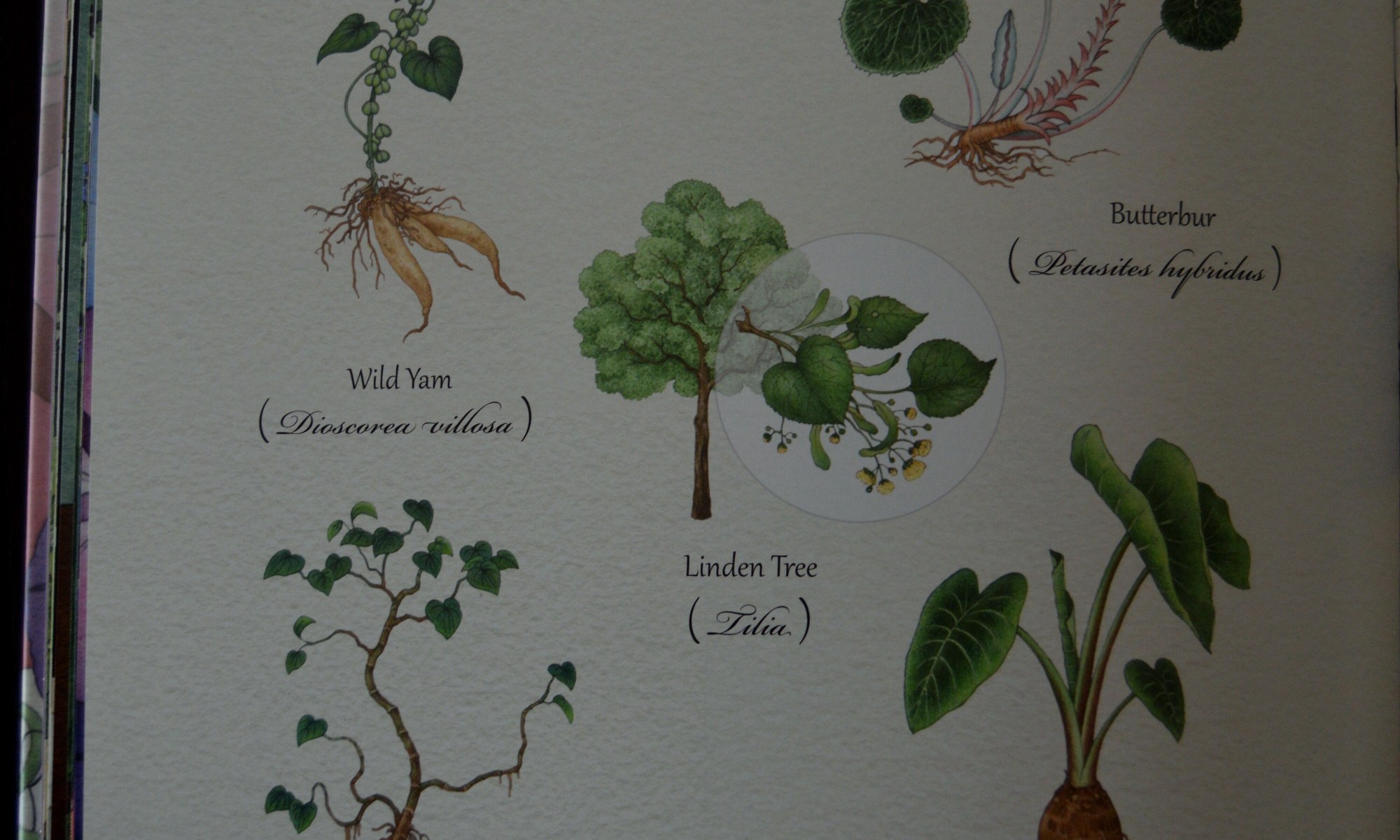
This book is part of a 4 book series with each of the books set in a different geographical region and time period. It compliments Japanese cultural studies done in the classroom, or at home, and is an excellent book for a child who has a love of botany and geography like Quentin does. 


Our Montessori Shelves at 4 

This time next week Quentin will be four. It was time to examine his shelves. 

As many of you know Quentin attends Montessori school Monday thru Friday. We don’t homeschool in any formal way. Now at 4, his materials are often ones that he has requested. He will sometimes say “I’d like to work with some new words”, or show an interest in a particular topic. We then make an effort to stock his shelves with those items. This isn’t to say that we rush out and purchase everything. But making time to really observe him and engage him in meaningful conversations will usually narrow down some ideas. Then we look for good quality. Also, the majority of his materials are homemade.

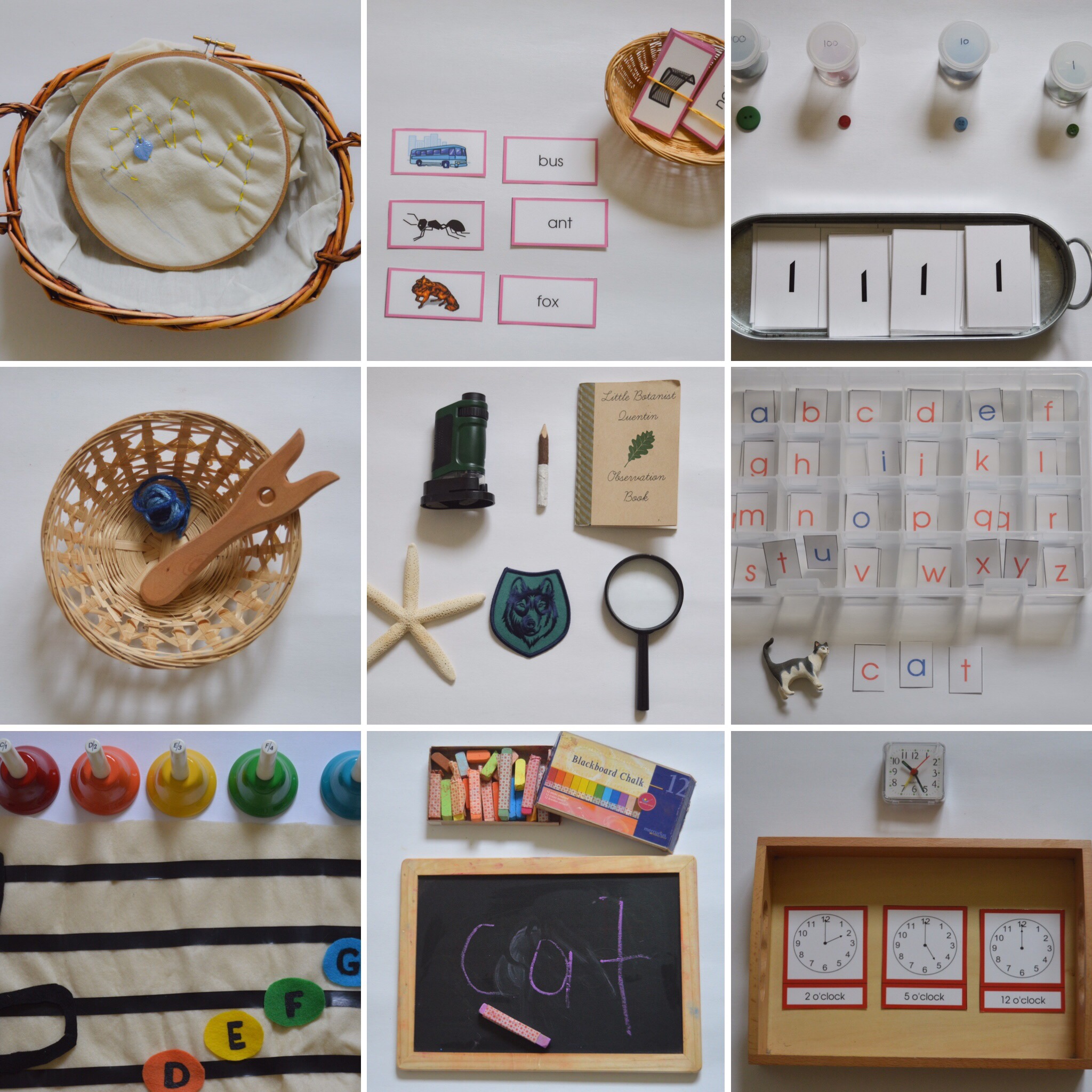
Here are Quentin’s shelves at 4.

  
Top row: sewing basket with current sewing project, Pink Series Language cards found here & DIY Stamp Game

Middle row: knitting basket with French knitting fork, nature exploring kit for the monthly          subscription program we are enrolled in & moveable alphabet found here

Bottom row: Rhythm bells with DIY felt notes & music staff, chalkboard and chalk for writing & telling time cards found here

These are his favourites at four. Looking back at previous posts about his shelves makes me reminiscent. He has used this space for such a long time now and it is the same, but it is also constantly evolving. It follows the child like we do. 

These are simply some of the things found on his shelves. I will post again early next week on his other materials and spaces around the house. Have a great weekend!

Sunday Book Club: Swirl by Swirl – Spirals in Nature

Anyone who knows me can tell you, Maths are a very big love in our house. So, when there is a beautifully illustrated Montessori friendly book that features not only nature, but the Fibonacci sequence; well I just couldn’t resist. 


Swirl by Swirl, Joyce Sidman

Incredibly detailed pictures set with simple text, this book will capture a child’s interest at any age. 

  
The delicate way Math reveals itself in nature is a beautiful one. There is an excellent information section at the back of this book, explaining Fibonacci and many other interesting bits about nature. Quentin at almost 4 enjoys carefully scanning the pages, looking for all of the details. He happily identifies swirls and this book is a great way to add the extension of some nature exploration. On our nature walks he looks for patterns. Perhaps he doesn’t yet find Fibbonaci in a pinecone or a sunflower. But I do. And I can marvel beauty of it with him. 

  
This book touches on the subtleties of it all from ferns unfolding to a chipmunk curled in its den. There is more there than we realize, we just have to stop and look. 

Sunday Book Club: A Handful of Numbers

 
I was contacted at the beginning of March by Hands-on-Prints to see if I would be interested in reviewing some of their books. I agreed and am thrilled to debut with their newest publication. 

  
When I’m looking for good quality, Montessori friendly books, illustrations are what do it for me. But it doesn’t end there. Books must be engaging, beautifully written and invite the child to seek out some aspect of the story. This book didn’t disappoint. 

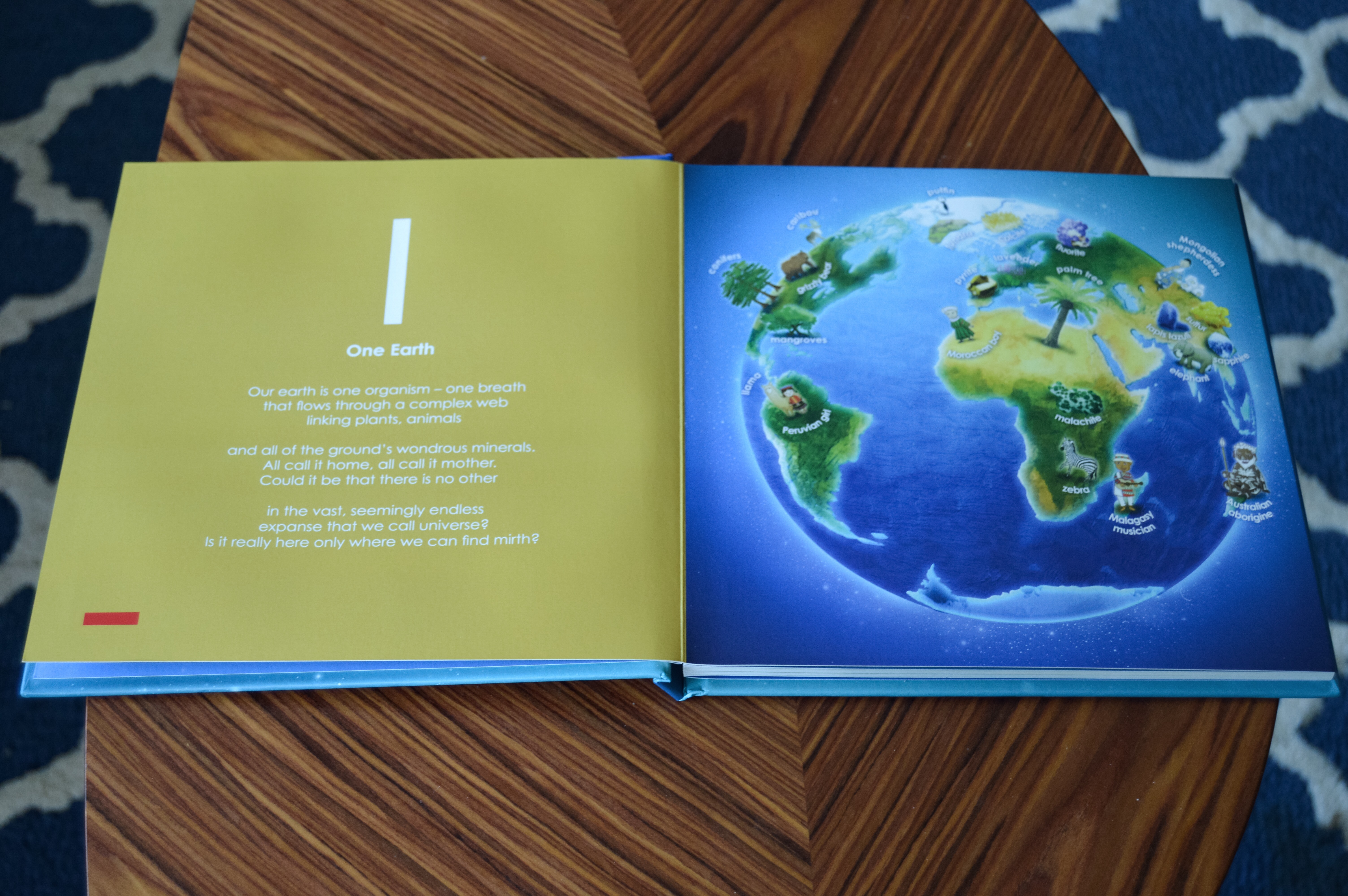
It’s simple, clear and detailed illustrations are what Quentin was also drawn to. He loved the world landmarks, the continents page (because yes there are penguins in this book) and wanted to know more about the planets and the weather systems featured. 

  I liked that each number and corresponding page sat side by side. A child can easily see the number and the correlation to what is being shown on the opposite page. I also liked that the Number Rods were used to give a physical representation of the quantity as well as the number in symbol form. This is a great book for children 3-6 to compliment their understanding of the world. It is also a book that will grow with them as they can begin to delve deeper into some of its topics as they get older. 

  
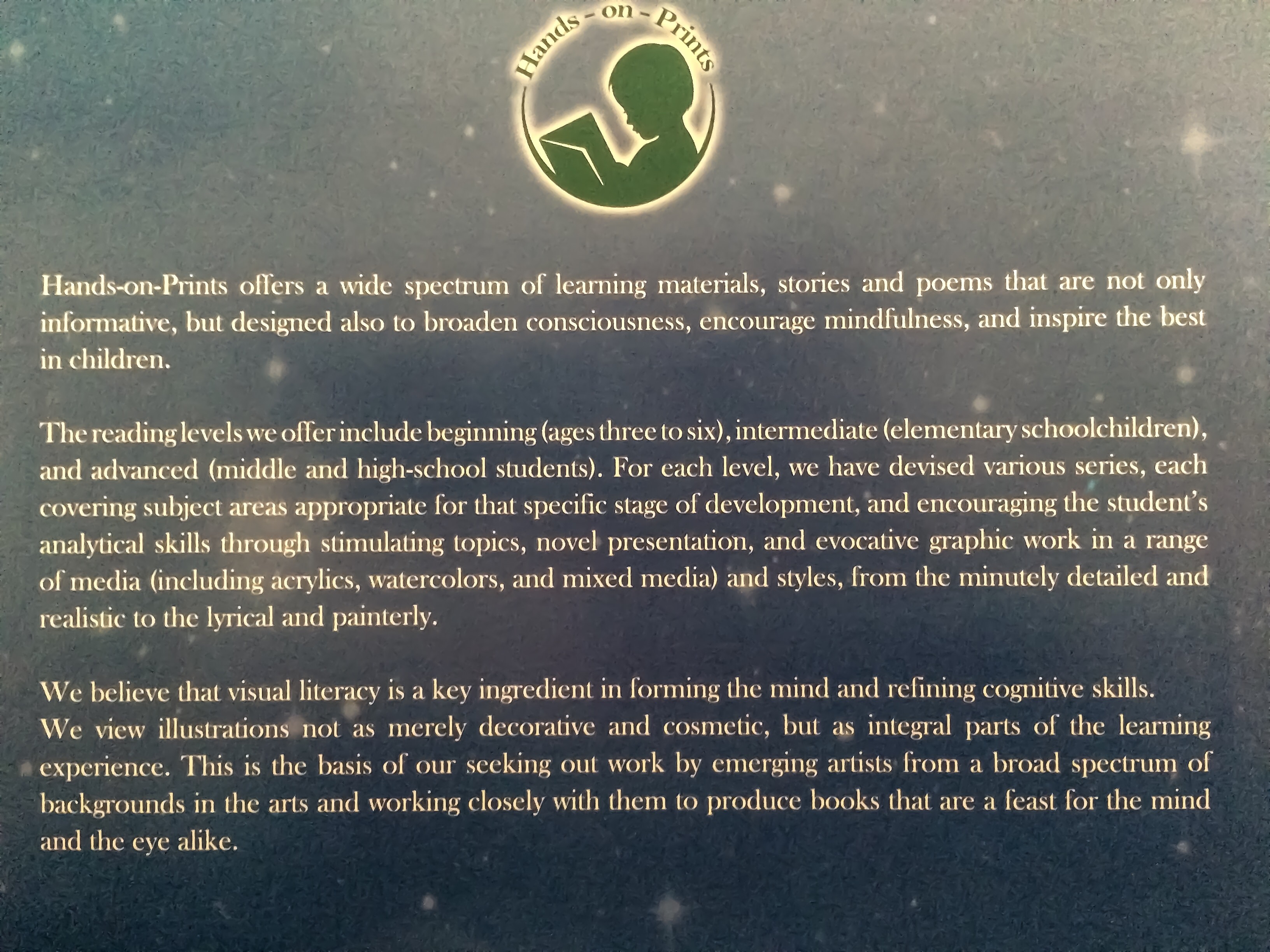
When partnering with anyone, it’s important to me that their values are somewhat connected to our family’s. That’s why I was pleased to read the back cover of this book and find out more about Hands-on-Prints. 

  
Hands-on-Print books are available around the world at Baker & TaylorAmazon and Barnes and Noble

You can also order directly from their website here

It also happens that I have a copy of this book to give away. To enter head over to our Instagram feed for details and to enter. Good luck to everyone.  

Montessori 3-6 Botany in the Home 

I have always advocated against the need for the true Montessori didactic materials in a home setting. The reason for this is that there are an endless supply of ways to explore the world with your child in the home environment. And you don’t need any formal training to do it. 

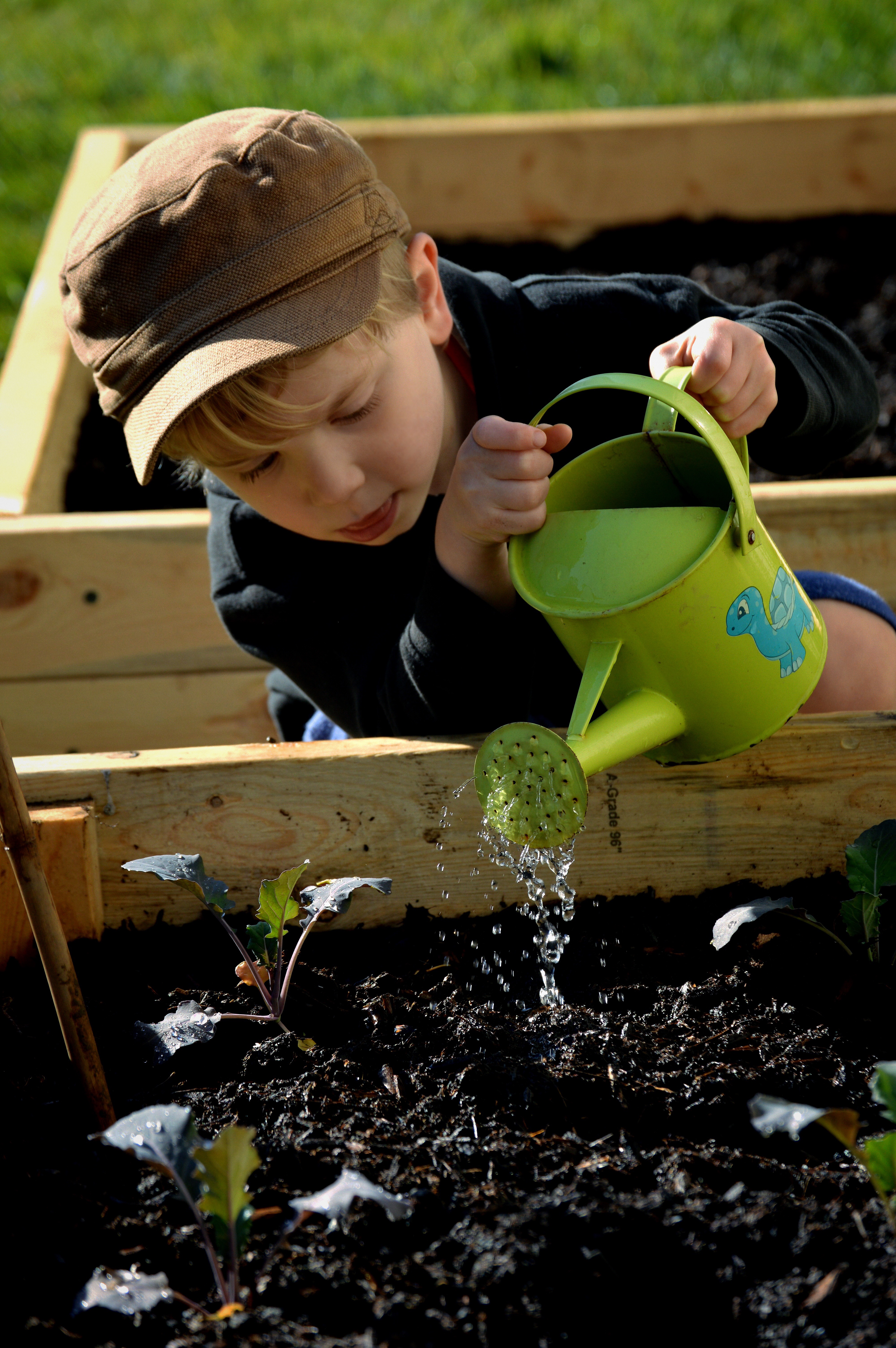
So, having led with that, we don’t have a Botany Leaf Cabinet, or Parts of a Plant cards. We simply go outside and garden. 
 
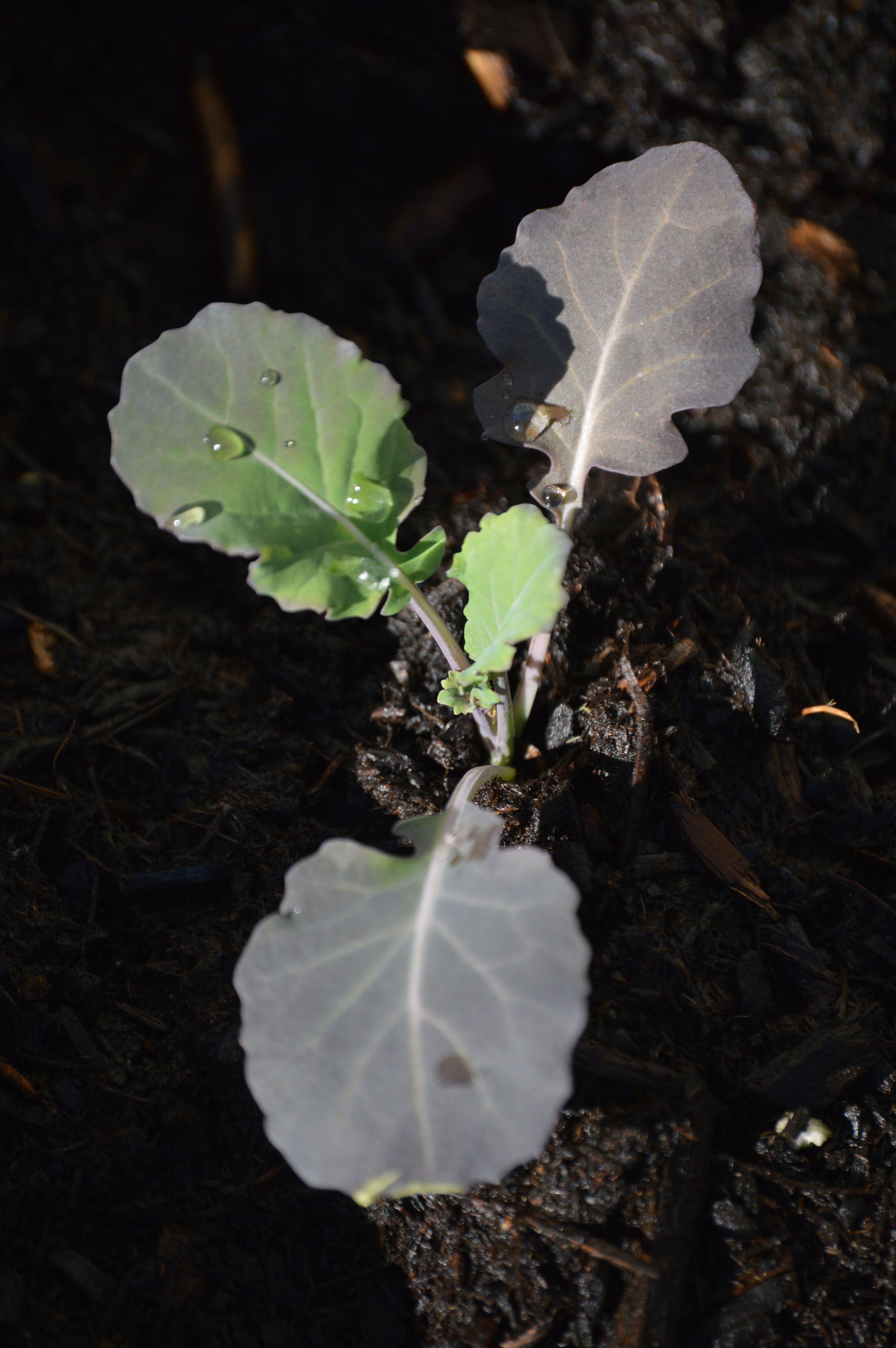
Gardens are so perfect for children. A feast for the senses at every level, a connection between what is grown and what is consumed by animals, insects and humans. And, most importantly, Practical Life. The ability to plant, care for, and harvest one’s own food. Even the youngest of children can help. 


Gardens can come in any shape and size. You can grow vegetables in a field, a large wooden planter box, in a small pot on a balcony or even a windowsill. 

If your thoughts turn to the fact that you do not have a green thumb, don’t worry. 

Your child does. 

  
Try sprinkling lettuce seeds into some soil, cover and leave a small spray bottle near by with a little water. Your child will feel such a sense of accomplishment when the first green stems poke through the soil. 

Spring: Naturally dyed eggs

  
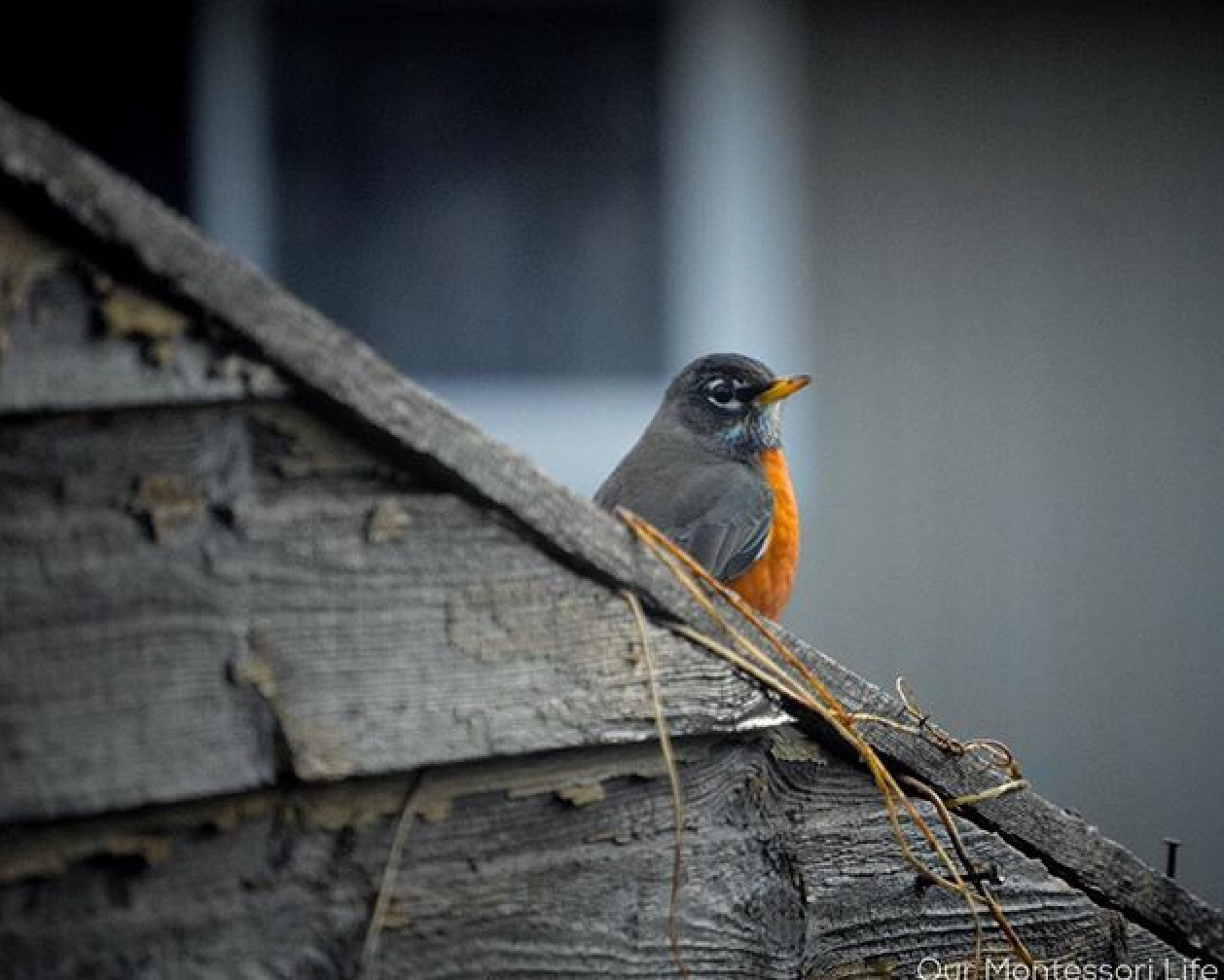
Sunshine, birds chirping and lots of time outside. We’ve been off on Spring Break and trying to spend as much time as possible together and relaxing. 
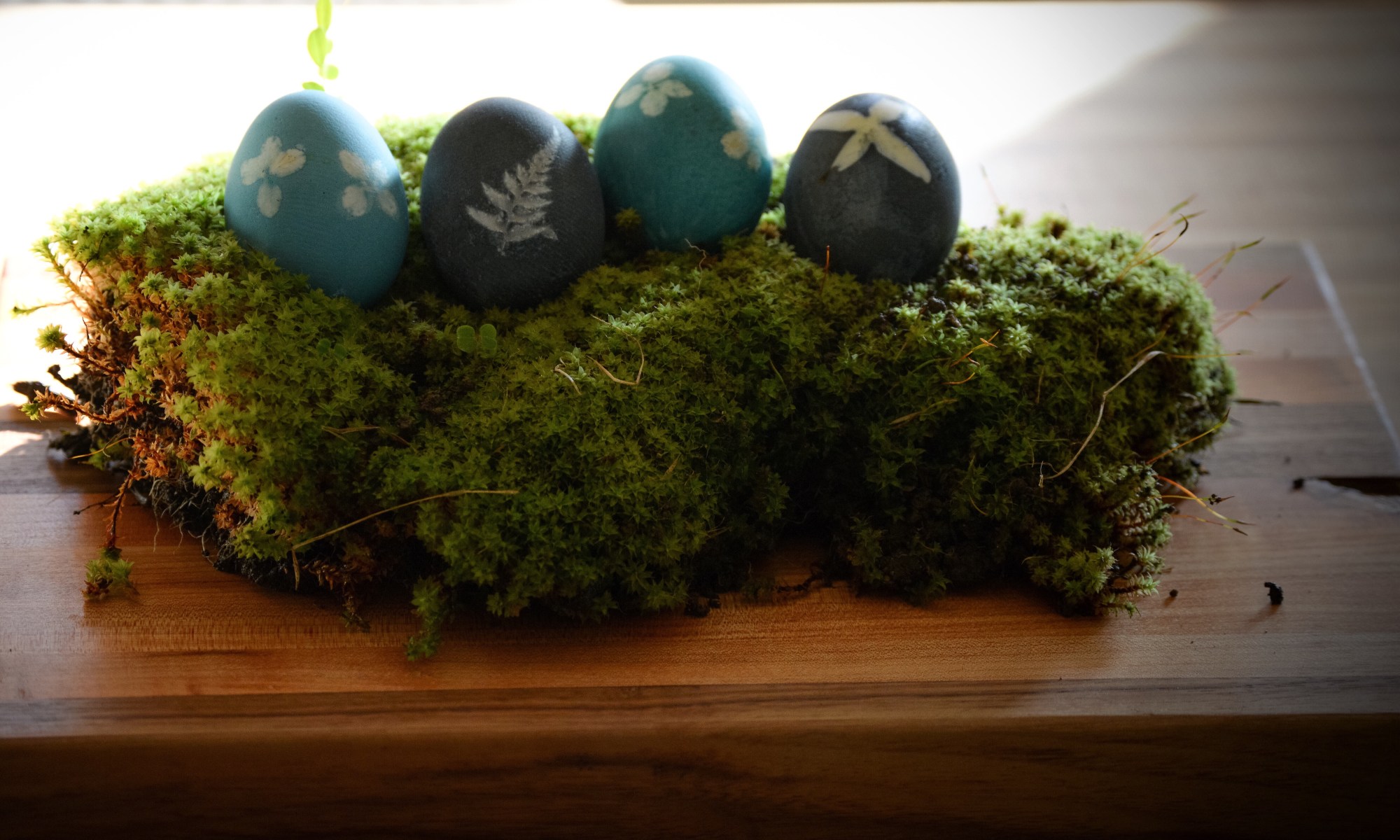
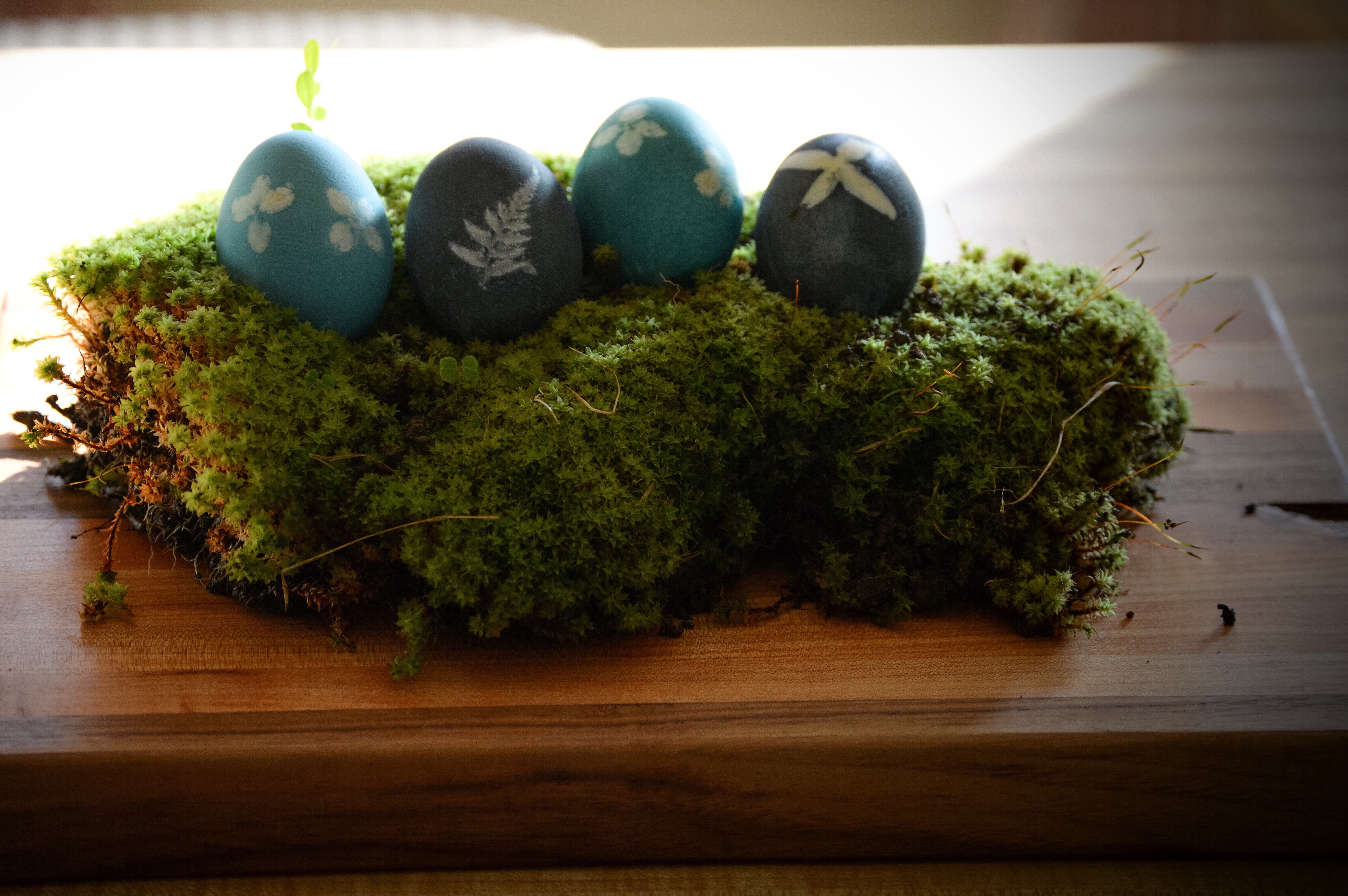
Egg dying was also on the agenda this weekend. Naturally dyed eggs are easy and fun for all ages. 

You don’t need much except patience. 

Materials:

  • White hardboiled eggs
  • Sheer stockings/pantyhose
  • Plant material 
  • Natural dying material 
  • White vinegar 
  • Tall mason jar

We used yellow onion skins, purple cabbage and blueberries. But the list goes on and on. Try experimenting with spices, beets, tea and anything else you’d like.

  1. Use one mason jar for each colour
  2. Put your dying material into mason jar
  3. Put in 2 tablespoons white vinegar
  4. Place a small piece of plant or flower onto egg (optional)
  5. Wrap egg tightly in stocking and tie it tight (optional, keeps plant material in place)
  6. Place egg into mason jar
  7. Pour boiling water into mason jar until egg is covered 

Leave for 3-6 hours, or overnight. 

Drain the jar when done, unwrap eggs and compost the dye material. Simple and beautiful. 

    
Have a safe and weekend. 

Sunday Book Club: A Nest is Noisy

  
We’ve been off on Spring Break here. It’s been quiet days filled with lots of outdoor time. 

One of our absolute favourite things to do is bird watching. I’ll go into more detail coming up later this week but I had wanted to share our favourite companion book for bird watching at this time of year. 

  
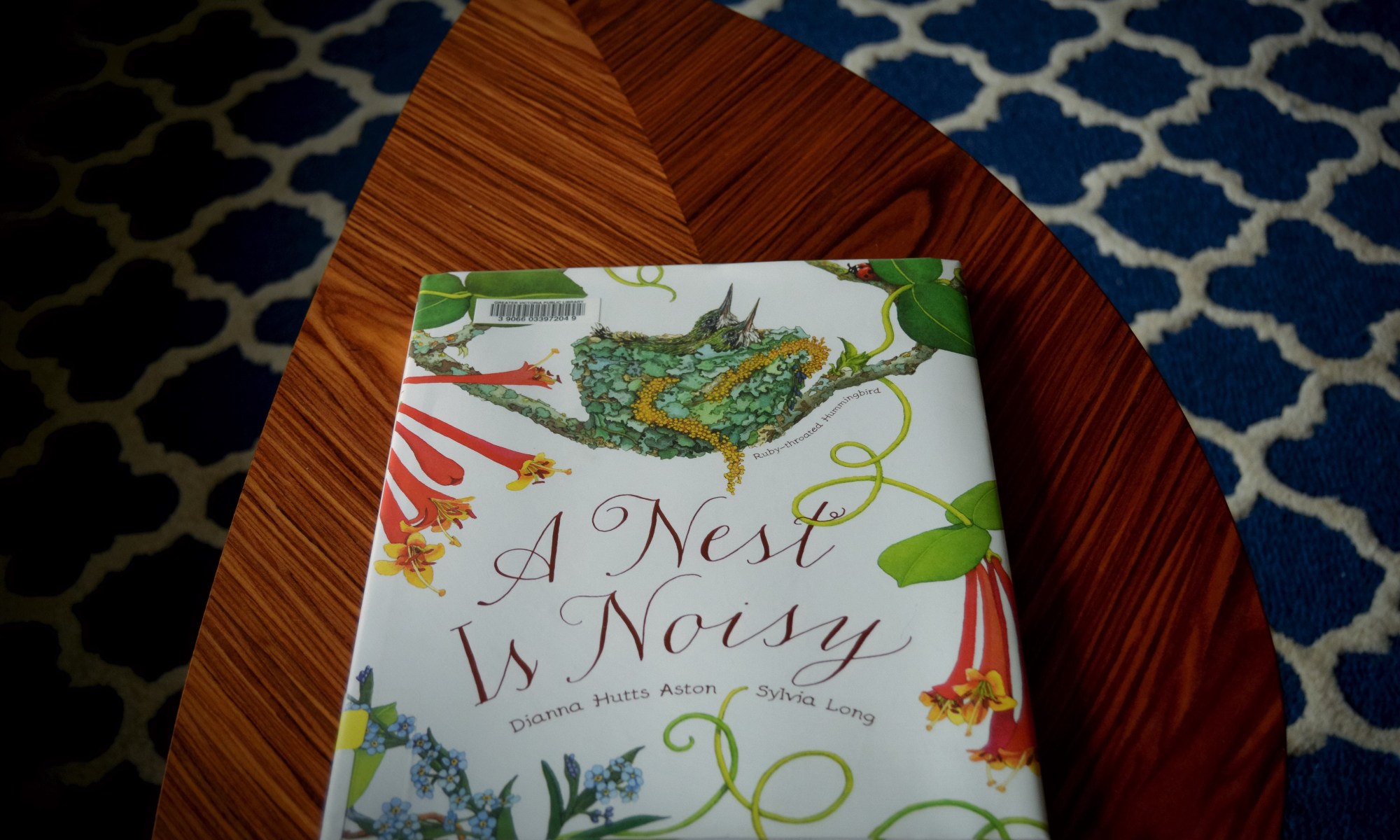
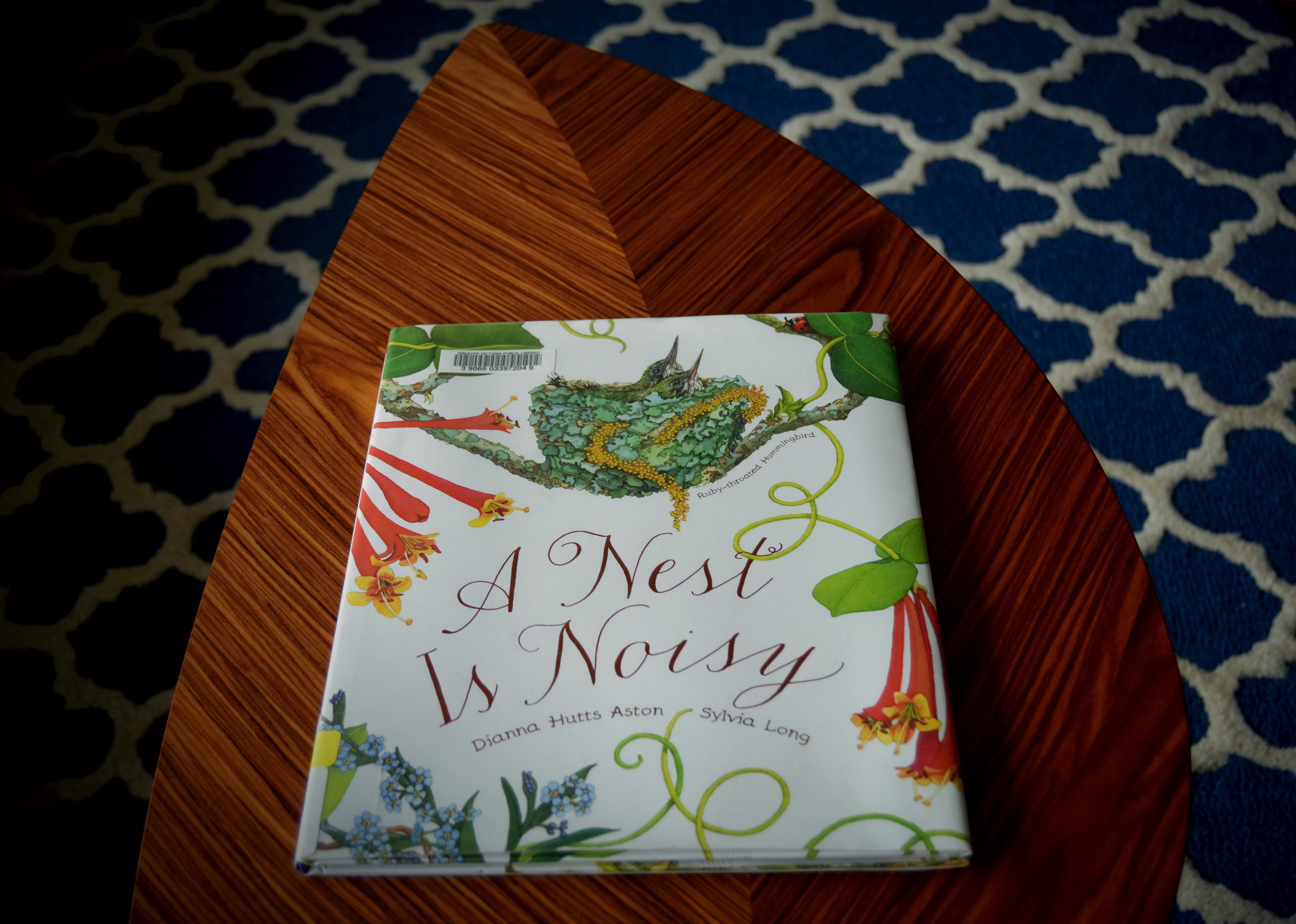
A Nest is Noisy by Dianna Hutts Aston
This book is part of a beautiful series and if you haven’t read it I would highly recommend you do. Lots of beautiful illustrations and interesting facts. We love it because it reminds us that it is not only birds that make nests. Many reptiles and mammals do as well. 

The coming of Spring offers such an amazing look into the animal world. We use this book to talk about different nests, how nests are made and also how we can help nest building animals ensured they have a safe place to build a home for their young. 

A Child in Nature

 We are going to take a break from our Sunday Book Club this week to instead tell you about this.  
I love spending time out in nature with both boys. We are lucky to live where there is such a vast and diverse wilderness. I also love reading about the different Montessori friendly activities out there for children and their families so when this came along for us I was interested right away. 

We have been reviewing Wild Explorers Club for the past 6 weeks. Their website is well put together and explains the entire two year programme really nicely. It is a monthly subscription service and at a cost of $12US a month I thought we got what we paid for. 

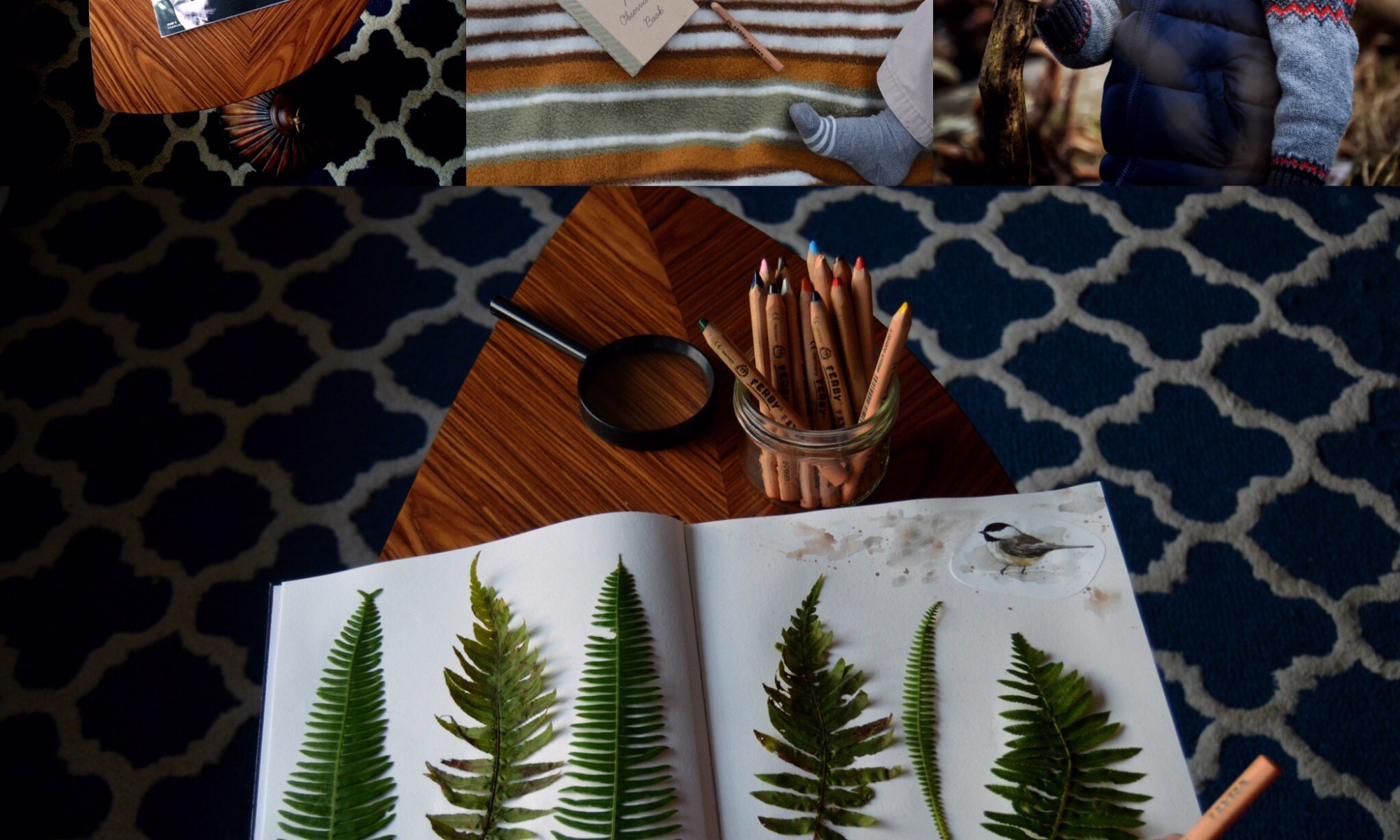
Each week there is a new activity for the child and their family to try. The programme starts when you sign up so you don’t have to jump in part way through anything. The first assignment was make an adventure pack. Others included hike a new trail, find a walking stick and make a nature journal. It includes a monthly paper magazine shipped to your door and all the weekly assignments and final certificate for a level are accessible on your account page and are easily downloadable. 

  
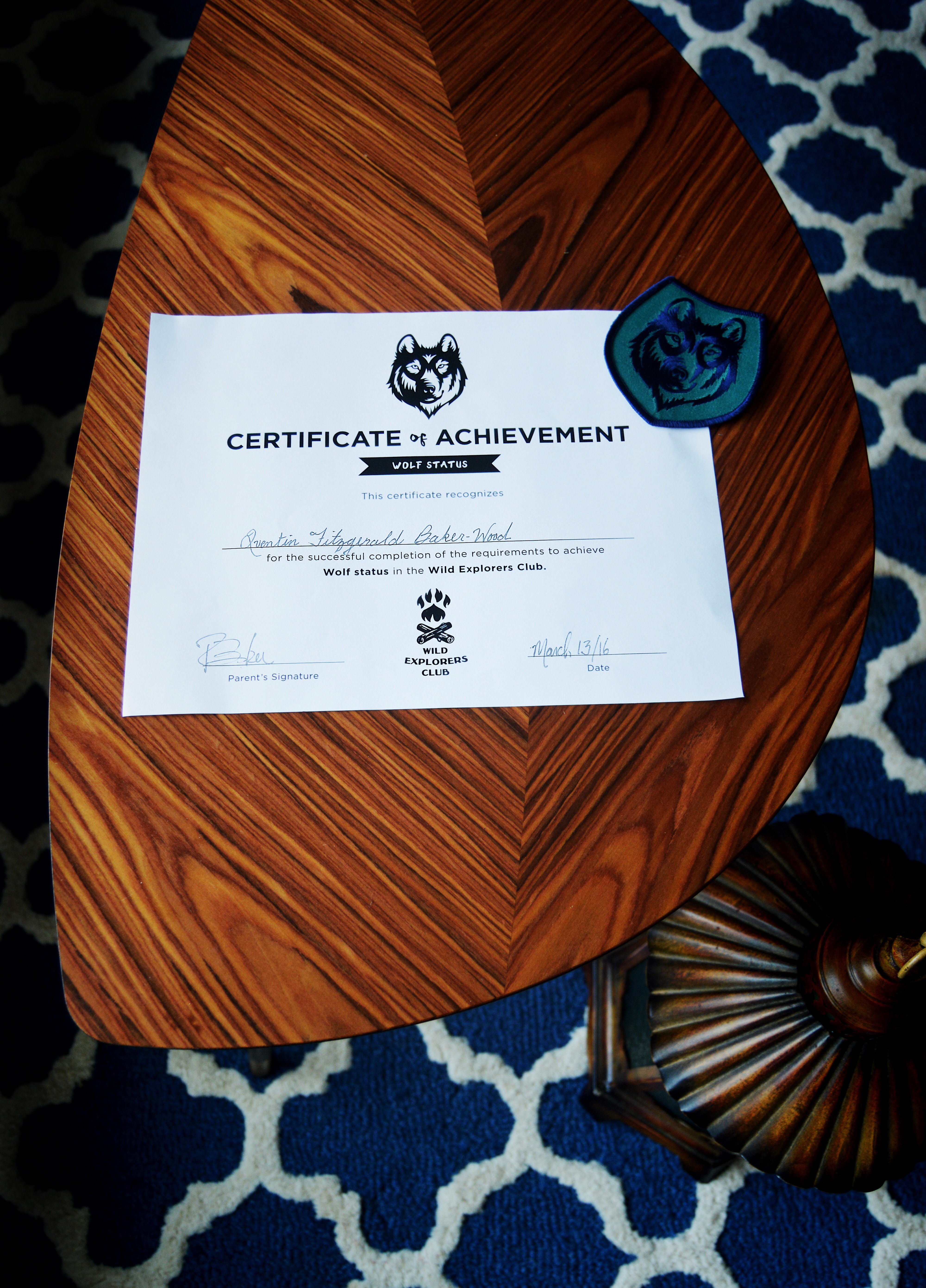
Quentin was so happy when his badge arrived in the mail. I’m not sure we will do the full two years but it has been fun for us so far and it helps motivate me to get us out and seeing the world. 
* All right, I’ll put up a disclaimer: We are not affiliated with Wild Explorers Club and I was not compensated for my review. All opinions expressed are purely my own. 

Our Week in Pictures

This week saw the weather get warmer, school wrap up before the Spring Break and Quentin’s asthma really dig deep and cause some hard days. 

We also had a lot of fun. 

  
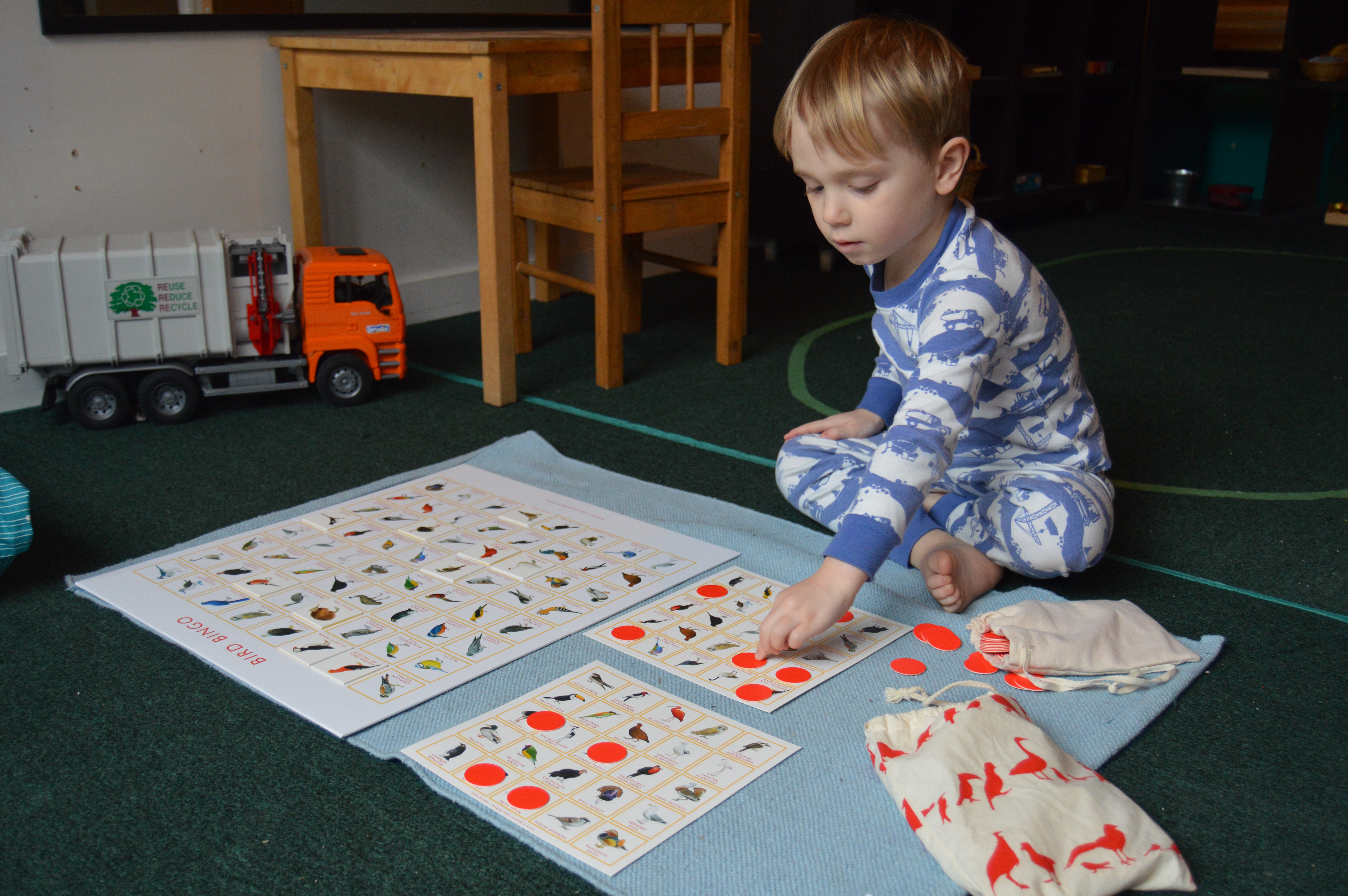
A quiet game of Bird Bingo

 
Making newspaper pots and having our submission to a child’s magazine featured  here
  
A quiet day home from school to fight an asthma attack. The farm is such a nice way to take his mind off everything. 

  
Feeling better and taking advantage of the warm weather. Working outside allows all of us to remember the importance of Gross Motor play. The air smells fresh and clean. Spring is here. 


Shadow puppet play is a nice way to end a week. We can all have fun with it and it lets Quentin develop language and story telling. Imagination at its best. 

Hope your week was a good one. 

Sunday Book Club: Our favourite Big Idea books

This week has been busy for us. However, we have been exploring big concepts with Quentin and I thought I’d share some of the best books for children that look at abstract ideas. 


All of our selections give interesting facts and leave the dialogue open for more discussion. We purposely looked for facts that were interesting but not alarmist for a young child. 
    

You Are Stardust by Elin Kelsey

“If you were a planet, you’d be a lot like the Earth. Rainforests on land and algae in the oceans are the Earth’s lungs.”

A book detailing the connections between the Earth, it’s creatures and the child. So stunning and absolutely fantastic. 


 Wild Ideas by Elin Kelsey

“If squirrels can learn to cross roads by watching people, what can you learn by watching squirrels?”

A book that celebrates the nature of problem solving. It shows children that it’s okay to have problems, and just like animals people are capable of using their minds to come up with a solution. A valuable lesson for all of us. 
  

If: A mind bending new way of looking at big ideas and numbers by David J. Smith
“If the Sun were the size of a grapefruit, Earth would be the size of a grain of salt.”

I love big concepts. This book is ideally suited to the next Montessori Plane of Development, however Quentin can grasp some of the concepts and we enjoy talking about them. 


4,962,571 by Trevor Eissler
This is a long time favourite here. Written by Montessori advocate Trevor Eissler it tells of a boy who wants to count to a really big number. It is an excellent book for any 3-6 child who has moved on to the Golden Beads in the classroom, or a child who is intrigued by the prospect of counting leaves on a tree. 
Happy Sunday