Montessori 3-6 Botany in the Home 

I have always advocated against the need for the true Montessori didactic materials in a home setting. The reason for this is that there are an endless supply of ways to explore the world with your child in the home environment. And you don’t need any formal training to do it. 

So, having led with that, we don’t have a Botany Leaf Cabinet, or Parts of a Plant cards. We simply go outside and garden. 
 
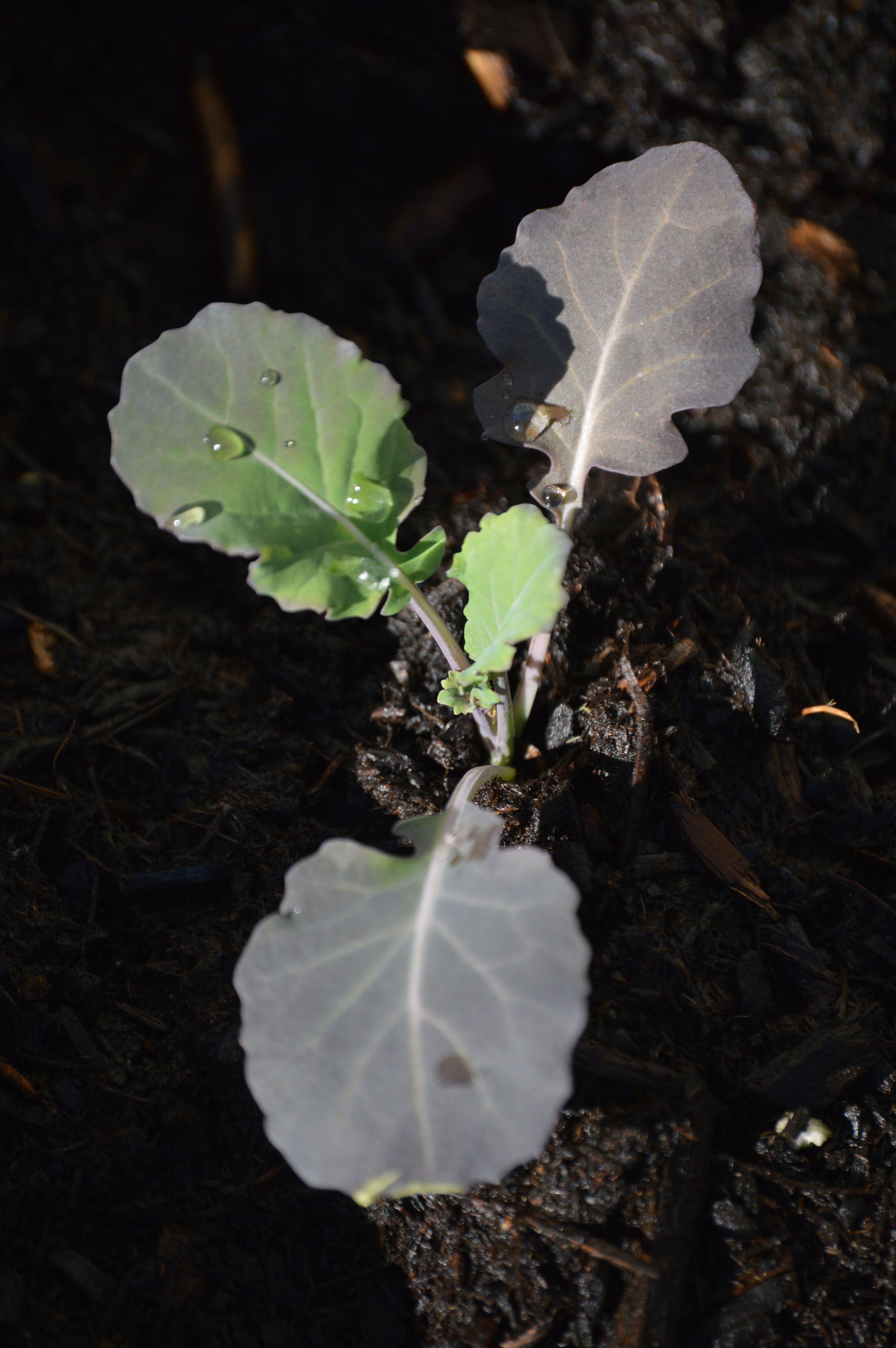
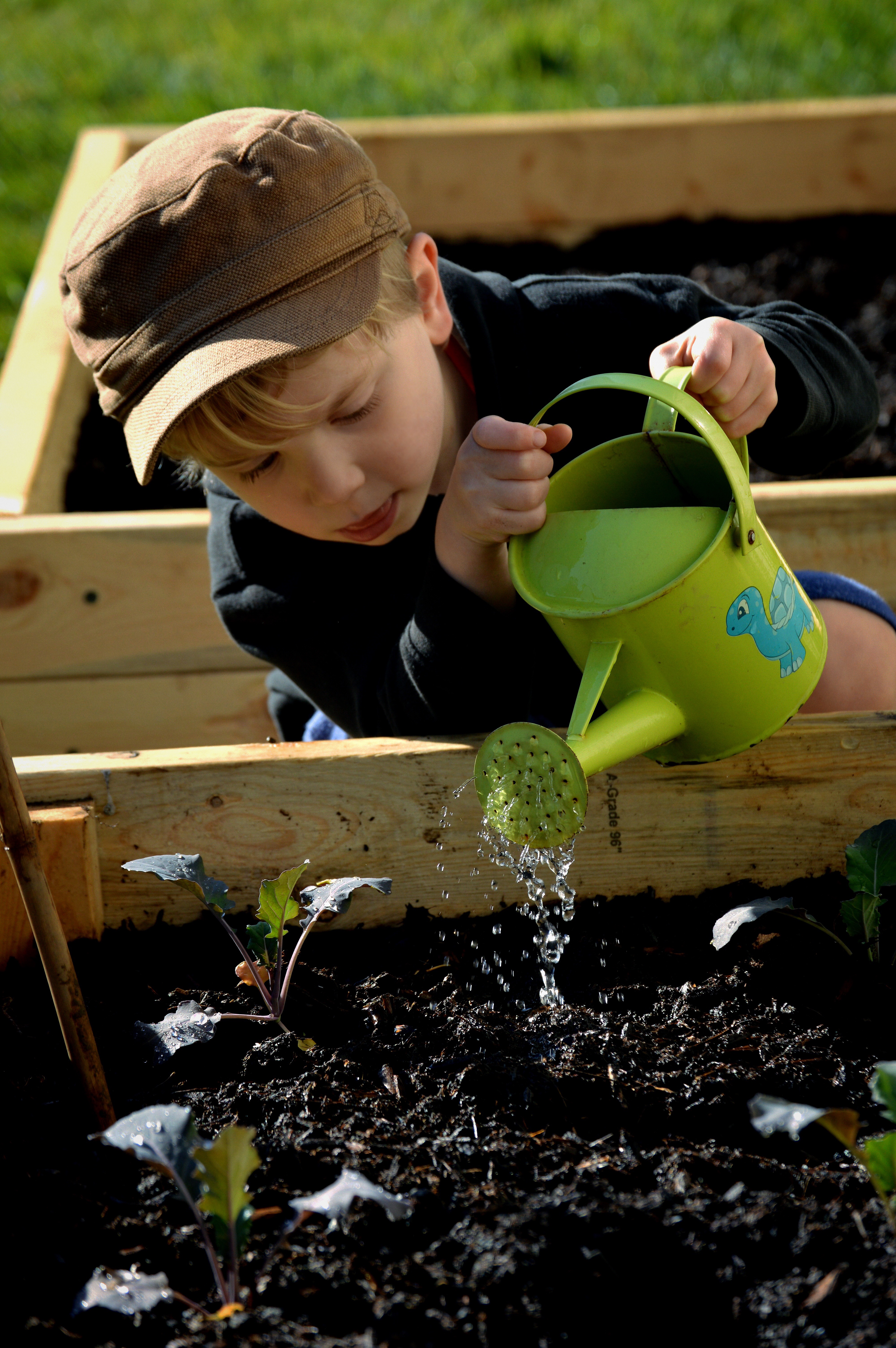
Gardens are so perfect for children. A feast for the senses at every level, a connection between what is grown and what is consumed by animals, insects and humans. And, most importantly, Practical Life. The ability to plant, care for, and harvest one’s own food. Even the youngest of children can help. 


Gardens can come in any shape and size. You can grow vegetables in a field, a large wooden planter box, in a small pot on a balcony or even a windowsill. 

If your thoughts turn to the fact that you do not have a green thumb, don’t worry. 

Your child does. 

  
Try sprinkling lettuce seeds into some soil, cover and leave a small spray bottle near by with a little water. Your child will feel such a sense of accomplishment when the first green stems poke through the soil. 

Spring: Naturally dyed eggs

  
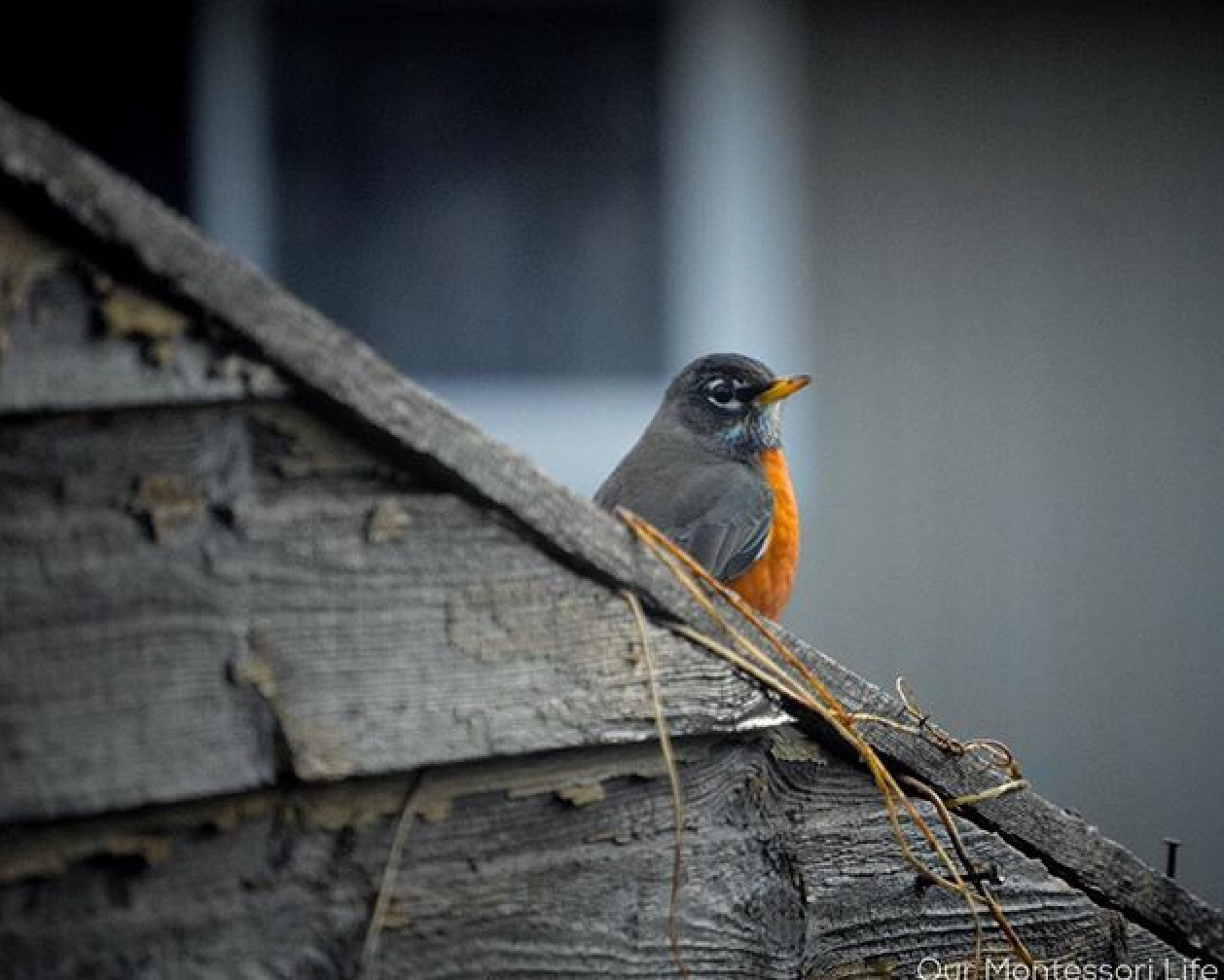
Sunshine, birds chirping and lots of time outside. We’ve been off on Spring Break and trying to spend as much time as possible together and relaxing. 
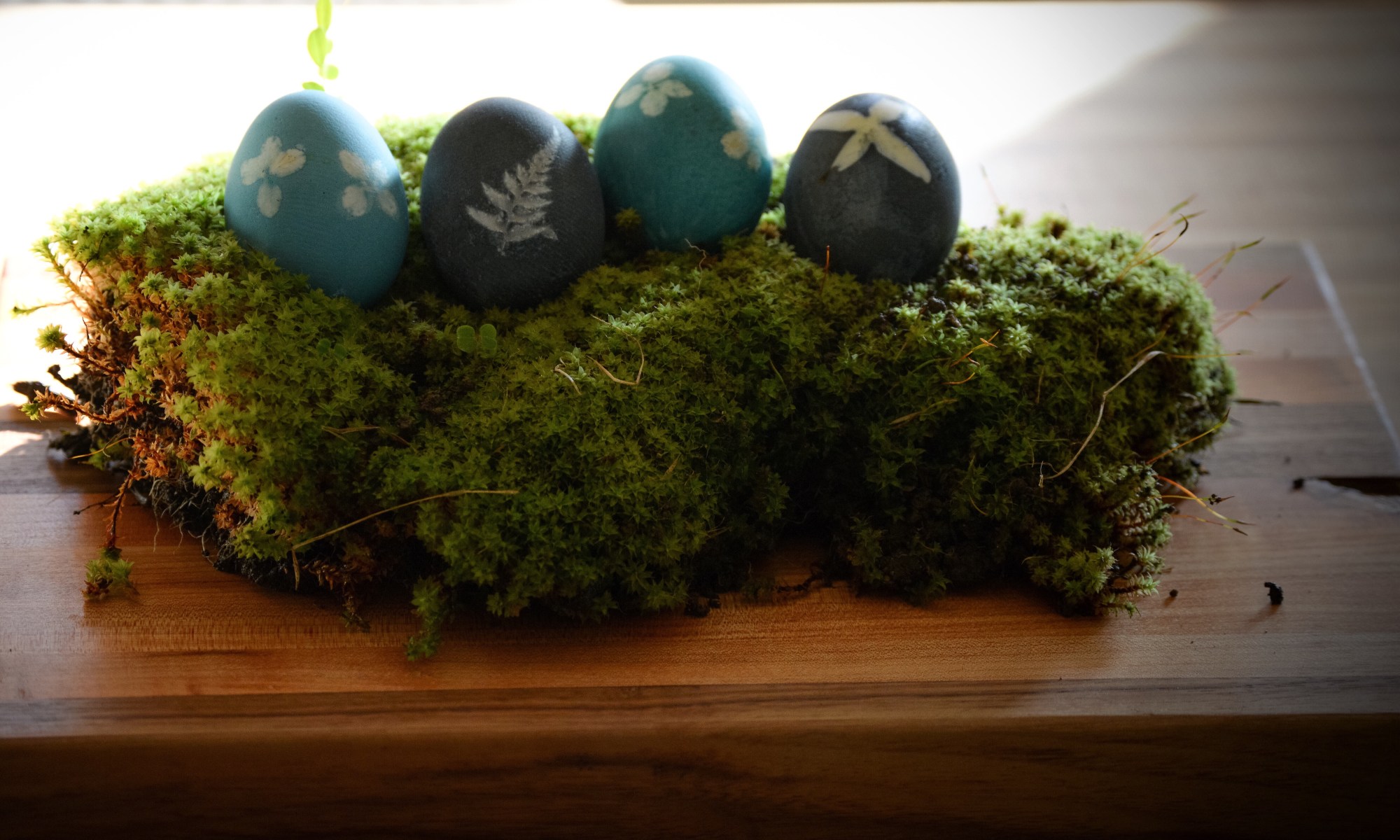
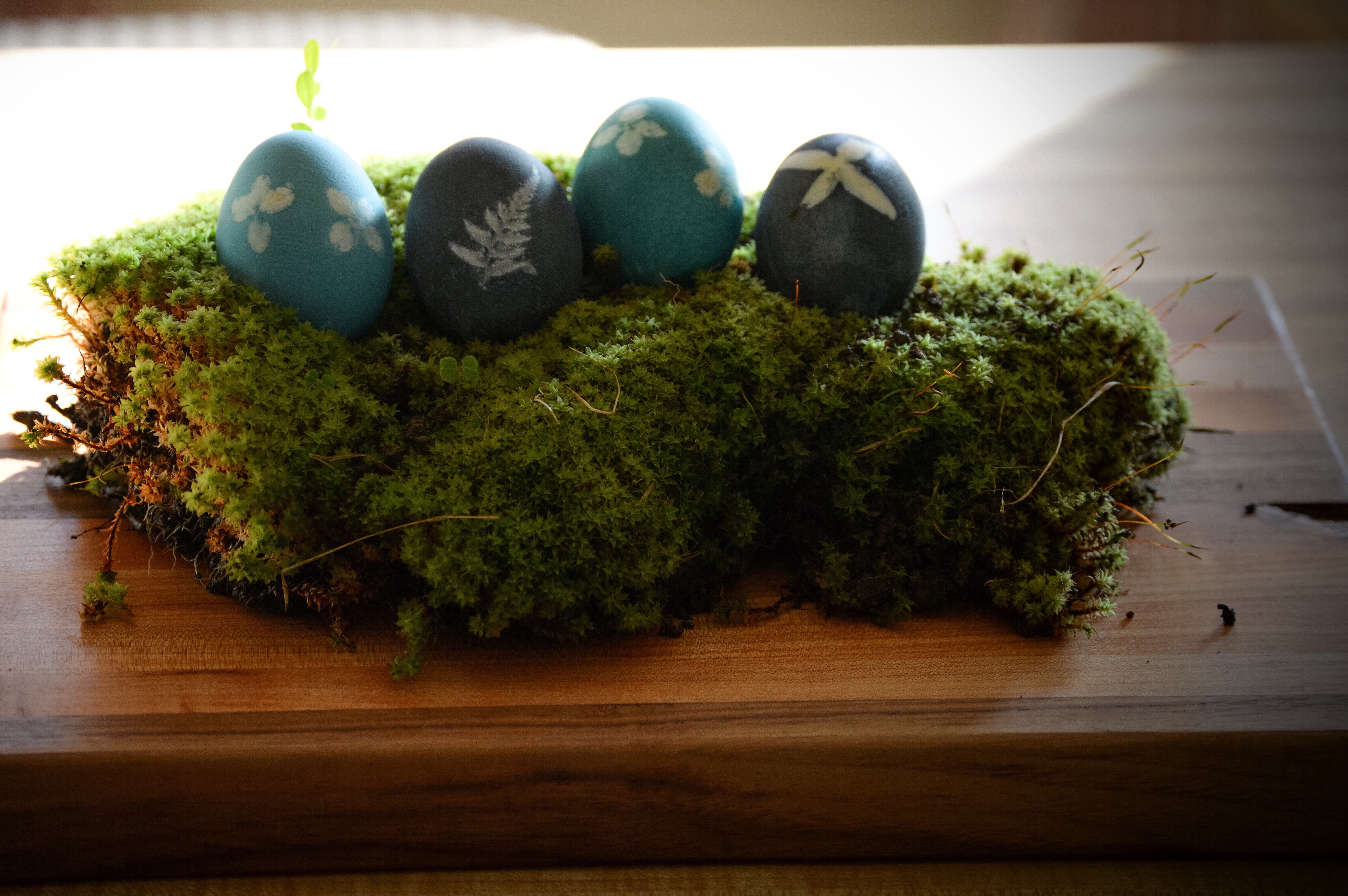
Egg dying was also on the agenda this weekend. Naturally dyed eggs are easy and fun for all ages. 

You don’t need much except patience. 

Materials:

  • White hardboiled eggs
  • Sheer stockings/pantyhose
  • Plant material 
  • Natural dying material 
  • White vinegar 
  • Tall mason jar

We used yellow onion skins, purple cabbage and blueberries. But the list goes on and on. Try experimenting with spices, beets, tea and anything else you’d like.

  1. Use one mason jar for each colour
  2. Put your dying material into mason jar
  3. Put in 2 tablespoons white vinegar
  4. Place a small piece of plant or flower onto egg (optional)
  5. Wrap egg tightly in stocking and tie it tight (optional, keeps plant material in place)
  6. Place egg into mason jar
  7. Pour boiling water into mason jar until egg is covered 

Leave for 3-6 hours, or overnight. 

Drain the jar when done, unwrap eggs and compost the dye material. Simple and beautiful. 

    
Have a safe and weekend. 

Sunday Book Club: A Nest is Noisy

  
We’ve been off on Spring Break here. It’s been quiet days filled with lots of outdoor time. 

One of our absolute favourite things to do is bird watching. I’ll go into more detail coming up later this week but I had wanted to share our favourite companion book for bird watching at this time of year. 

  
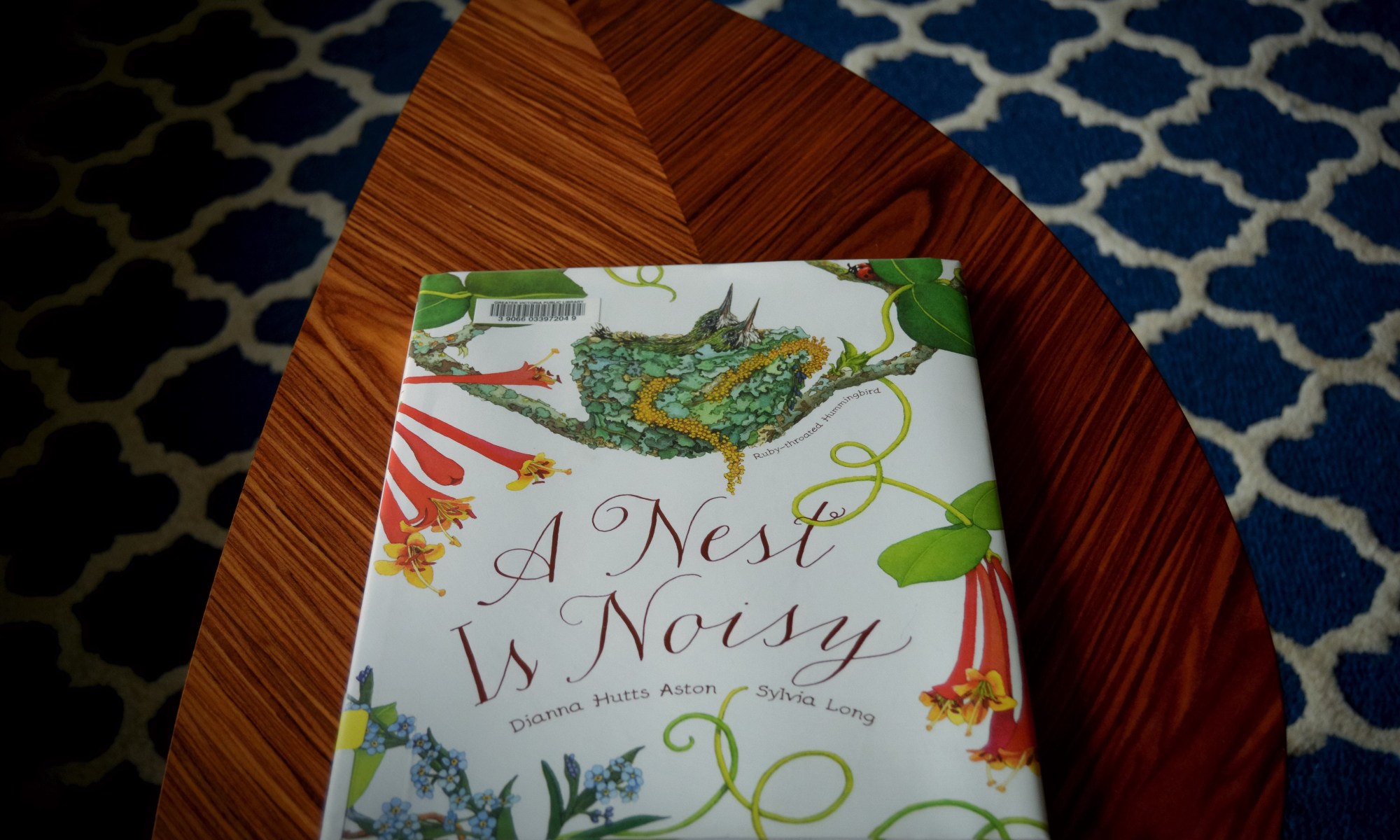
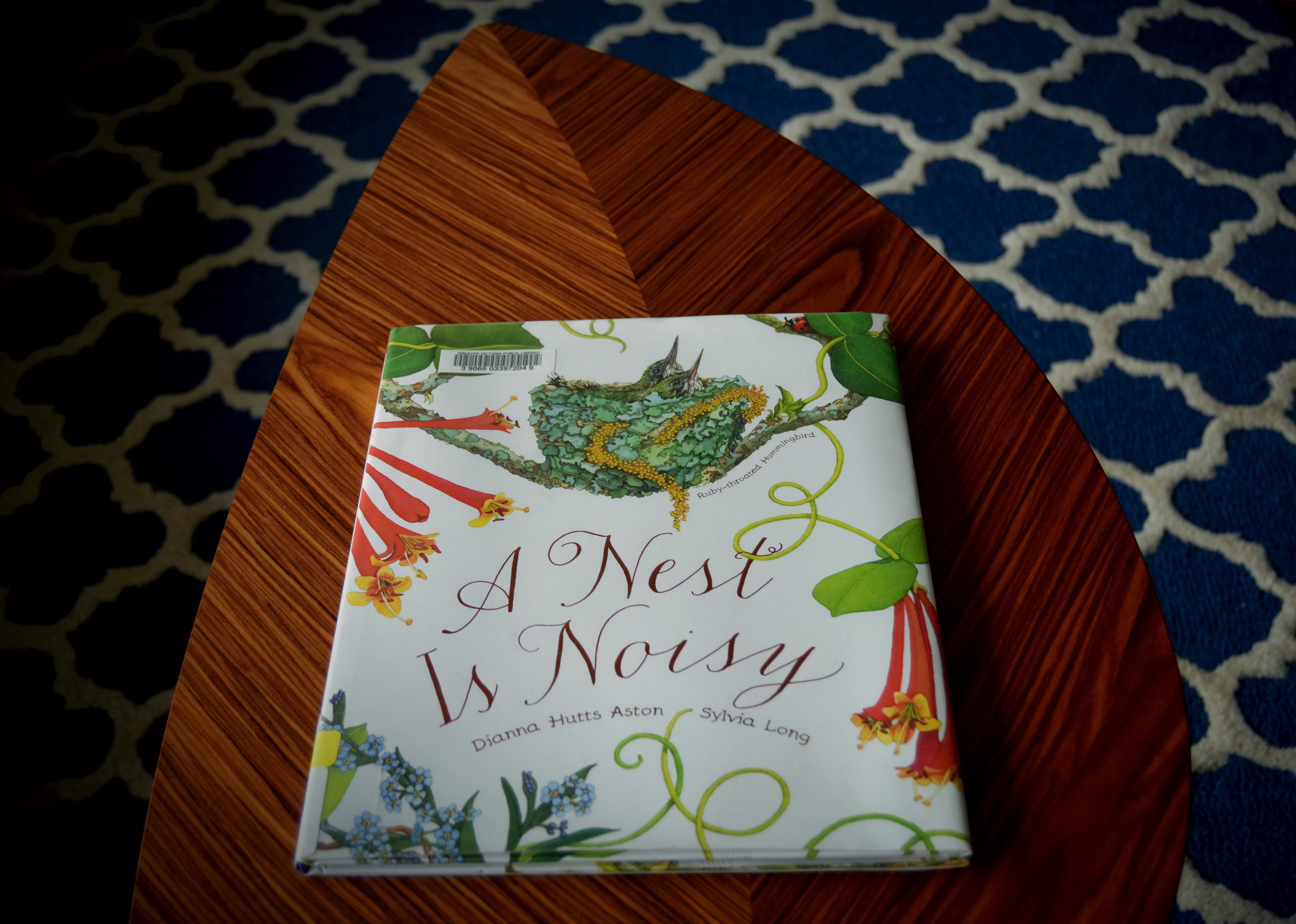
A Nest is Noisy by Dianna Hutts Aston
This book is part of a beautiful series and if you haven’t read it I would highly recommend you do. Lots of beautiful illustrations and interesting facts. We love it because it reminds us that it is not only birds that make nests. Many reptiles and mammals do as well. 

The coming of Spring offers such an amazing look into the animal world. We use this book to talk about different nests, how nests are made and also how we can help nest building animals ensured they have a safe place to build a home for their young. 

A Child in Nature

 We are going to take a break from our Sunday Book Club this week to instead tell you about this.  
I love spending time out in nature with both boys. We are lucky to live where there is such a vast and diverse wilderness. I also love reading about the different Montessori friendly activities out there for children and their families so when this came along for us I was interested right away. 

We have been reviewing Wild Explorers Club for the past 6 weeks. Their website is well put together and explains the entire two year programme really nicely. It is a monthly subscription service and at a cost of $12US a month I thought we got what we paid for. 

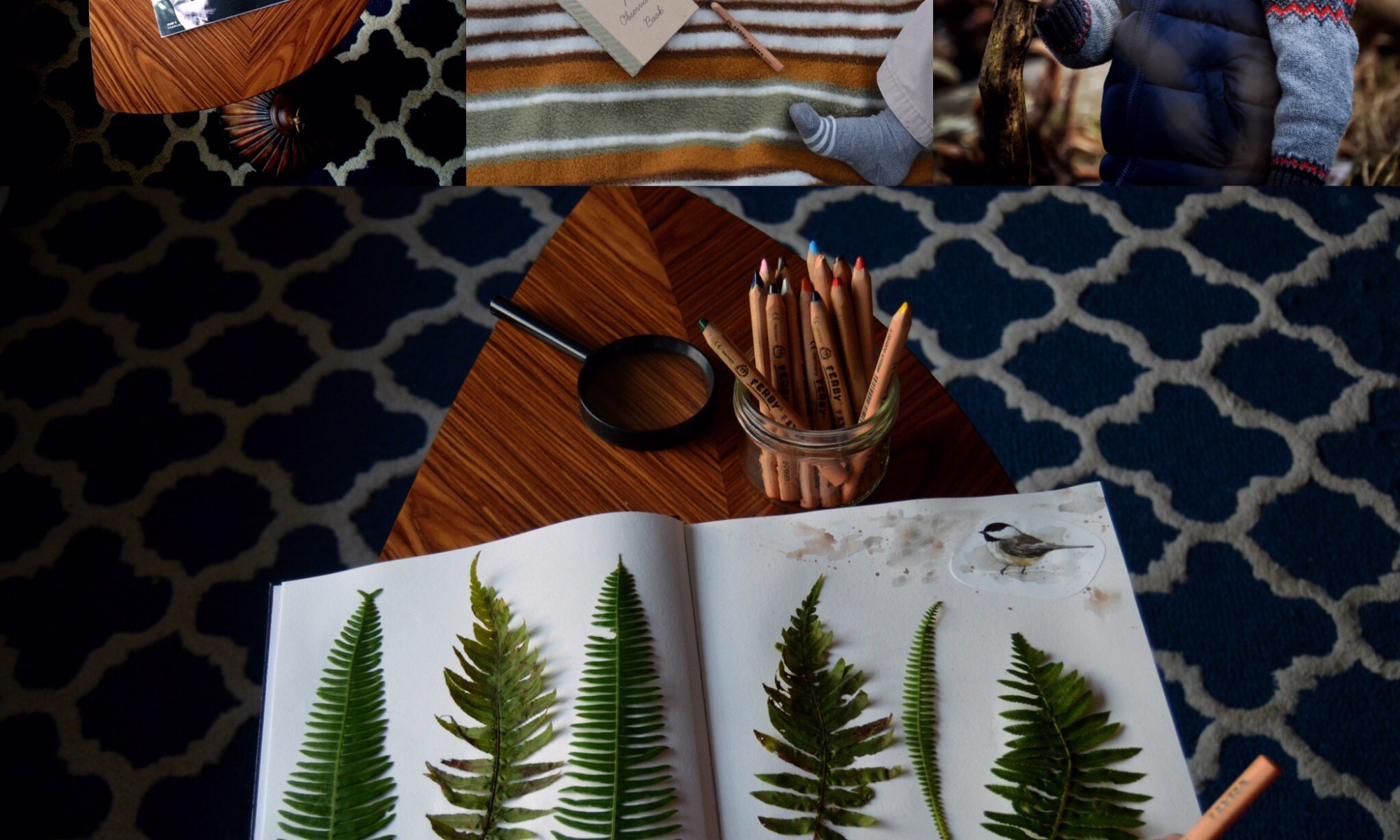
Each week there is a new activity for the child and their family to try. The programme starts when you sign up so you don’t have to jump in part way through anything. The first assignment was make an adventure pack. Others included hike a new trail, find a walking stick and make a nature journal. It includes a monthly paper magazine shipped to your door and all the weekly assignments and final certificate for a level are accessible on your account page and are easily downloadable. 

  
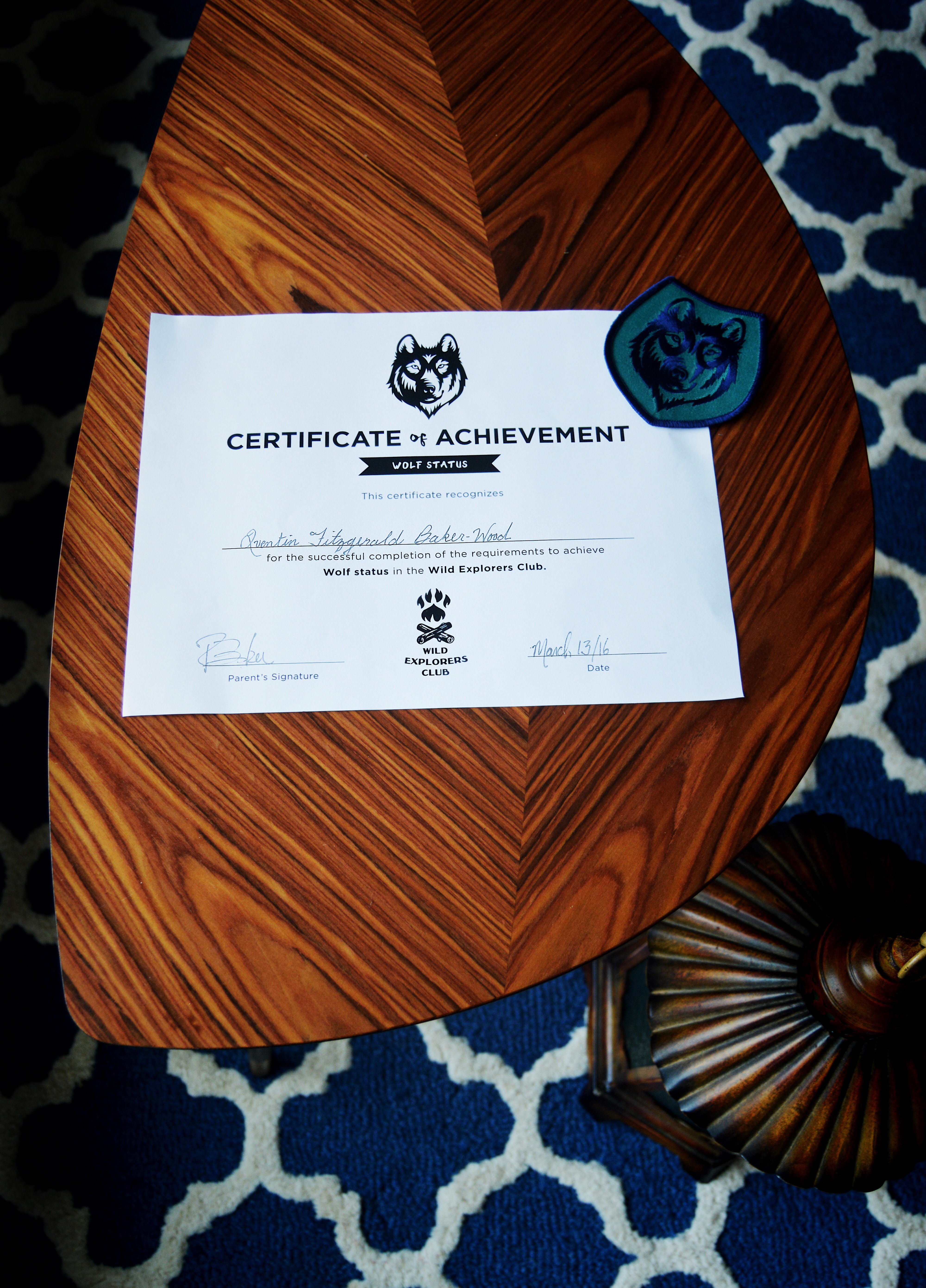
Quentin was so happy when his badge arrived in the mail. I’m not sure we will do the full two years but it has been fun for us so far and it helps motivate me to get us out and seeing the world. 
* All right, I’ll put up a disclaimer: We are not affiliated with Wild Explorers Club and I was not compensated for my review. All opinions expressed are purely my own. 

Our Week in Pictures

This week saw the weather get warmer, school wrap up before the Spring Break and Quentin’s asthma really dig deep and cause some hard days. 

We also had a lot of fun. 

  
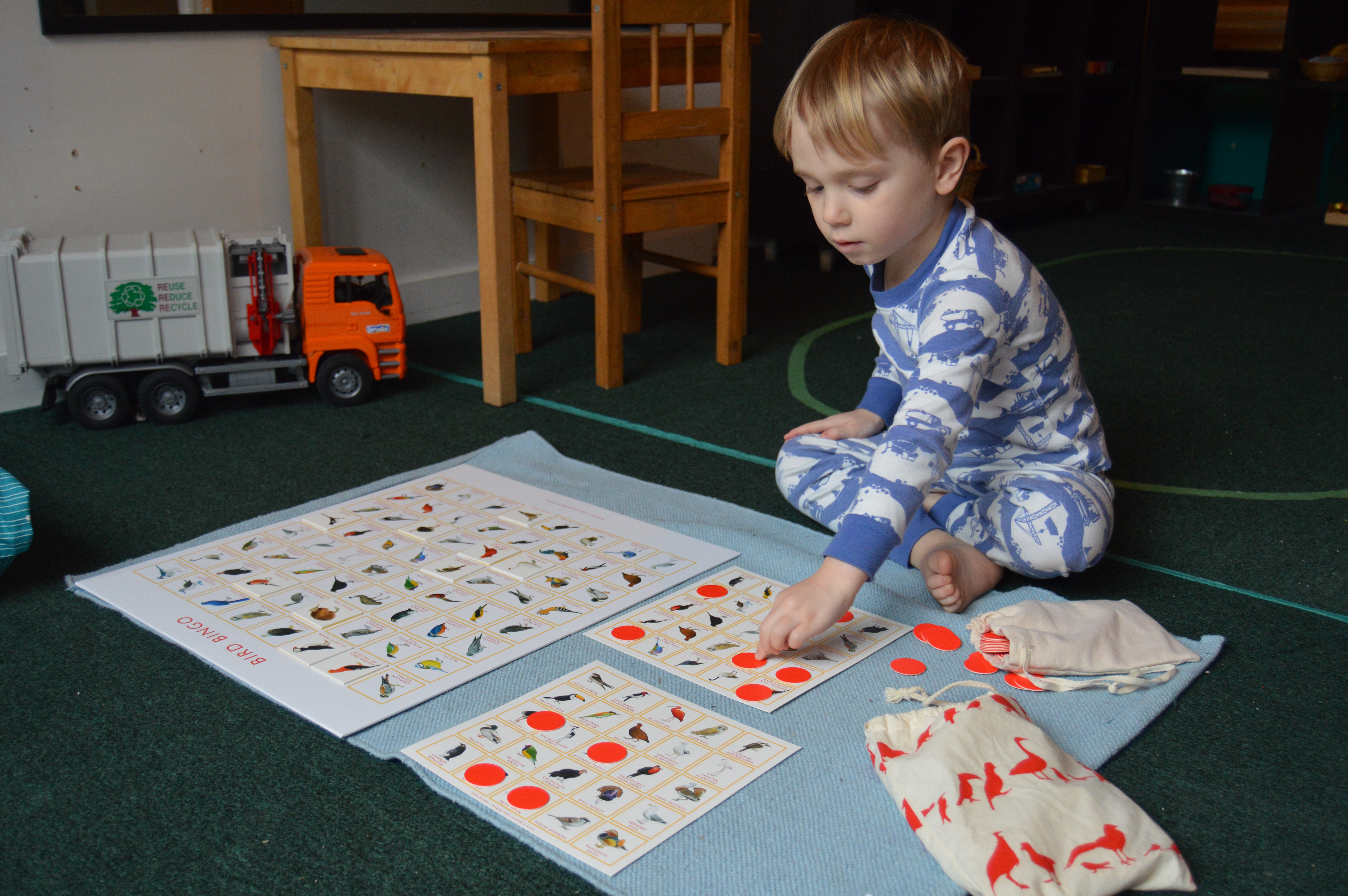
A quiet game of Bird Bingo

 
Making newspaper pots and having our submission to a child’s magazine featured  here
  
A quiet day home from school to fight an asthma attack. The farm is such a nice way to take his mind off everything. 

  
Feeling better and taking advantage of the warm weather. Working outside allows all of us to remember the importance of Gross Motor play. The air smells fresh and clean. Spring is here. 


Shadow puppet play is a nice way to end a week. We can all have fun with it and it lets Quentin develop language and story telling. Imagination at its best. 

Hope your week was a good one. 

Sunday Book Club: Something for the Teacher


My biggest passion in Montessori is the Peace Education component. Peace Education is sort of the overarching umbrella. Underneath that vast topic Stewardship is in there. 

While returning some books to the library this weekend, my eyes settled on the title of this book. It had me at the title, but the artwork stole my heart. 


This is a family book. I am reading it myself, Quentin and I are reading it together and our whole family can do the activities and follow the guidelines outlined in its pages. 

It’s broken down into three sections:


It has sections on what an unhappy animal looks like and what we can do to change that.  There are activities like making a worm compost, a mason bee house, and items needed on a forest hike. 

I won’t spoil any more of it. This is one every school, home and children’s group should have on their shelves. It can be found here, or try your local library. 

Sunday Book Club: Seeds and planting

  
The first blossoming fruit trees are in full display here and so Spring is on our minds.

 This week  I gathered materials for planting some of the now rooted Maple keys around our front yard. 


To go along with this I rotated in some of our favourite planting books for Quentin. 

  
A Seed is Sleepy by Dianna Hutts Aston
This series is my absolute favourite nature series for children. The art is beautiful and detailed. I use it in my 3-6 class and we’ve enjoyed it here at home since Quentin was one. 

  
Grandpa’s Garden by Stella Fry
This one has been with us a long time as well. A simple story of a boy and his Grandfather through a year of organic gardening. It has tips and tricks at the back as well as a “garden map” to help you plan your design. 

  
If You Hold a Seed by Elly MacKay
I often have Elly MacKay books listed. If you’ve read them it’s easy to see why. Her style of artwork is stunning and her stories are beautifully told. This one is perfect for our Maple key planting. It tells the story of two lives: a small boy and a tiny seed. 

I’ll do another post regarding our planting. If Spring has not yet found your part of the world, take comfort in knowing that it isn’t too far off. 

Sunday Book Club: Our favourite Big Idea books

This week has been busy for us. However, we have been exploring big concepts with Quentin and I thought I’d share some of the best books for children that look at abstract ideas. 


All of our selections give interesting facts and leave the dialogue open for more discussion. We purposely looked for facts that were interesting but not alarmist for a young child. 
    

You Are Stardust by Elin Kelsey

“If you were a planet, you’d be a lot like the Earth. Rainforests on land and algae in the oceans are the Earth’s lungs.”

A book detailing the connections between the Earth, it’s creatures and the child. So stunning and absolutely fantastic. 


 Wild Ideas by Elin Kelsey

“If squirrels can learn to cross roads by watching people, what can you learn by watching squirrels?”

A book that celebrates the nature of problem solving. It shows children that it’s okay to have problems, and just like animals people are capable of using their minds to come up with a solution. A valuable lesson for all of us. 
  

If: A mind bending new way of looking at big ideas and numbers by David J. Smith
“If the Sun were the size of a grapefruit, Earth would be the size of a grain of salt.”

I love big concepts. This book is ideally suited to the next Montessori Plane of Development, however Quentin can grasp some of the concepts and we enjoy talking about them. 


4,962,571 by Trevor Eissler
This is a long time favourite here. Written by Montessori advocate Trevor Eissler it tells of a boy who wants to count to a really big number. It is an excellent book for any 3-6 child who has moved on to the Golden Beads in the classroom, or a child who is intrigued by the prospect of counting leaves on a tree. 
Happy Sunday 

Sunday Book Club: Our favourite fictional Winter books

Yes, Spring is right around the corner, but it is not here yet. So I thought I’d share our cosiest books to curl up with under a blanket.

   
 I had a friend ask about children’s poetry, and I have included some. I find it’s a hard balance with kids poetry. I’m not looking for silly, but I am looking for rich language that can be understood by a young child. Not easily found in the poetry section. 


Montessori friendly fictional books are no different than non-fiction. They are beautiful, rich and ideally reality based. This last part is a bit tricky when dealing with fiction.  I don’t mind a bit of whimsy, but I try to leave out the anthropomorphic animals. 

  
Fox’s Garden by Camille Garoche 
This is part of a wordless books series. It is a beautiful story of a child’s compassion. The artist works in paper cutout dioramas and the pages are stunning. 
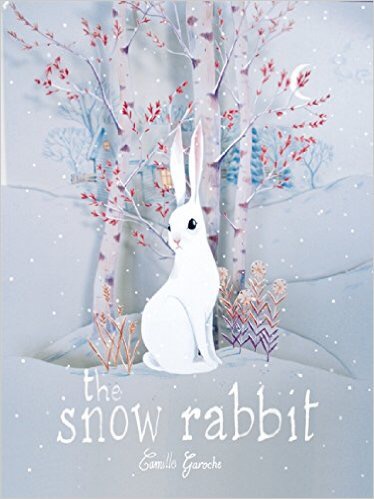
  

The Snow Rabbit by Camille Garoche
Yes, this author and her wordless books have made it onto this weeks list twice. But if you’ve read these stories, it’s easy to see why. This is her latest, published only last Fall. I love how the child gets to make up the story from the beautiful dioramas pictured in the pages. The simple, selfless love of a child for her sister is the theme of this book. I love that these books get Quentin talking about what he’s seeing in the pages. These are great books for anyone looking to explore emotions or virtues with a child.
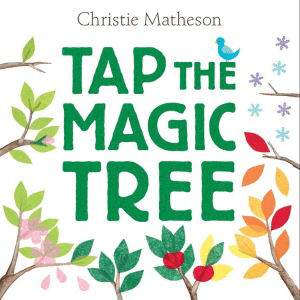
  

Tap the Magic Tree by Christie Matheson
Given to us by a close friend years ago, this book continues to be one of Quentin’s favourites. It can be enjoyed by a child as young as 18 months (or possibly younger) and it is perfect for the child who has trouble sitting still through a story time. Lots of actions like tapping, knocking and shaking the tree make this a really fun book for the younger child. I like that it goes through the seasons in a simple way and shows the differences.


Good Night Songs: A Celebration of the Seasons by Margaret Wise Brown
I am always interested in the hidden work of authors that is published posthumously. Especially ones from my own childhood. So when this was published last year I hurried to get my hands on a copy. Such a beautiful quiet day or bedtime book. Simple poetry and songs that Quentin really enjoys. Our copy came with a cd as a bonus. 


Once Upon a Northern Night by Jean E. Pendziwol
This one surprised me. I was looking for something else and it caught my eye. I’m so glad it did. A soft and gentle lullaby about a small child going to sleep while the rhythms of  nature continue on all around. This was another good find of poetry for young children that wasn’t fantasy based. Just a simple account of a child going to sleep, but so beautifully written. 

Sunday Book Club: Our Favourite Science books 

  
I am loving the science books spread out all over the house this week. 

Quentin is really coming into an interest in the natural world. Until recently I have always struggled to find good quality science books that offer interesting information, yet keep it at a level that will engage him.

  
Here are some of our favourites: 


Animalium by Katie Scott

The animal kingdom like you’ve never seen it. This book has become a favourite around the world and opening the first page it’s obvious why. It’s a must have for Montessori book shelves at home and at school.  


Story of Life: Evolution by Katie Scott
More of a fold out timeline than a book, it is stunning. I have never seen a timeline done with such detail and beauty. Although this concept isn’t introduced until the 6-9 Montessori classroom, Quentin is fascinated by the different creatures and the information given for them. There is information on one side and pictures on the other and it’s just executed so perfectly that even a young child can take pleasure in reading it. If your child loves dinosaurs, mammoths and everything in between, this is the perfect book for you. 


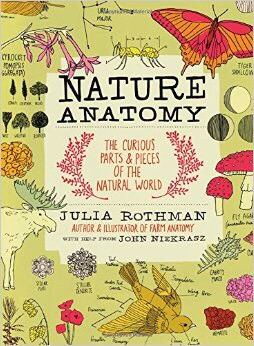
Nature Anatomy by Julia Rothman
This is my favourite over all Natural World science book. It covers everything, not just animals, is small enough to tuck into our hiking pack and is easily held by little hands. 
  

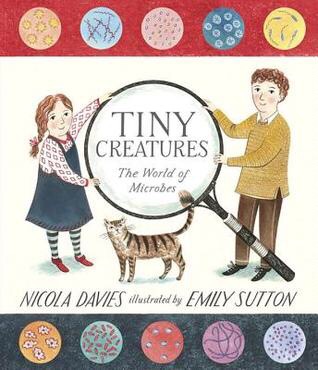
Tiny Creatures: The World of Microbes by Nicola Davies
This one is right on the cusp of Quentin’s understanding. He loves this book because it’s subject matter ties in so well with the use of his new microscope. He is beginning to make the concrete connection to the microscopic world. Our nature table is a great place to find things to put under the microscope. When we go for nature walks he will now find something and ask what it might look like under the scope. This, like all the books on this list is a book he can grown into. He enjoys it now, but his true understanding is yet to come.