Sunday Book Club: Fall Leaves

I love a good Autumnal picture book. 


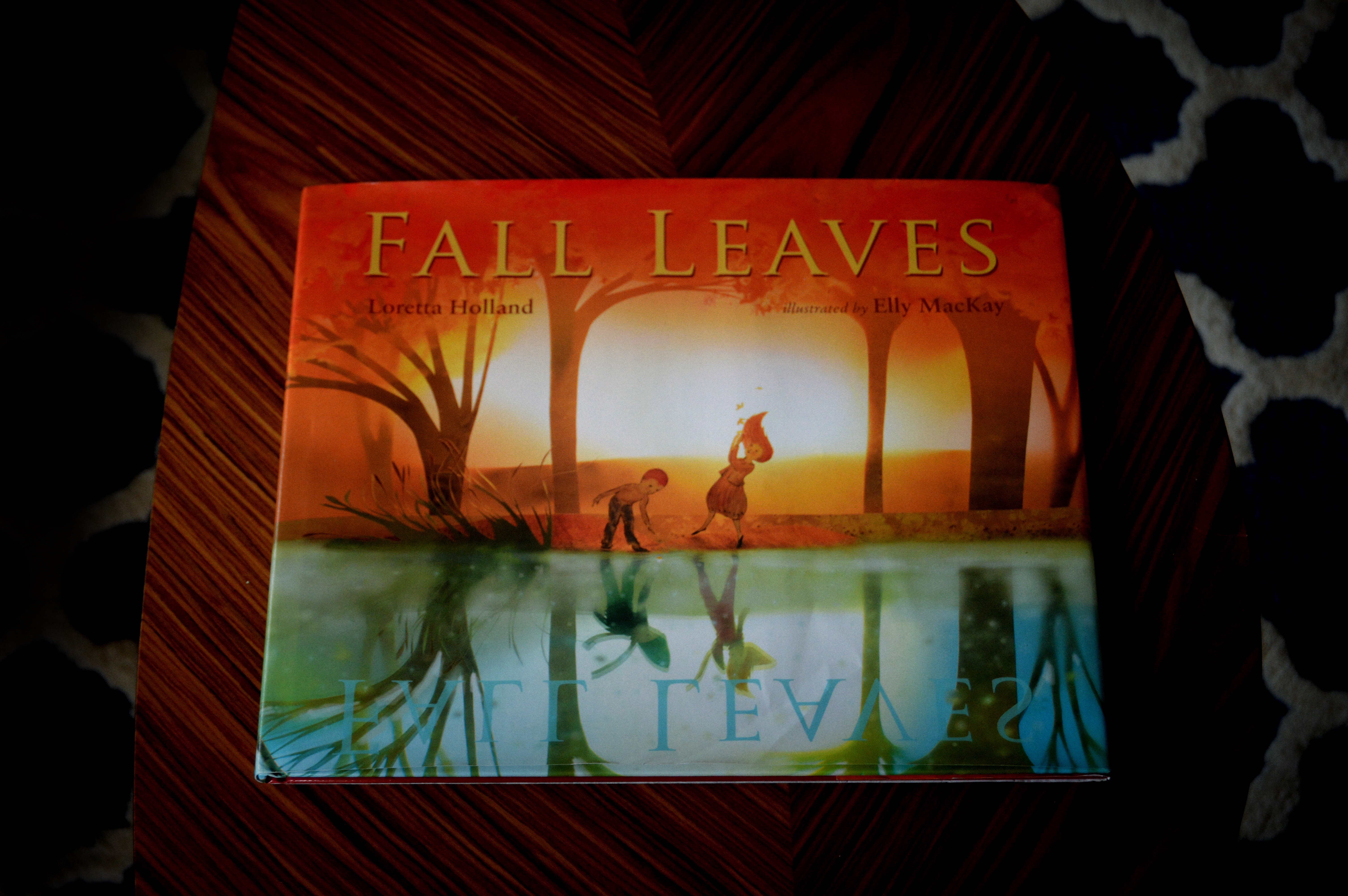
Fall Leaves by Loretta Holland and Ella MacKay
This has been one of our favourites for a while and it’s always a little bittersweet for me pulling it out of storage. It means that Summer has gone. 

So, on this our Canadian Thanksgiving, I thought instead of feeling wistful, I would share it with you and welcome in Autumn. 

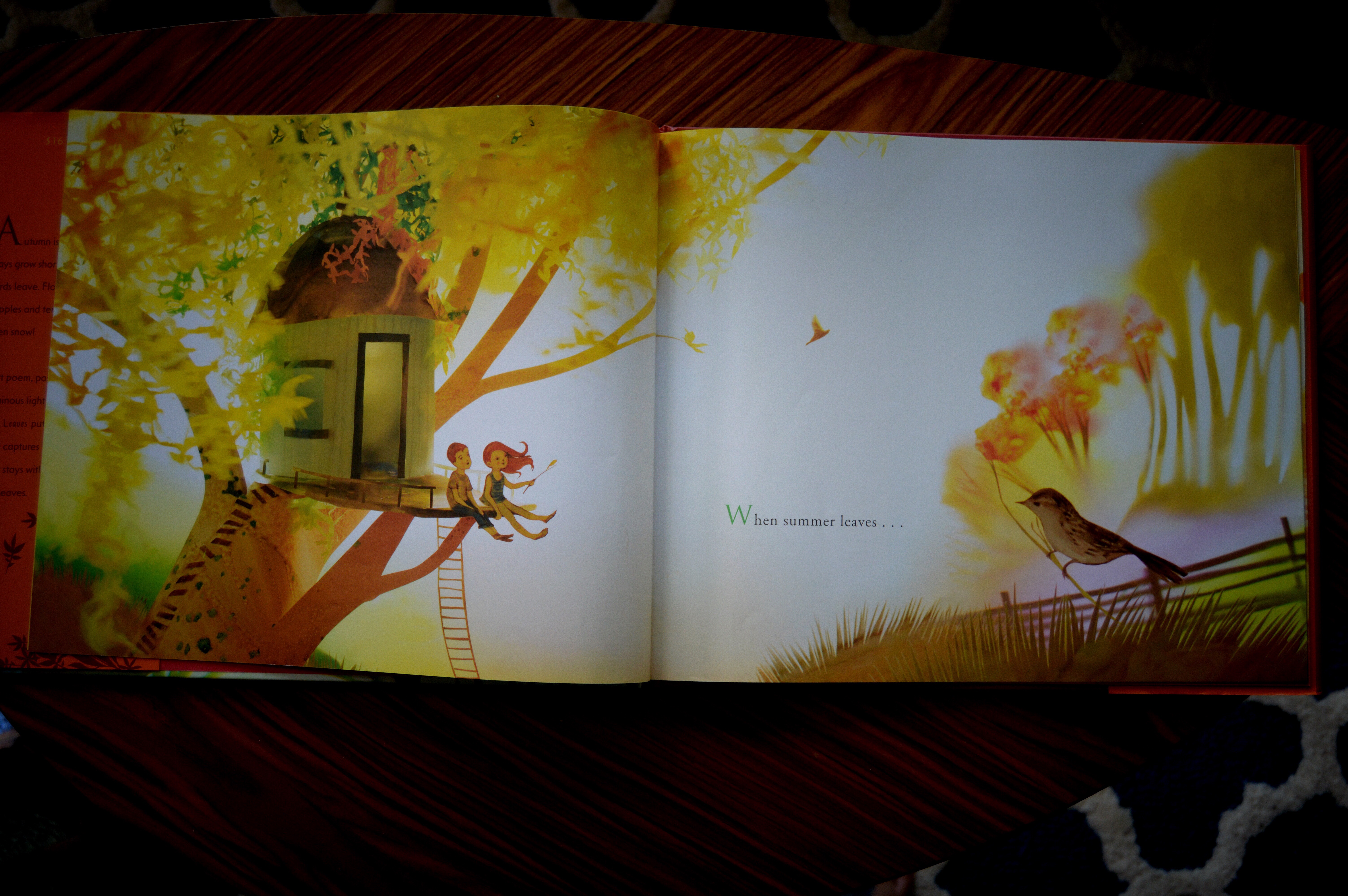
Elly MacKay’s paper dioramas are stunning as always. What we love about this book is that the text is simple but pared well with more detailed information such as the migration of geese, weather patterns and the shortening daylight. 


A good book for costing up under a blanket with. 

Our Montessori Day at 4yrs old. 

Quentin and I are off together on Wednesdays. I thought it might be nice to capture our day in pictures. 

We don’t keep to a schedule. Like school he is free to choose his own activities. We also have limited academic focused materials in the home. True learning is holistic, and like and authentic Montessori environment, there is so much more to experience than just the academics. 

Instead it is more of a gentle rhythm that guides our day. 

And so here it is:

8:00am 

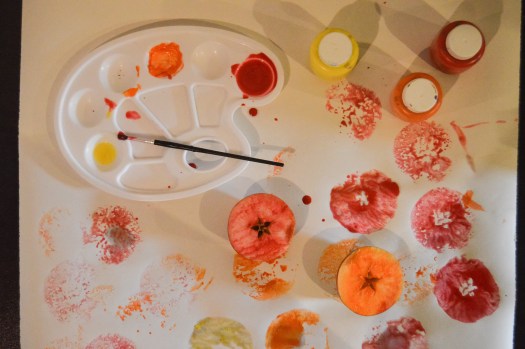
We are finished breakfast, gotten everyone else out the door, and have tidied up. I set up an art invitation. Quentin rarely chooses Art independently. Providing a prepared invitation while keeping Art free form can give the reluctant artist a chance to explore new things. 

In Montessori, Art at this age should never focus on the product. Only the process.


9:00am

Quentin chooses a Nature Study walk next. We head upstairs to get dressed and pack. At 4 he chooses his own clothes and dresses himself completely independently. Sometimes his socks or underwear get stuck, but for the most part it’s all him. Then it’s teeth brushed, hair combed and face washed. Having a Care of Self space in the bathroom mean these tasks (with the exception of toothbrushing) are also independently completed.

9:20am

Quentin escaped “preemie-hood” almost scot free. His lungs still need extra help everyday. 

9:30am

We arrive at our selected spot for the day. We live in an extremely eco-diverse region of Canada. We are lucky enough to have so many different nature choices around us. 

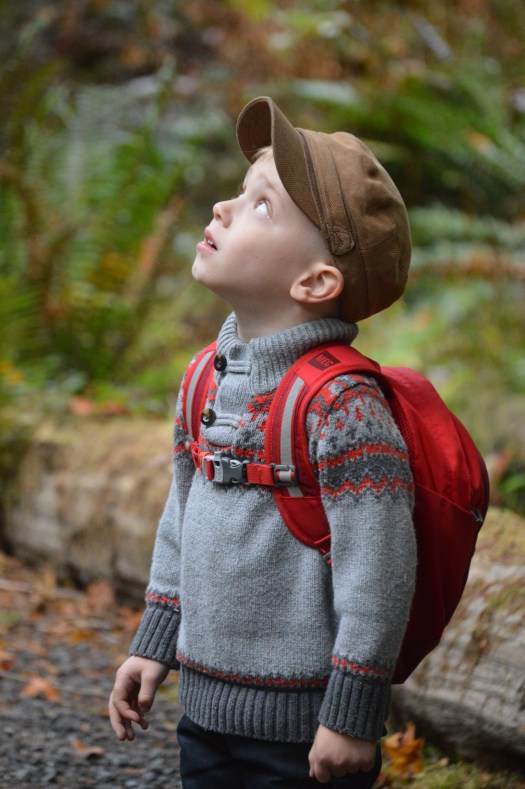
Today, Quentin chose the rainforest. Our Nature Study is child led. We stay as long as he wants to, stopping to observe something when interested. 
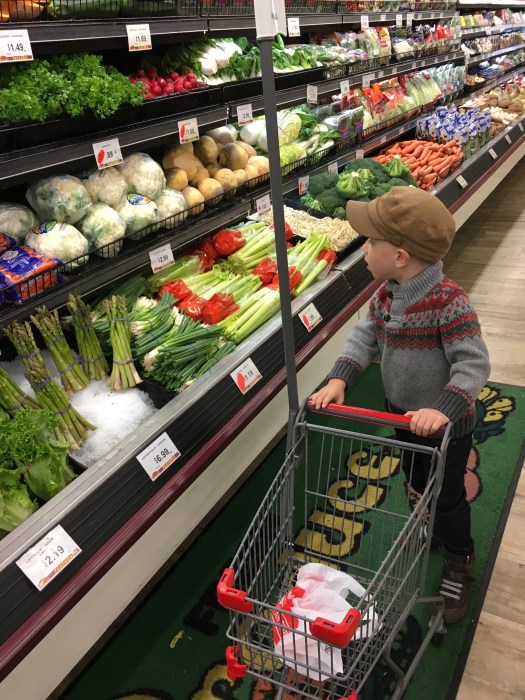

11:00am

We have come out of the forest and into the grocery store for lunch necessities. Small carts and lots of patience from adults help a child contribute to the family food prep. 


12:00pm

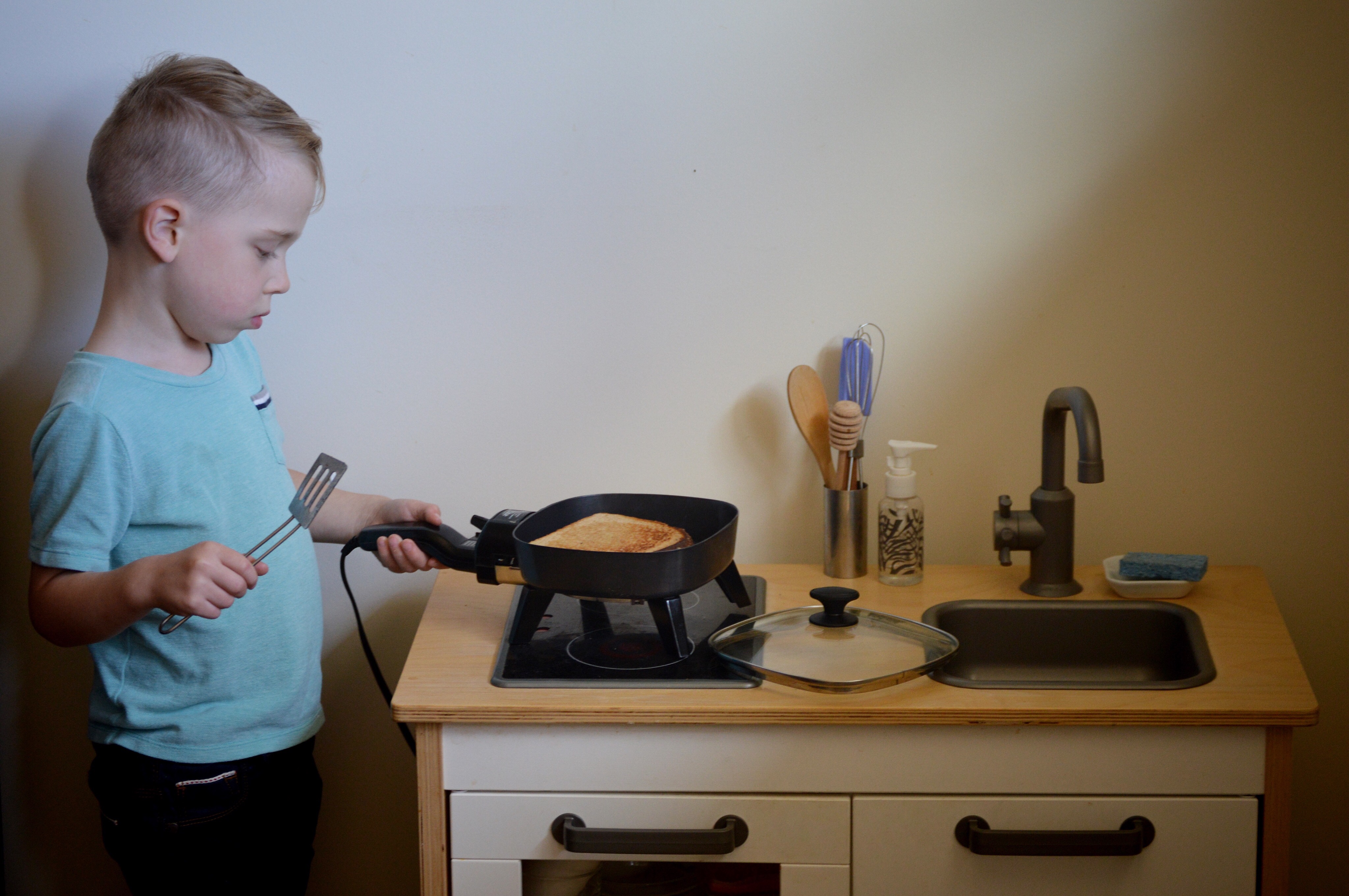
Back at home, and groceries put away, he decides on a hot sandwich to have with his fruit and veggies. A real child sized kitchen is essential in the Montessori Home environment. This is were Practical Life began all those years ago. Now, he stands quietly concentrating. He knows the skillet is hot and requires his attention. 
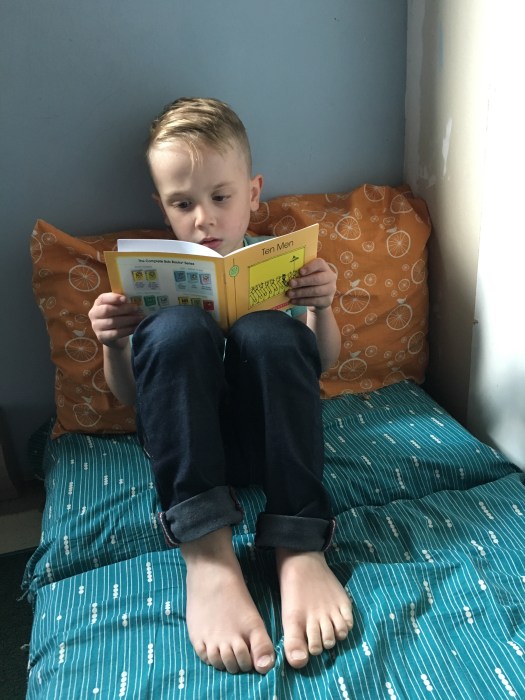

12:30pm

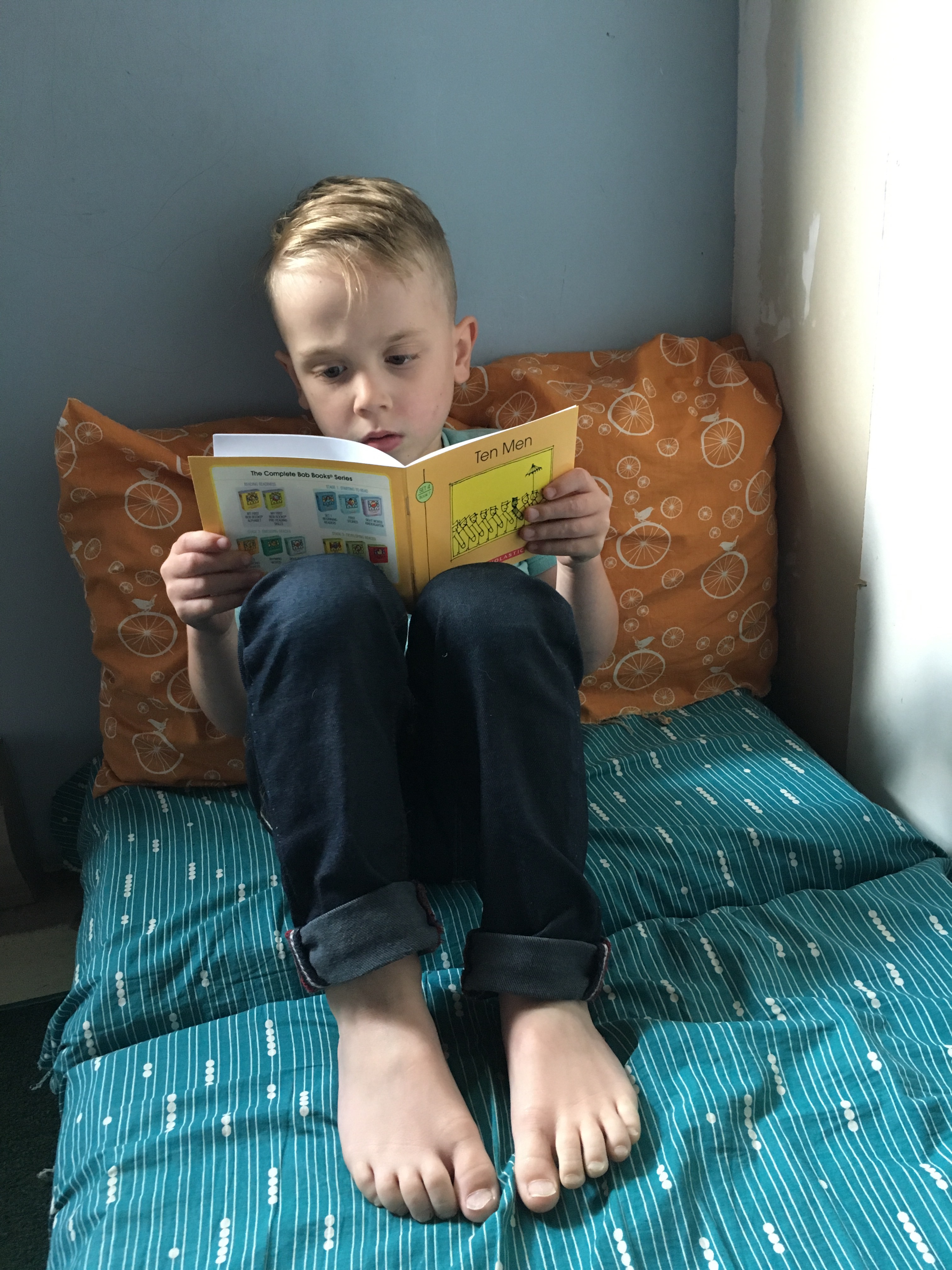
His reading is really picking up. He can read most CVC words and is beginning to work on phonograms. He chooses to come to his work space after lunch and get out his current reader. 


1:00pm

Self directed rest. He rarely makes it past 1pm. 

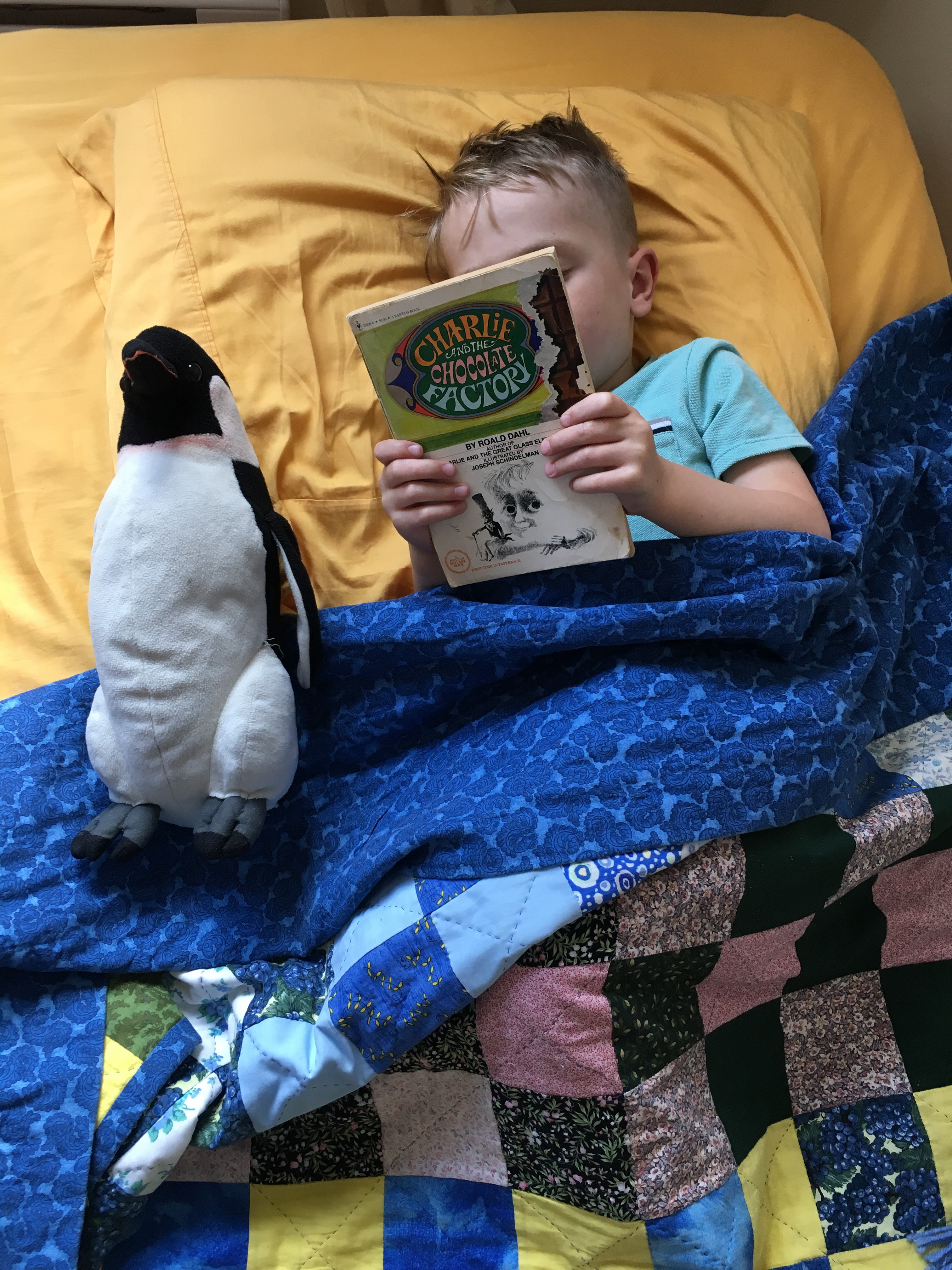
I find him in bed holding our current chapter book. “I’m ready for my rest Mama.” He is asleep before I finish reading 2 chapters. He usually naps 2-2.5 hours. 

1:00-3:00

This is my time to do what I need to. Dishes some days, cleaning or laundry others. This Wednesday afternoon was unexpectedly sunny and warm, and it couldn’t have felt more like Autumn. 

So I took advantage of the rare moment and took my book and a cup of tea out to the front deck to bask in all the golden warmth of the afternoon sun. 

Parenthood can feel like a whirlwind. Self care is what we teach our children but we often forget how important it is for us. 
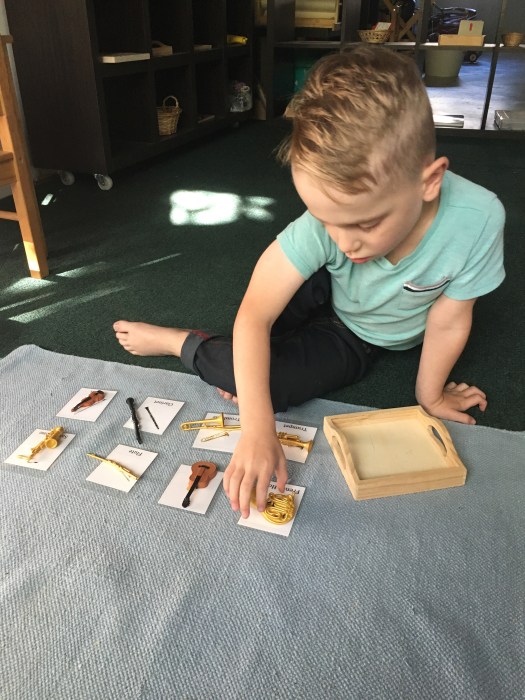

3:30pm

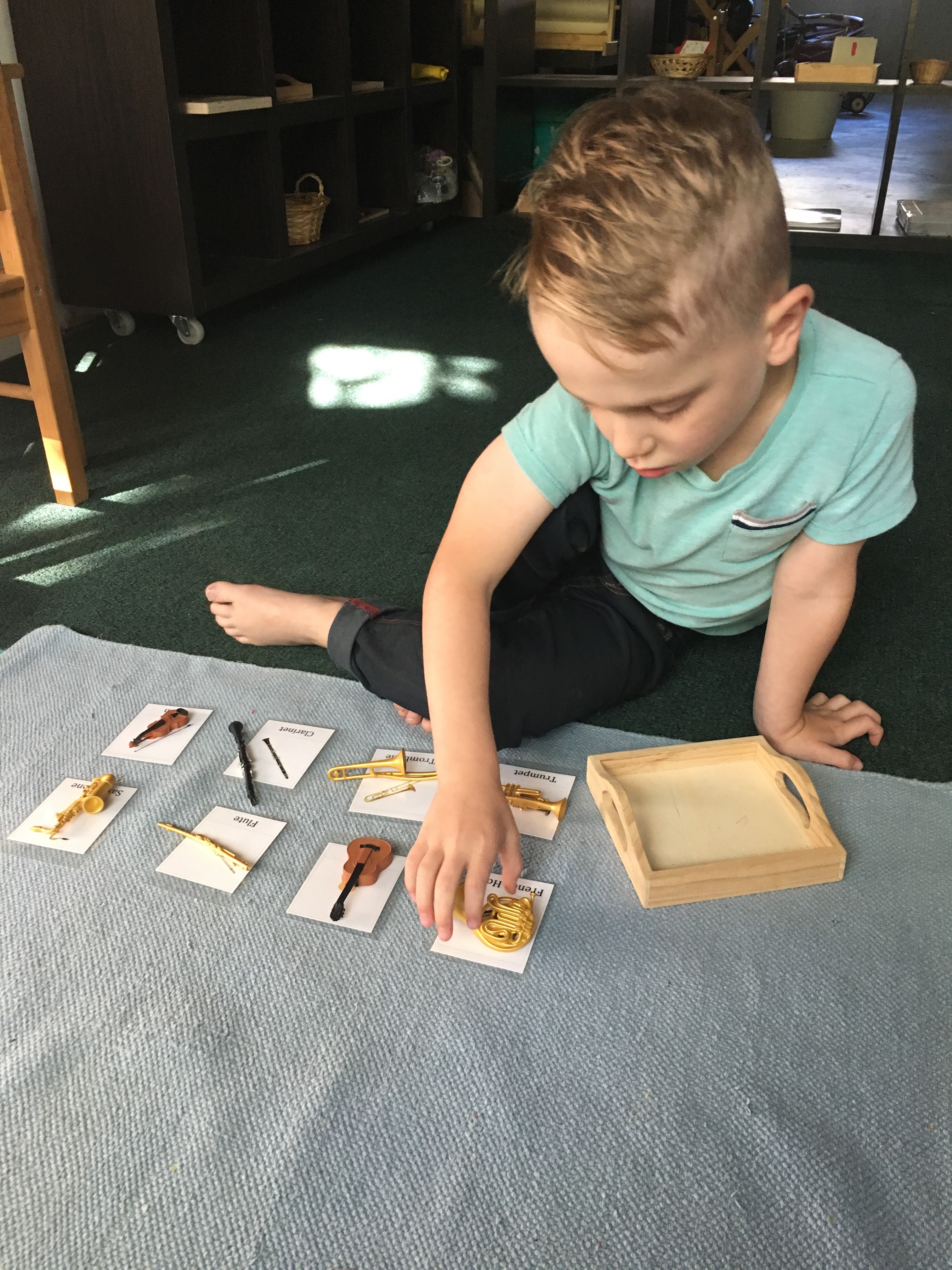
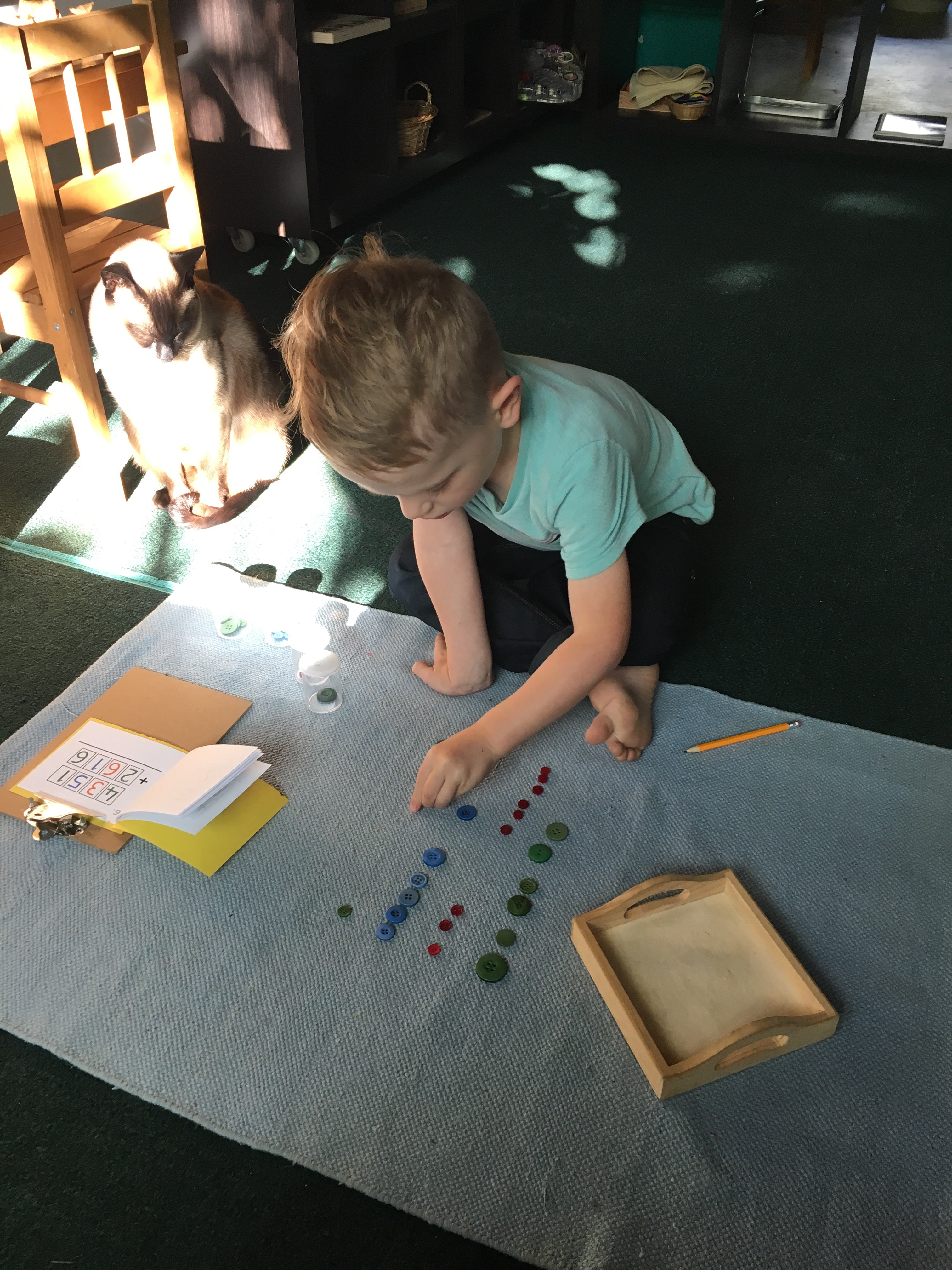
Up from his nap and a tummy full of snack, he goes to his work space and freely chooses work. The light has changed. This room gets the afternoon sun and it’s interesting to observe Quentin in this space. In the quiet blue light of the morning, his work is slow, and simple. In the afternoon light, it changes completely into quick paced and purposeful. He works quickly laying out materials, finishing, and getting out the next thing. 


Next he chooses the DIY Stamp Game we made together over the Spring Break. This is a long work requiring lots of steps. Montessori allows a child to choose work when they feel called by it. To ask him to complete the Stamp game at 9am would have led to disaster. Him choosing to do it at 3:30pm when he is alert and in the right mind space leads to complete success and the positive experience to come back to it again another day. 

4:00pm

Anthony returns from school and my husband returns home shortly after. Quentin will often continue in his work space, choosing different activities or come up to the kitchen and help prepare dinner. 

After dinner there are walks in the neighbourhood if it’s nice out or playing together as a family if it’s not. Then the bedtime routine of bath and story and he’s asleep by 9pm.

Our days rush by all too quickly it seems. Stopping to capture them is something I need to do much more often. 

Practical Life: Kitchen tools at 4 years old

“Any child who is self-sufficient, who can tie his shoes, dress or undress himself, reflects in his joy and sense of achievement the image of human dignity, which is derived from a sense of independence.”  – Maria Montessori

Quentin has been prepping food and since he was 17 months old.


At 4 he is fairly self sufficient. 

We have recently added cooking with heat as seen here in this post. Having child sized real tools is crucial, but so is trusting your child. He now uses a regular kitchen knife. It is sharp enough to cut through carrots and other hard vegetables. His electric skillet (we use this one) gets hot enough to actually cook things quickly. This is not carelessness on our part. It happened slowly, with small steps mastered first and of course there is always adult supervision. 

The items pictured above are his most used food prep tools. The small grater is perfect because it has many attachments so he can use it as a grater, zester, juicer etc. 
His small rolling pin is the perfect weight for his still tiny hands and he has become pretty good at rolling out pastry. 

The kitchen is such an integral part of the home. It’s where families come together. If your child has yet to try some food prep, start slowly. Observe them to find their interest. Being in the kitchen is a wonderful way to connect to each other. 

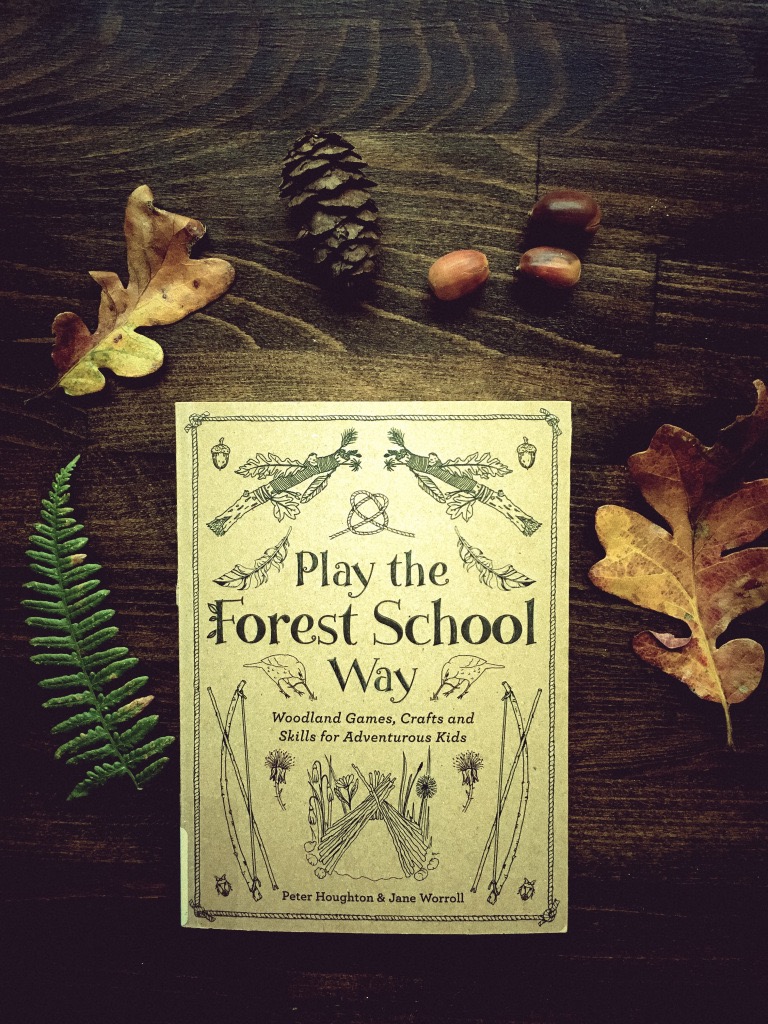
Sunday Book Club: Play the Forest School Way

“Let the children be free; encourage them; let them run outside when it is raining; let them remove their shoes when they find a puddle of water; and, when the grass of the meadows is damp with dew, let them run on it and trample it with their bare feet; let them rest peacefully when a tree invites them to sleep beneath its shade; let them shout and laugh when the sun wakes them in the morning as it wakes every living creature that divides its day between waking and sleeping.” – Maria Montessori


This book intrigued me the second I saw it. Many in the Montessori world but too strong of an importance on the indoor environment, and not nearly enough of an importance on the outdoor one.

The Introduction of the book speaks so exellently to this that I thought I would simply quote it instead of trying to add to it. 

“Nature offers us a sanctuary, a place where we can find peace and wonder. It is not limited by time nor confined by walls, and even today we can not control it completely. It is much larger and older than we are, and its rhythms resonate deep within us. Nature is where we are from and where we belong, and our survival is intricately linked to its existence. For children it is the greatest playground of all, with all its diverse structures, smells, textures, it’s creatures of all shapes and sizes, its abundant plants, some edible, others toxic. Nature offers a myraid of opportunities for risk taking, for a wealth of learning and entertainment, and for freedom, seperate from the adult world.” 

Pretty amazing stuff.

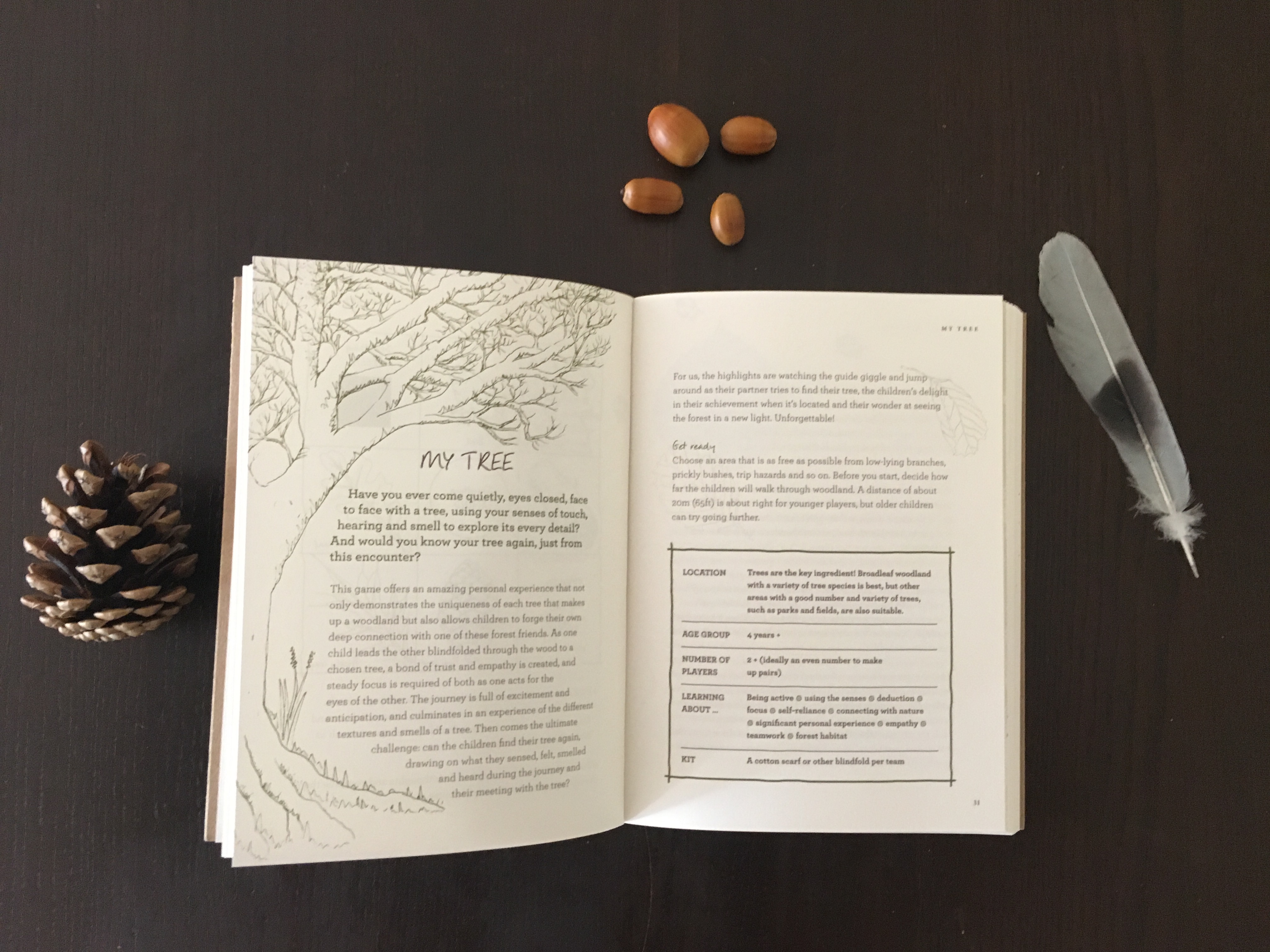
There are four sections: Nature Explorers, Forest Arts, Survival Skills and Wildlife Team games. Each of the activities clearly lays out what is needed and what the minimum age suggestion is. 


The cover recommends this book for ages 3-11 and I would have to agree, although I could easily see doing  this with teens such as expanding on the “Building Shelters” and “Sleeping Bear” activities. 

Such an amazing book for schools and homes looking to expand on their Nature Studies and to just get out and explore the natural world around us. 

International Peace Day 


International Peace Day

The work of Montessori Peace Education is not reserved to one day. Instead, we labour against the norm. 

Against a culture that often promotes hatred, fear and anger. 

Against a world that highlights our differences as unacceptable. 

Instead we share the kindness. 

The Grace. 

The Courtesy. 

And we do it with the most important, influential member of our society. 

The Child. 

#sharethejoy #desmundtutu

Sunday Book Club: They All Saw a Cat 

“The cat walked through the world with its whiskers, ears, and claws. . .”


They All Saw a Cat is an fantastic new release about how different animals see the world. From a bird’s eye view to a skunk’s view of a black and white world, each animal sees the cat differently. 

So beautiful, fun and educational. There is also a deeper message. We each see the world slightly differently. But it is the same beautiful world. We can embrace our differences and be mindful of everyone’s unique view. 

Autumn: Materials, nature study and slowing down


September is always such a busy time. Back to school, work, extra curricular activities. The weather changes and we notice a change in our home too. 

We try to be more mindful, and take things slowly. It’s a challenge, but it means so much to the boys. It’s the small things that make the most difference. We change our rhythm, when the mornings are still dark at the sound of the alarm clock. We add in candles and quiet sitting on the couch together as the house darkens at the end of the day. We make more time to go slowly, gently and to be mindful that even though the days are a little colder and a little shorter, it is still important to be outside. 

If you have been following along on Instagram you will have seen our nature study adventures. We are using this book because it is so perfect for Montessori families both homeschooling and otherwise. 

I stumbled across Calli at Sparrow and Lilies and her absolutely excellent companion Nature Study to this book. We needed something to ground us. To focus us in a gentle way while opening up the world of nature study to us. This is perfect. And better still, it’s free. 

Quentin returned to school for his 3rd (already!) year of Casa. We make a point not to have the classic Montessori materials in our home space as he uses those all week at school. However, we have added some materials to his space that reference the change of seasons. 


This layered seasons puzzle is still popular one year after getting it. I love that it has the control of error on the side so the child can check their work independently. 


Quentin has used our Seasons mat and Sun every day when he gets home from school. He loves examining the subtle changes in the different seasons and singing the months of the year song. It is a beautiful material that takes time and care to use. I think this grounds him after a long day. 

Autumn happens slowly in our part of the world. We don’t have the drop in temperature at night and frosty mornings that the rest of Canada does. It makes it a littler harder to admit that summer is gone. 

I have a post in the works for our favourite Autumn themed books and would love you to share any that are your favourites. 

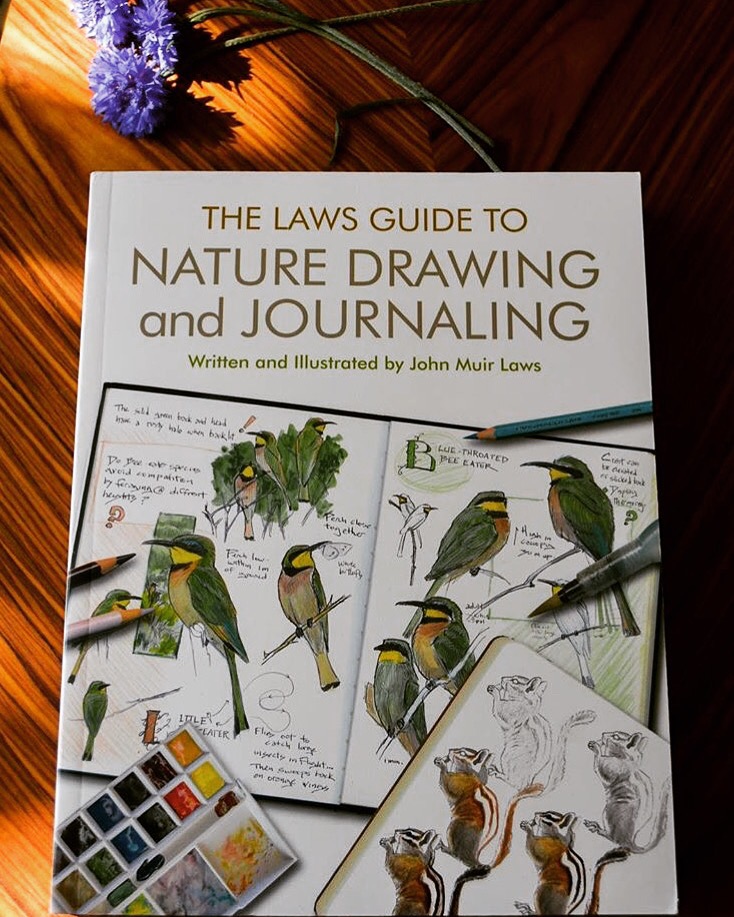
Sunday Book Club: Nature Journalling


We love being submersed in nature. There are so many beautiful experiences to offer to a child, by simply being out in nature. 

Collecting treasures from our trips as well as memories came naturally and with that came the need for a place to store everything. 


Nature journalling can be as simple or elaborate as you’d like. We chose the simpler side and I enlisted some help. 


This book came highly recommended and I’m so glad we got it. It is gorgeous, takes us through every stage and sets the bar high for our future journalling to strive to. 
The pages are beautiful enough for both Quentin and I to just flip through and discuss. From flowers to animals to landscapes we have poured over its pages. 

My hope is that Quentin may decide to use this independently as he gets older and it will certainly hold out for him if he does.  

Sunday Book Club: Best Montessori back to School Books

Hello September. For those of us in the Northren hemisphere we gathering school supplies and retrieving lost lunch boxes. 

Montessori back to school has similarities with mainstream education. The first few days are spent getting to know the ground rules and making new friends. However, there are some important differences. 

Grace and Courtesy lessons are introduced the first day of school. What’s expected of the child is modelled with role play lessons not written down on a chalkboard. Real life examples are used and the children take part actively instead of sitting in their desks listening to the rules. 

If this is your child’s first time going to school it can be a little intimidating and so I’ve compiled our favourite books to help prepare little ones as the head off. 


A little Peace is one of our favorite Peace Education books. It is perfect for the first weeks of school and anytime after that. It’s photographs show children all around the world sharing a smile, lending a hand, and spreading peace. It focuses on an important Grace and Couresty lesson. That peace can happy easily, by offering those around you the simplest of jestures. 
The Invisible Boy puts the reader in the shoes of Brian. A small shy boy who is kind and has a gift for drawing but is picked last for teams, whispered about at the lunch table and wishes the floor would swallow him up. The illustrations are beautiful and I love that there are discussion prompts in the end pages. This is a great book to open up conversations with a child about friendship and respect for others. 

Jack goes to Montessori School is my absolute favorite back to school Montessori book. There are many books about a kindergarten day or a preschool day but sadly very few about what a Montessori 3-6 child experiences in their school day. How goodbyes are said, how to roll out a mat, what the classroom looks like and what materials are used are all featured. This book should be read by every Montessori family and should be in every Montessori schools lending library. 

Giving children ample time to process the transition to school is important. Giving them a head start on the Grace and Courtesy lessons will go a long way to helping them feel connected and at home in the classroom. 

Sunday Book Club: Awesome nature resource books for school

The weather has changed. There is a crispness in the air suddenly. Talks of school (whether at home or away) have been circulating in our friend circles. With that, the conversation ultimately turns to books. Old ones we pull out of storage and dust off, and new ones that we have passed in book store windows or online that have sparked our interest. 

I am always looking for nature resource books. These books are my greatest love both in my 3-6 classroom and at home. They often have the best quality illustrations, can be used by even the youngest child, and the good ones will keep a child turning the pages for hours. 


Amazing Animal Journeys by Jason Cockroft
Such a beautiful resource of animals that migrate around the world. 


Quentin thought it was hilarious that this book almost matched the Montessori colours for the globe. The beautiful illustrations and simple but interesting text are what drew me in. An excellent book to add to an animal life cycle study or biome study. 


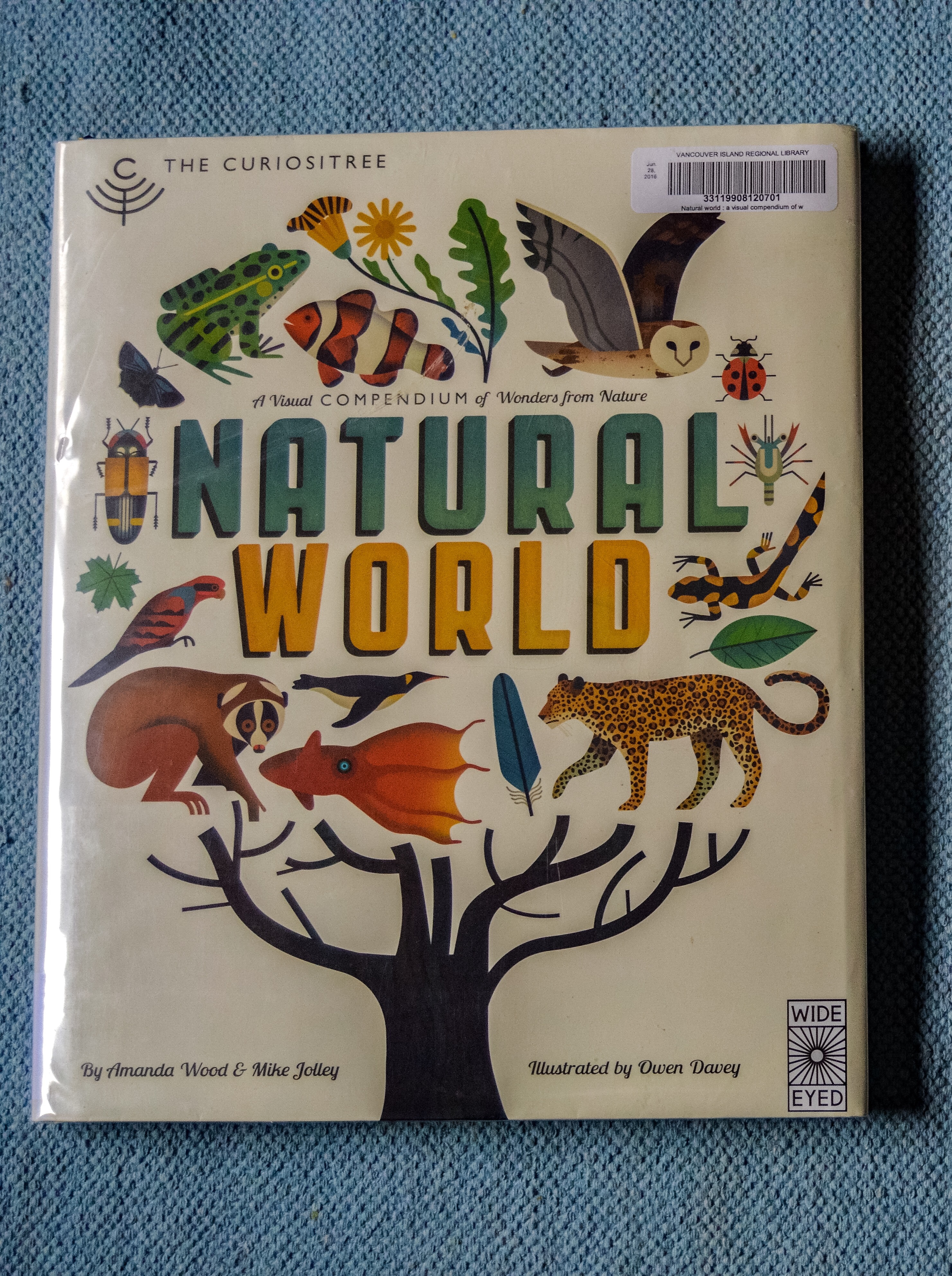
Natural World by Amanda Wood
This book should be on every shelf, in every school, everywhere. It has been celebrated in good book circles around the world and I was lucky enough to find it at our tiny library. This will be one that we purchase for Quentin’s Montessori home space. 


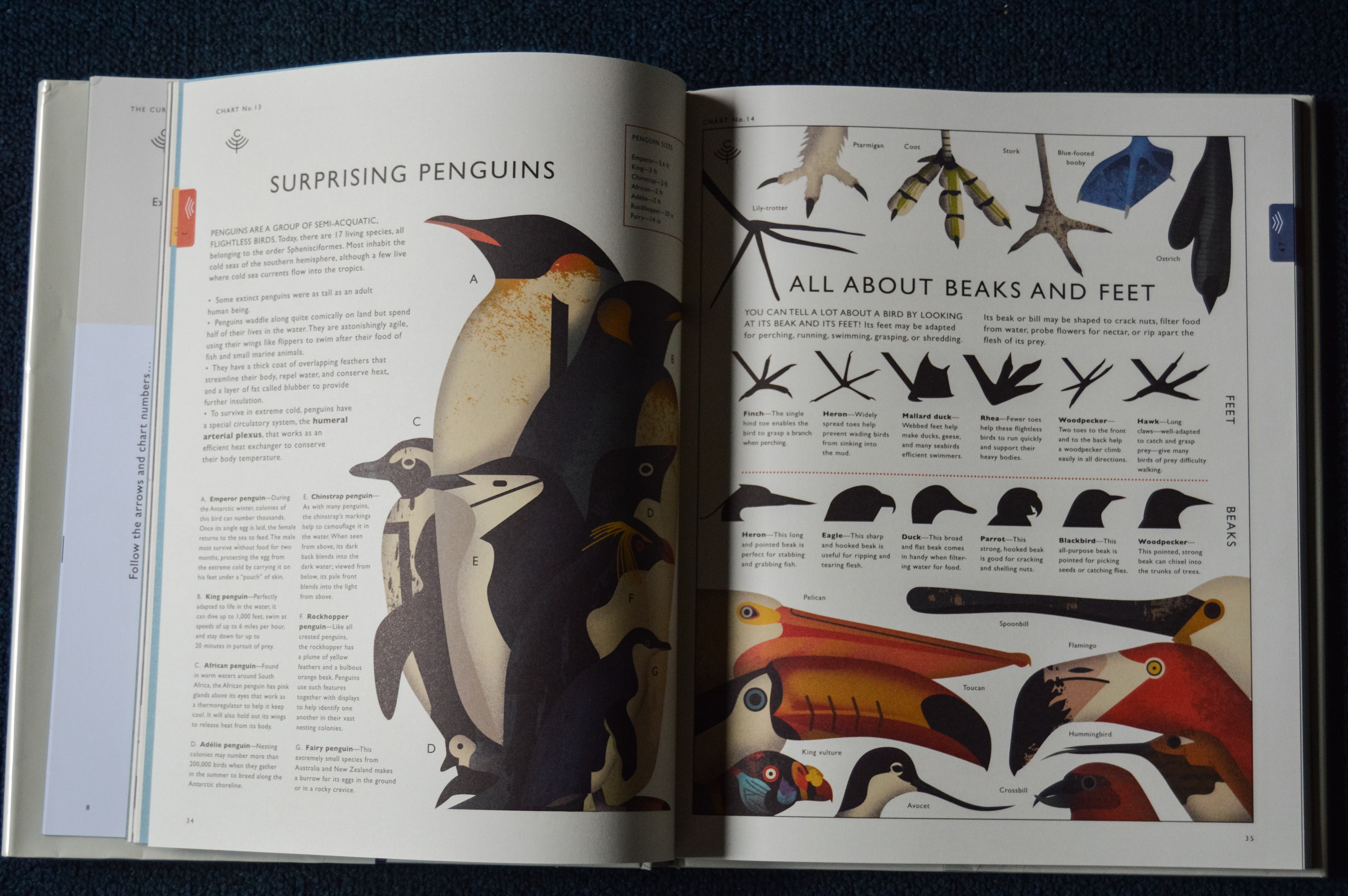
It’s attention to detail is superb. It carefully uses coloured tabs to classify subjects into 3 areas. The introduction page speaks for itself. 


We have been using it with our August nature study of a pond, but it will have far more applications in the months and even years to come. This book will last us long after Quentin has left the 3-6 classroom. It is suitable for a child 3-12 years. 


Quentin loves that it has included penguins.

Are you looking for good quality resource books to fill your learning space? Ones with beautiful illustrations or photos mixed with the right amount of information will keep them coming back for years to com.