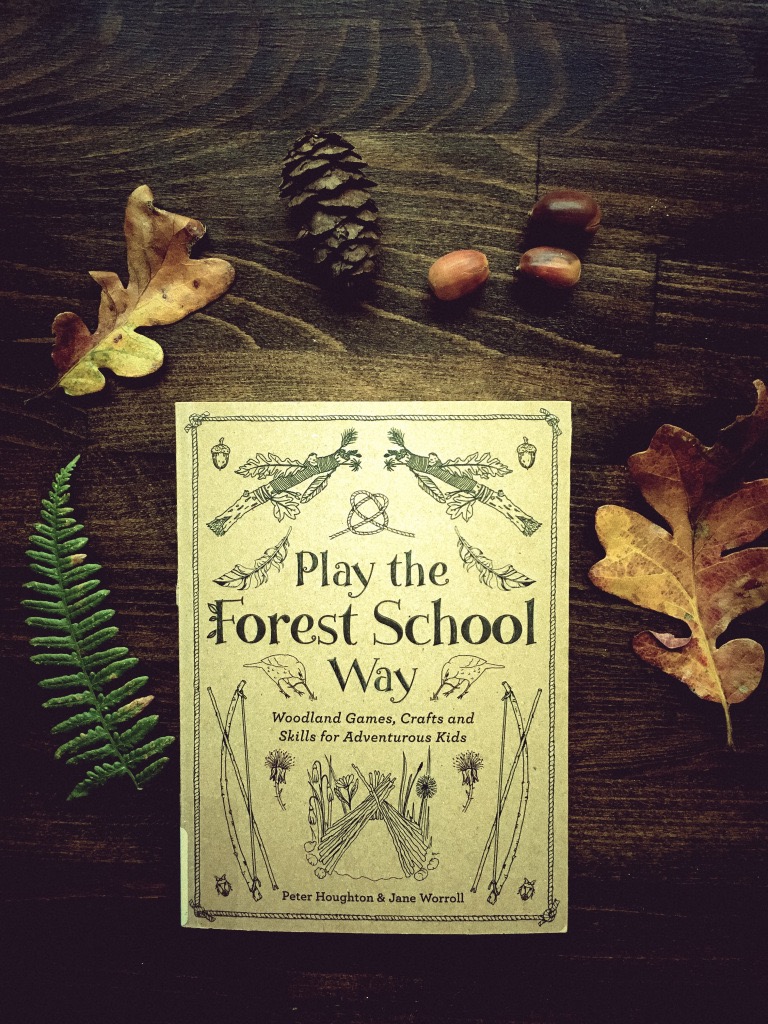
Sunday Book Club: Play the Forest School Way

“Let the children be free; encourage them; let them run outside when it is raining; let them remove their shoes when they find a puddle of water; and, when the grass of the meadows is damp with dew, let them run on it and trample it with their bare feet; let them rest peacefully when a tree invites them to sleep beneath its shade; let them shout and laugh when the sun wakes them in the morning as it wakes every living creature that divides its day between waking and sleeping.” – Maria Montessori

This book intrigued me the second I saw it. Many in the Montessori world but too strong of an importance on the indoor environment, and not nearly enough of an importance on the outdoor one.

The Introduction of the book speaks so exellently to this that I thought I would simply quote it instead of trying to add to it. 

“Nature offers us a sanctuary, a place where we can find peace and wonder. It is not limited by time nor confined by walls, and even today we can not control it completely. It is much larger and older than we are, and its rhythms resonate deep within us. Nature is where we are from and where we belong, and our survival is intricately linked to its existence. For children it is the greatest playground of all, with all its diverse structures, smells, textures, it’s creatures of all shapes and sizes, its abundant plants, some edible, others toxic. Nature offers a myraid of opportunities for risk taking, for a wealth of learning and entertainment, and for freedom, seperate from the adult world.” 

Pretty amazing stuff.
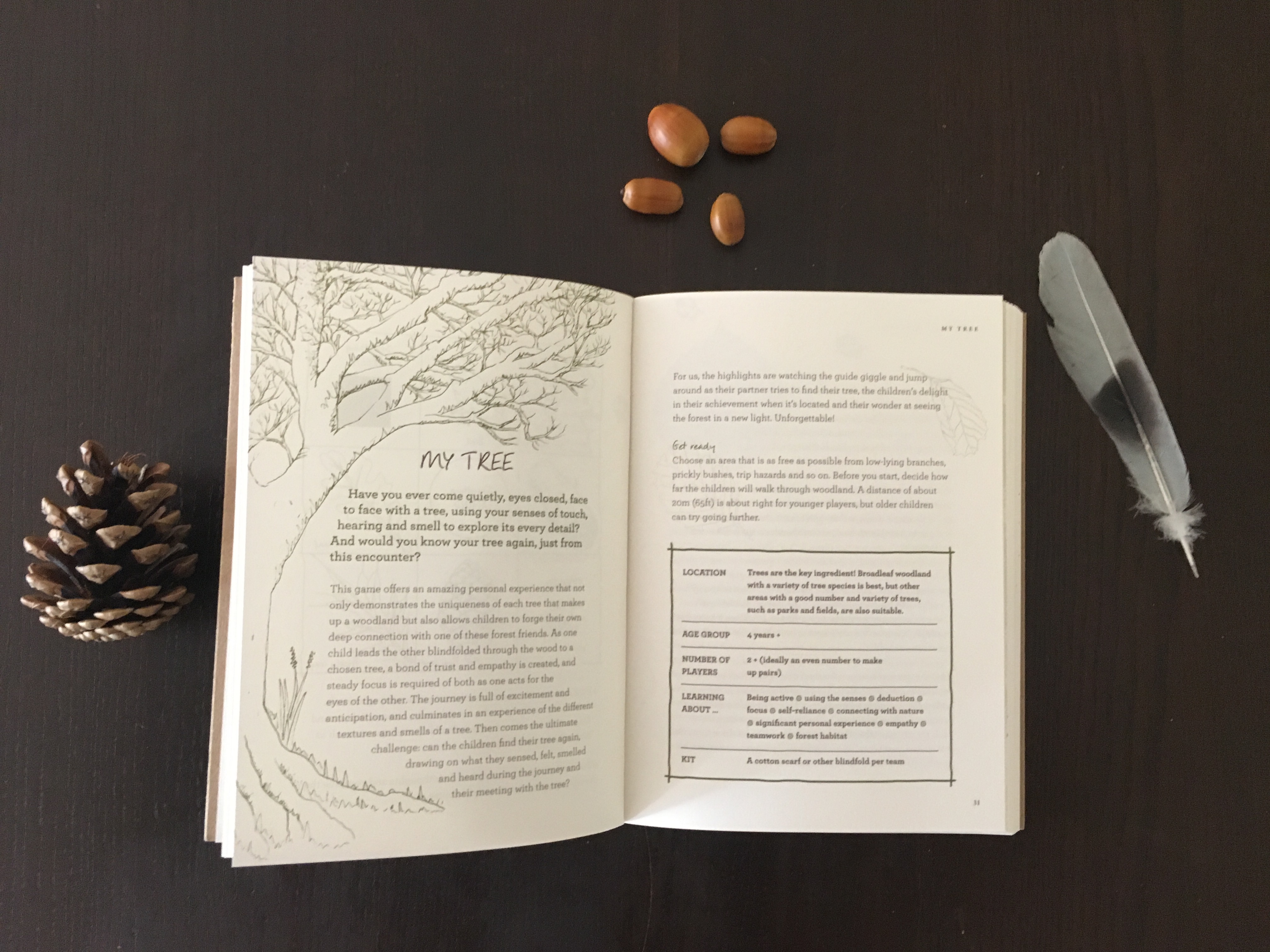
There are four sections: Nature Explorers, Forest Arts, Survival Skills and Wildlife Team games. Each of the activities clearly lays out what is needed and what the minimum age suggestion is. 


The cover recommends this book for ages 3-11 and I would have to agree, although I could easily see doing  this with teens such as expanding on the “Building Shelters” and “Sleeping Bear” activities. 

Such an amazing book for schools and homes looking to expand on their Nature Studies and to just get out and explore the natural world around us. 

Sunday Book Club: They All Saw a Cat 

“The cat walked through the world with its whiskers, ears, and claws. . .”


They All Saw a Cat is an fantastic new release about how different animals see the world. From a bird’s eye view to a skunk’s view of a black and white world, each animal sees the cat differently. 

So beautiful, fun and educational. There is also a deeper message. We each see the world slightly differently. But it is the same beautiful world. We can embrace our differences and be mindful of everyone’s unique view. 

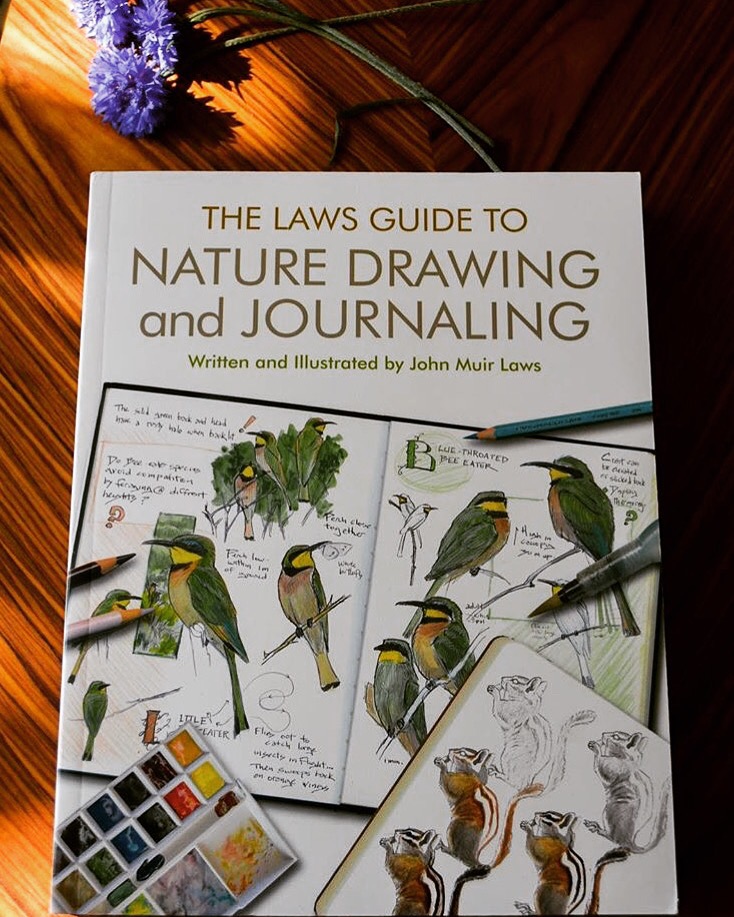
Sunday Book Club: Nature Journalling


We love being submersed in nature. There are so many beautiful experiences to offer to a child, by simply being out in nature. 

Collecting treasures from our trips as well as memories came naturally and with that came the need for a place to store everything. 


Nature journalling can be as simple or elaborate as you’d like. We chose the simpler side and I enlisted some help. 


This book came highly recommended and I’m so glad we got it. It is gorgeous, takes us through every stage and sets the bar high for our future journalling to strive to. 
The pages are beautiful enough for both Quentin and I to just flip through and discuss. From flowers to animals to landscapes we have poured over its pages. 

My hope is that Quentin may decide to use this independently as he gets older and it will certainly hold out for him if he does.  

Sunday Book Club: Best Montessori back to School Books

Hello September. For those of us in the Northren hemisphere we gathering school supplies and retrieving lost lunch boxes. 

Montessori back to school has similarities with mainstream education. The first few days are spent getting to know the ground rules and making new friends. However, there are some important differences. 

Grace and Courtesy lessons are introduced the first day of school. What’s expected of the child is modelled with role play lessons not written down on a chalkboard. Real life examples are used and the children take part actively instead of sitting in their desks listening to the rules. 

If this is your child’s first time going to school it can be a little intimidating and so I’ve compiled our favourite books to help prepare little ones as the head off. 


A little Peace is one of our favorite Peace Education books. It is perfect for the first weeks of school and anytime after that. It’s photographs show children all around the world sharing a smile, lending a hand, and spreading peace. It focuses on an important Grace and Couresty lesson. That peace can happy easily, by offering those around you the simplest of jestures. 
The Invisible Boy puts the reader in the shoes of Brian. A small shy boy who is kind and has a gift for drawing but is picked last for teams, whispered about at the lunch table and wishes the floor would swallow him up. The illustrations are beautiful and I love that there are discussion prompts in the end pages. This is a great book to open up conversations with a child about friendship and respect for others. 

Jack goes to Montessori School is my absolute favorite back to school Montessori book. There are many books about a kindergarten day or a preschool day but sadly very few about what a Montessori 3-6 child experiences in their school day. How goodbyes are said, how to roll out a mat, what the classroom looks like and what materials are used are all featured. This book should be read by every Montessori family and should be in every Montessori schools lending library. 

Giving children ample time to process the transition to school is important. Giving them a head start on the Grace and Courtesy lessons will go a long way to helping them feel connected and at home in the classroom. 

Sunday Book Club: Awesome nature resource books for school

The weather has changed. There is a crispness in the air suddenly. Talks of school (whether at home or away) have been circulating in our friend circles. With that, the conversation ultimately turns to books. Old ones we pull out of storage and dust off, and new ones that we have passed in book store windows or online that have sparked our interest. 

I am always looking for nature resource books. These books are my greatest love both in my 3-6 classroom and at home. They often have the best quality illustrations, can be used by even the youngest child, and the good ones will keep a child turning the pages for hours. 


Amazing Animal Journeys by Jason Cockroft
Such a beautiful resource of animals that migrate around the world. 


Quentin thought it was hilarious that this book almost matched the Montessori colours for the globe. The beautiful illustrations and simple but interesting text are what drew me in. An excellent book to add to an animal life cycle study or biome study. 


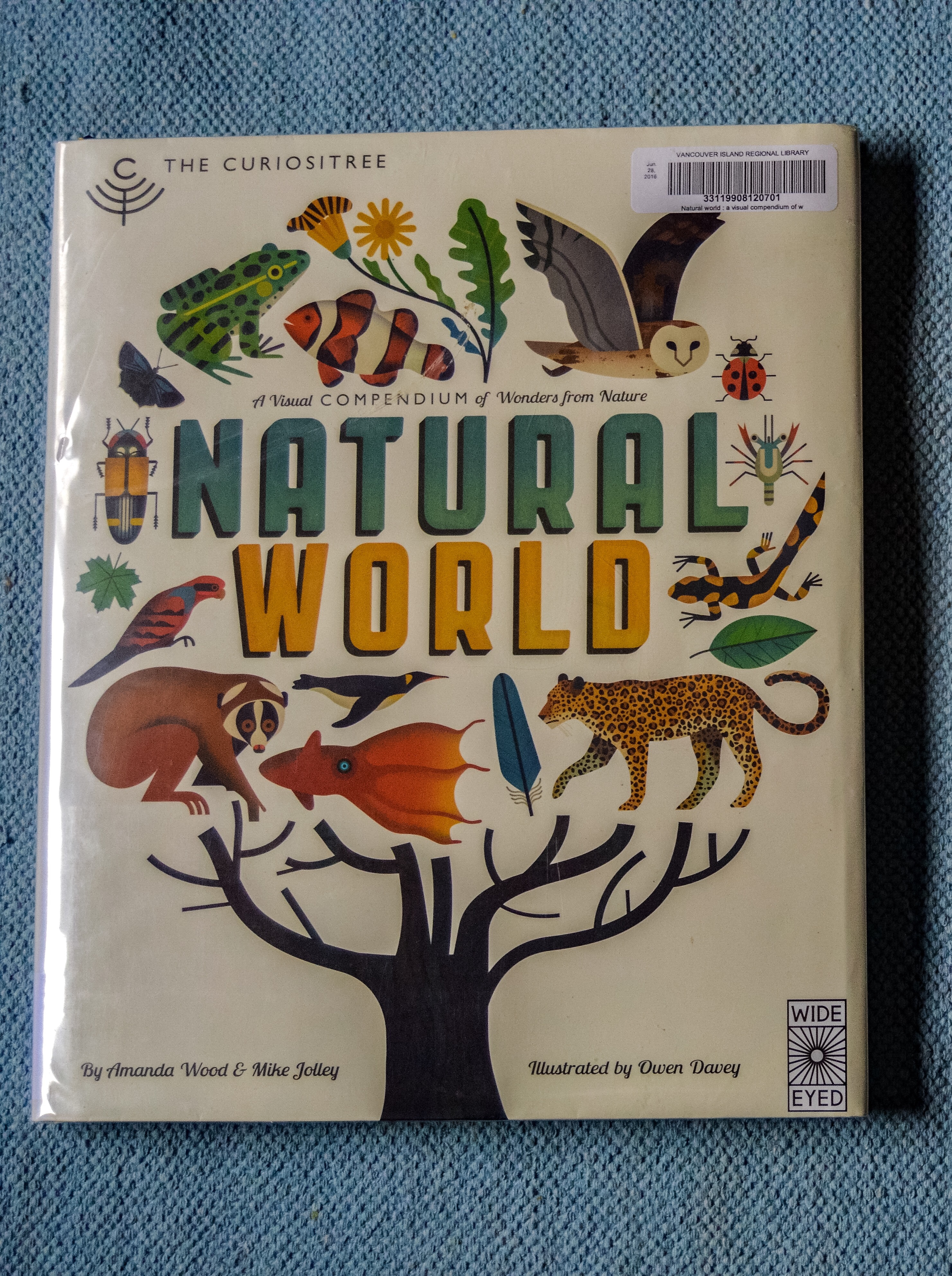
Natural World by Amanda Wood
This book should be on every shelf, in every school, everywhere. It has been celebrated in good book circles around the world and I was lucky enough to find it at our tiny library. This will be one that we purchase for Quentin’s Montessori home space. 


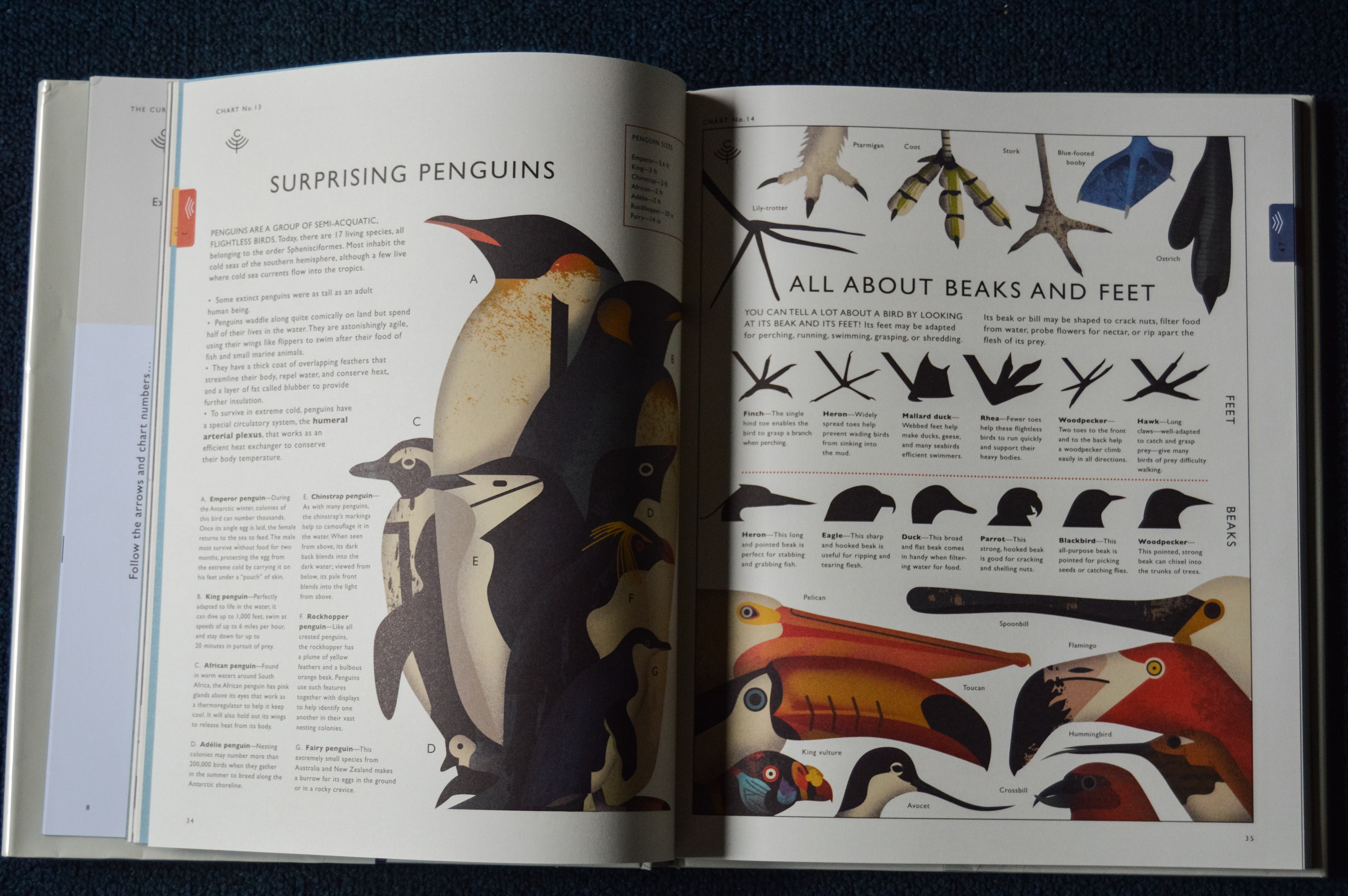
It’s attention to detail is superb. It carefully uses coloured tabs to classify subjects into 3 areas. The introduction page speaks for itself. 


We have been using it with our August nature study of a pond, but it will have far more applications in the months and even years to come. This book will last us long after Quentin has left the 3-6 classroom. It is suitable for a child 3-12 years. 


Quentin loves that it has included penguins.

Are you looking for good quality resource books to fill your learning space? Ones with beautiful illustrations or photos mixed with the right amount of information will keep them coming back for years to com. 

Sunday Book Club: Best Summer Exploration Books

With Autumn and Back to School looming just around the corner, we are compelled to spend as much time as we can outside. 

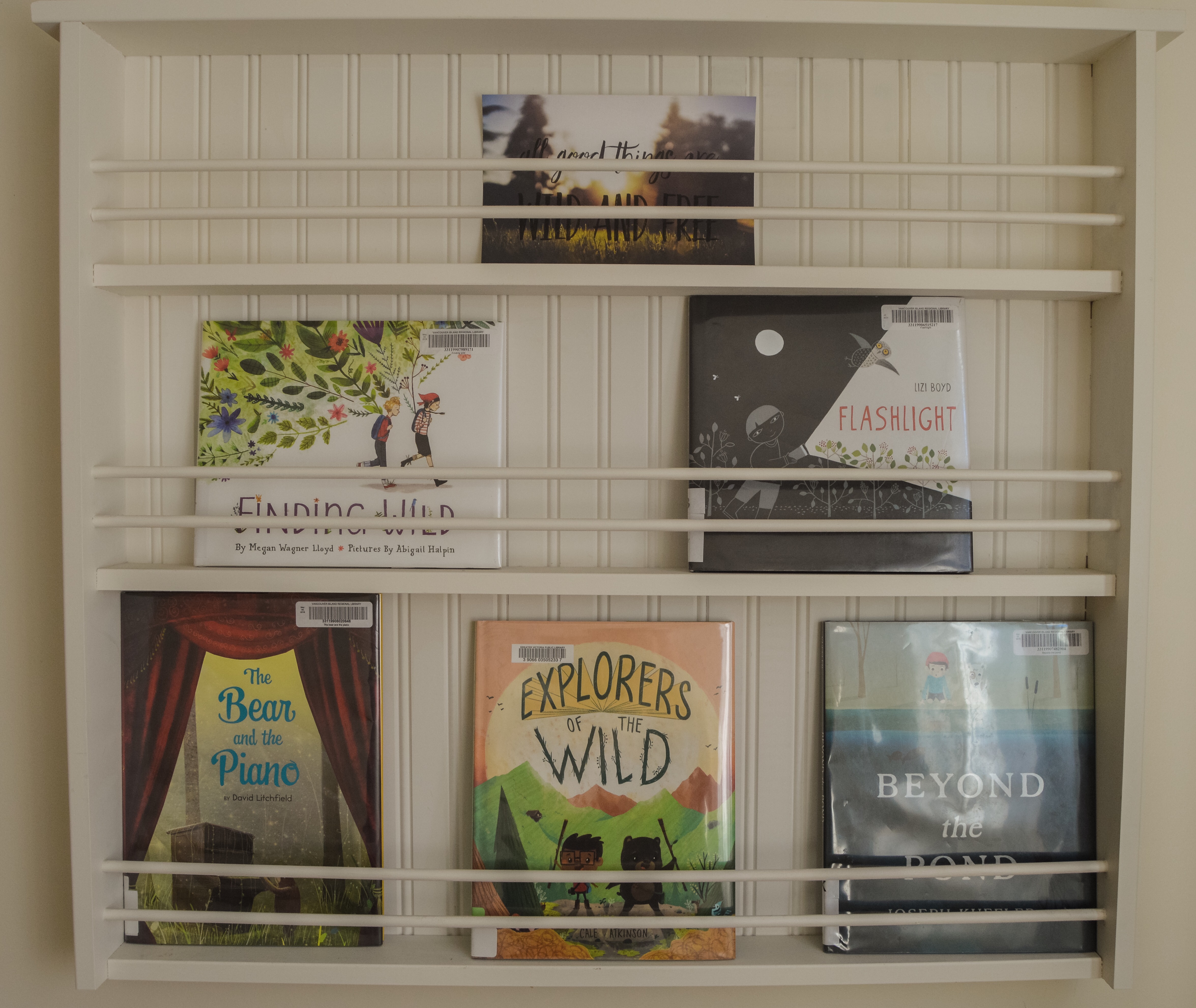
I love picture books that ask children to think outside the box. To be open minded, to try something new. All of these books do that. From finding wild in unexpected places, to bears trying new things. From finding an unlikely new friend to looking at the ordinary in an extraordinary way. 

These books invite a child to look at the world with awe and wonder. Two big, important words in the Montessori world. 

As an after note: “Explorers of the Wild” is written in the first person. Think hard about which of the Explorers it is. That is the genius of this book. We are more alike than different. 
Book info:

Sunday Book Club: The introduction of chapter books

I don’t think there is anything more lovely in all the world then laying under a tree, submersed in a book. 

My childhood was almost entirely made up of reading while laying in a field, sitting in a tree or hiding under warm blankets.

We filled Anthony’s childhood bookshelf with the classics. Roald Dahl, Jules Verne, J.M Barrie, and I have fond memories sitting on the edge of his bed sharing them before he drifted off. 


Now it’s Quentin’s turn. We just purchased this vintage copy of “The Jungle Books” for him. It’s pages are screaming to be breathed in. That “old book” smell gets me every time. 

We have read to Quentin everyday since before he was born. We have a huge love of good quality picture books, but there’s always a pause when it comes to chapter books. Is the child ready? Will it hold their attention? 

Here’s what we did. 

Follow the Child

If your child finds it hard to sit through a picture book story, it’s not time for chapter books yet. If they sit through two or three at a time, they are most likely ready.
Start slowly

We moved to longer stories like these first. Stories that had a few pictures, but mostly words on every page. We started at night and replaced the picture book that we read as part of our nighttime routine. 
Keep your child’s interests and age in mind

If your child has a phobia of water “20,000 Leagues Under the Sea” might not be a good starting point. If your child loves horses “Black Beauty” might not be good either because there is a death of a horse in it. Think about the books you read as a child. They may be perfect for you to pass down to your own child. 

Try a few different books with your child to find one that works well. We leave them out, where Quentin can see them. The covers spark his interest and keep him engaged with the idea. Sometimes it’s only a few pages we get through, sometimes multiple chapters. We don’t have a set limit of reading time or pages a day. This helps keep everyone enjoying the story. 

Research library lists or book lists online. There is so much information out there and so many great books waiting to be picked up by the next generation. 

Do you have a favourite classic? 

Leave a message in the comments. We are always on the look out for great books. 

Sunday Book Club: A Kid’s Herb Book

The middle of the summer has found us spending lots of time outside. We have lots of great cookbooks for the boys, but what we were lacking was a book we could really get into about herbs and plant uses around the home. 

From fresh basil on pizza, to lavender mist on pillows before we go to sleep, we use plants a lot. So I was really excited when I came across this book. 


A Kid’s Herb Book for children of all ages by Lesley Tierra
Recipes that kids can help make range from Chamomile Tea for calming children, to Elderberry Syrup to relieve colds. We really enjoyed learning about the different uses for things growing right outside in our own backyard. 

Summer is such a great time to get out and explore things. To try something different. This is definitely a book for anyone looking to try some new uses for the herbs they find in their area. Either at the grocery store or your own back yard. 

Sunday Book Club: I Am Yoga

I am always looking for Peace Education books. In light of the recent events around the world, sadly I find I am looking for them more and more. 


I Am Yoga by Susan Verde is a great book to have in your “Peace Education Toolbox”.
“When I feel small in a world so big…” The story mixes easy yoga poses with simple affirmations that a child can repeat when exhaling their breath slowly. 

“I can open my heart. I feel love.”


The back of the book has a guide to each of the poses used, so if you are a reluctant yogi, you can read up on the poses first. 

“If help and salvation are to come, they can only come from the children, for the children are the makers of men.” 

– Maria Montessori 

If anyone is interested in finding out more about Montessori Peace Education you can find our resources here:

Sunday Book Club: Summer on the West Coast

It feels very good to be back in this space. I have missed being here. 


As the days warm here we are seeking even more time outside. We picked up two excellent books this week that have really complimented our need to be out in Nature. 


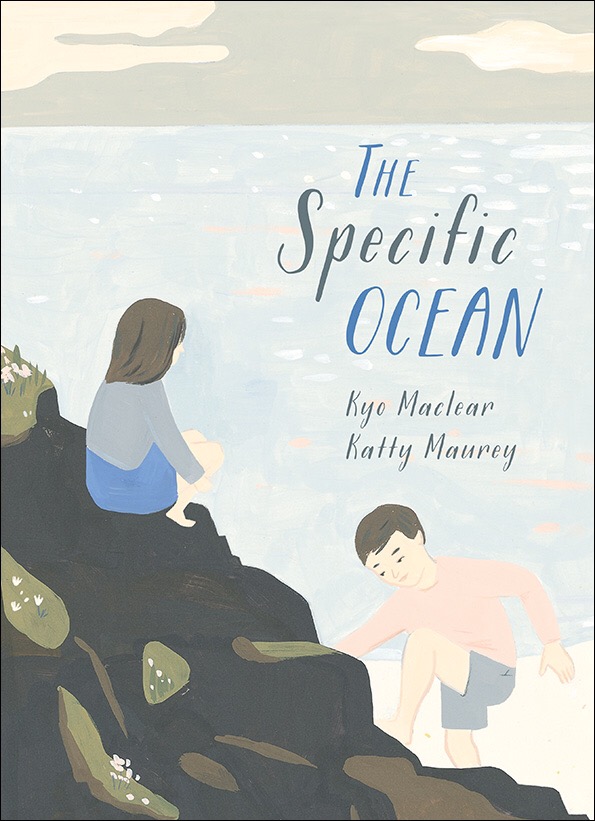
The Specific Ocean by Kyo Maclear 

A girl is unhappy about leaving her friends behind to travel with her family to the ocean. However once she gets there, her prospective slowly changes and she allows herself to be drawn in by the sensorial  beauty of the Pacific. This book is full of rich, flowing vocabulary and it will challenge you to explore this type of vocabulary with your own child the next time you are at the beach, the park, or anywhere for that matter. 


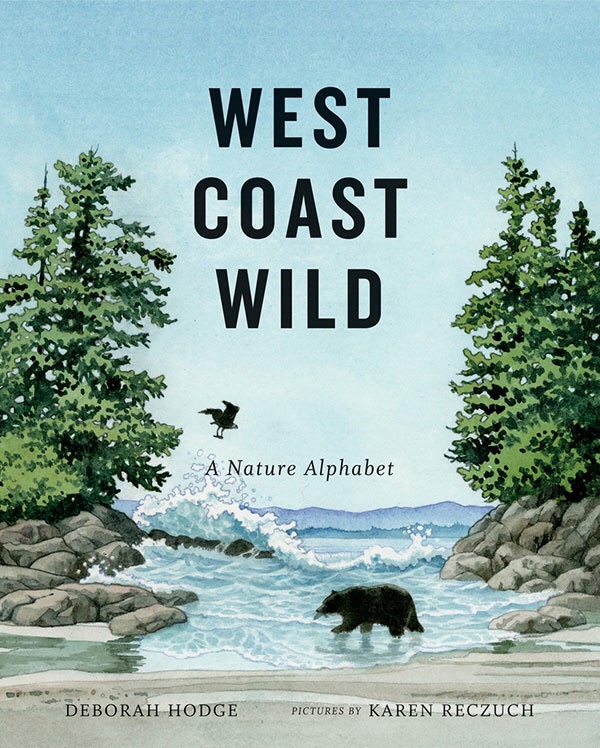
West Coast Wild: A Nature Alphabet by Deborah Hodge 

This is the perfect alphabet book for anyone living in the Pacific Northwest, or wanting to learn about it. We just so happen to fall into both categories. An entire alphabet book dedicated to the wildlife and vegetation we see every day but would like to know more about. 

If you have any suggestions for excellent, Montessori friendly books let us know. Have a great week.