Something new on the shelf and a surprise

It’s no surprise that I am absolutely in love with good quality, Montessori friendly culture materials. In fact I would cautiously argue that the Culture section of the 3-6 Montessori classroom is perhaps the most important of all the 5 areas.

So, when I saw that Waseca Biomes had just release their final Biome mat I couldn’t resist, because it also just happens to be the thing Quentin is madly in love with. 
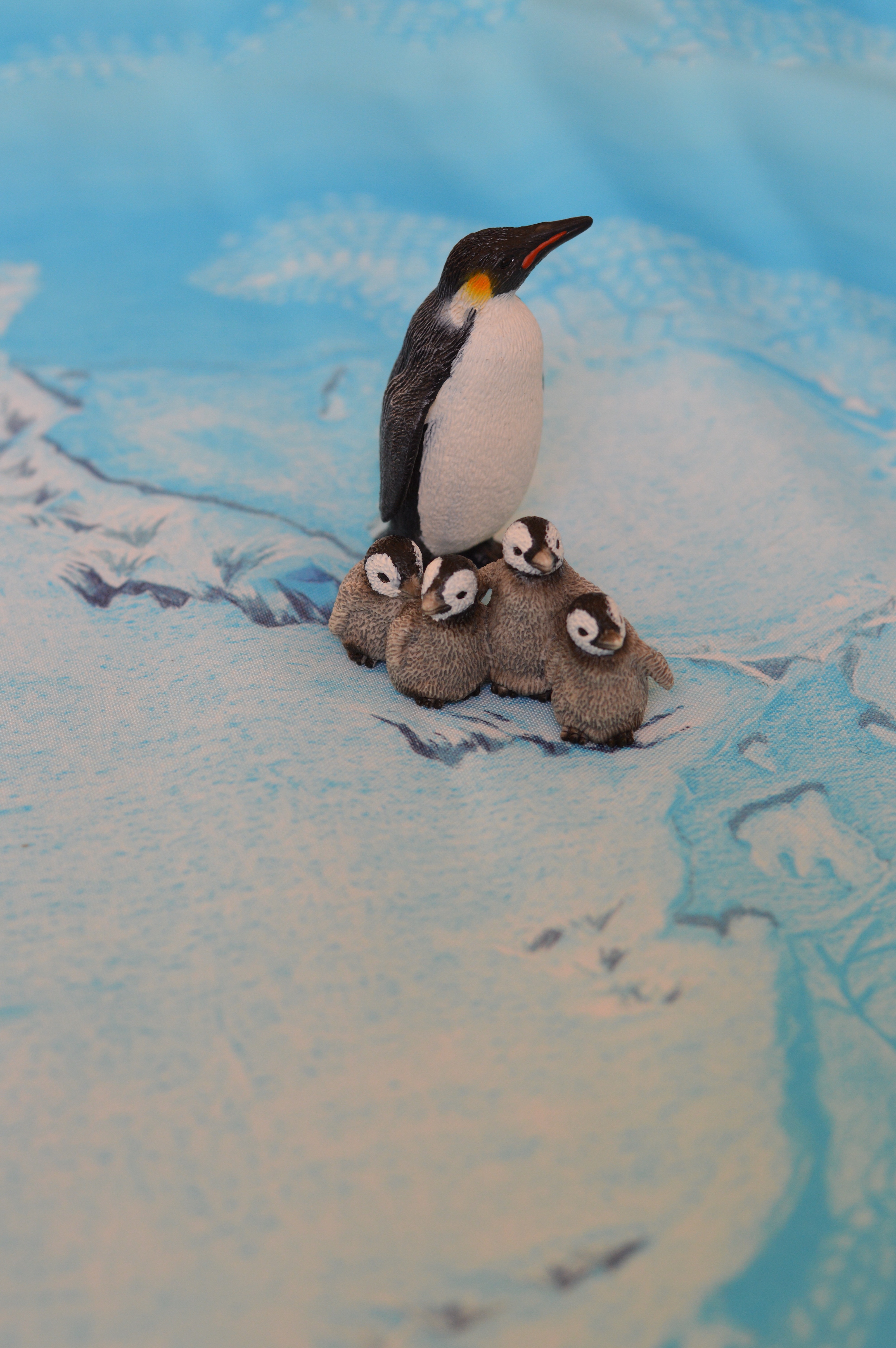
We have loved Waseca Biomes for years after we first purchased their Celebration Sun and Seasons mat (you can seen Quentin using it here). We also use their Primary Level Introduction to the Biomes Curriculum (offered for free download here) but we hadn’t yet purchased any of their Biome mat materials (found here). That all changed when I saw the Antartica set. 
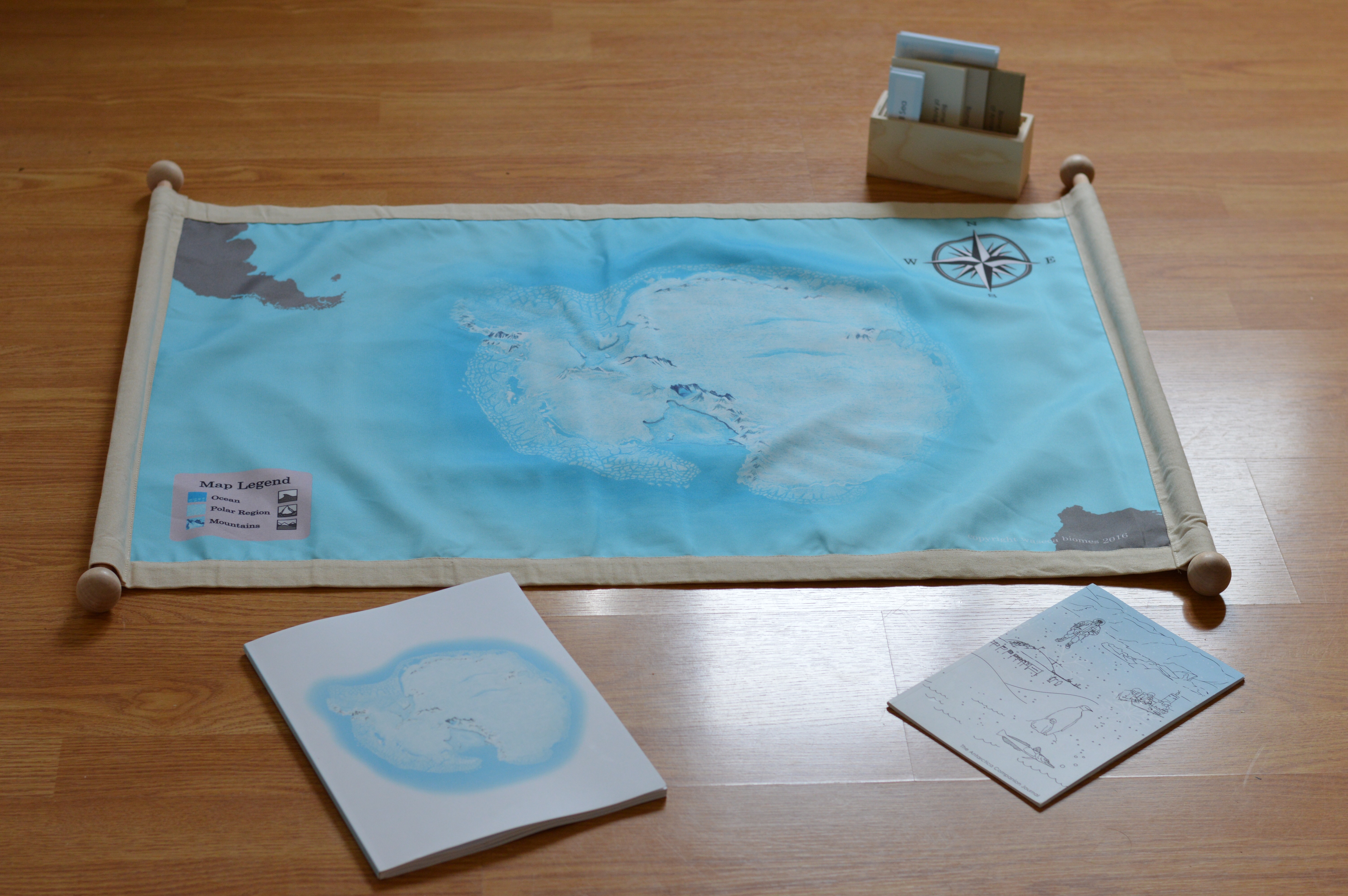

The cloth mat is extremely detailed. The 2 Part Card set it comes with matches exactly and Quentin had no trouble finding the place on the map with the drawing on the card as a guide. 
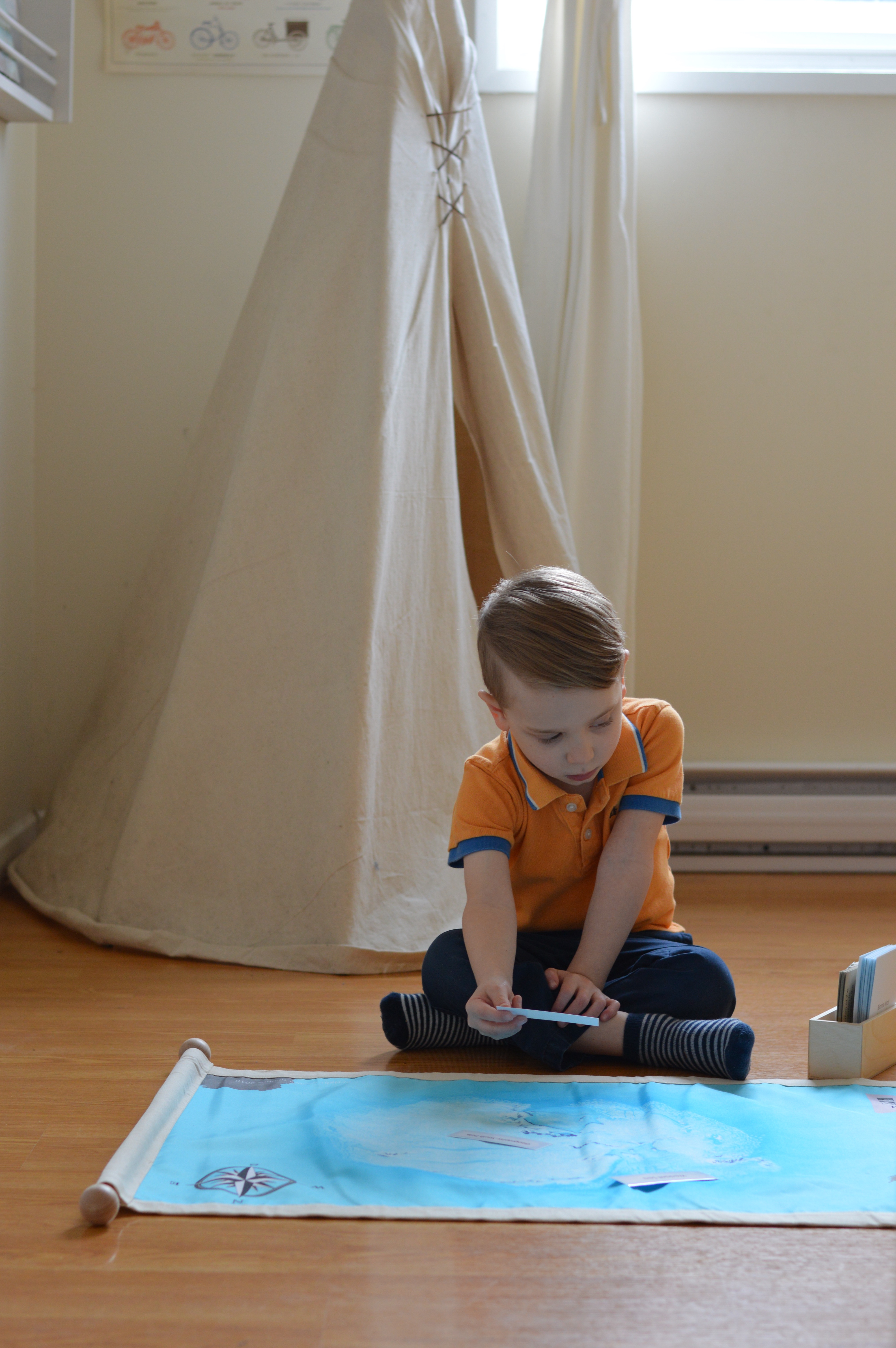
He loved reading all the cards to find the correct names and places. It was something he can do independently however even emergent readers could match many of the names simply by looking at the letter patterns, and the picture offer the control of error. Here he is double checking a particularly tricky name. 
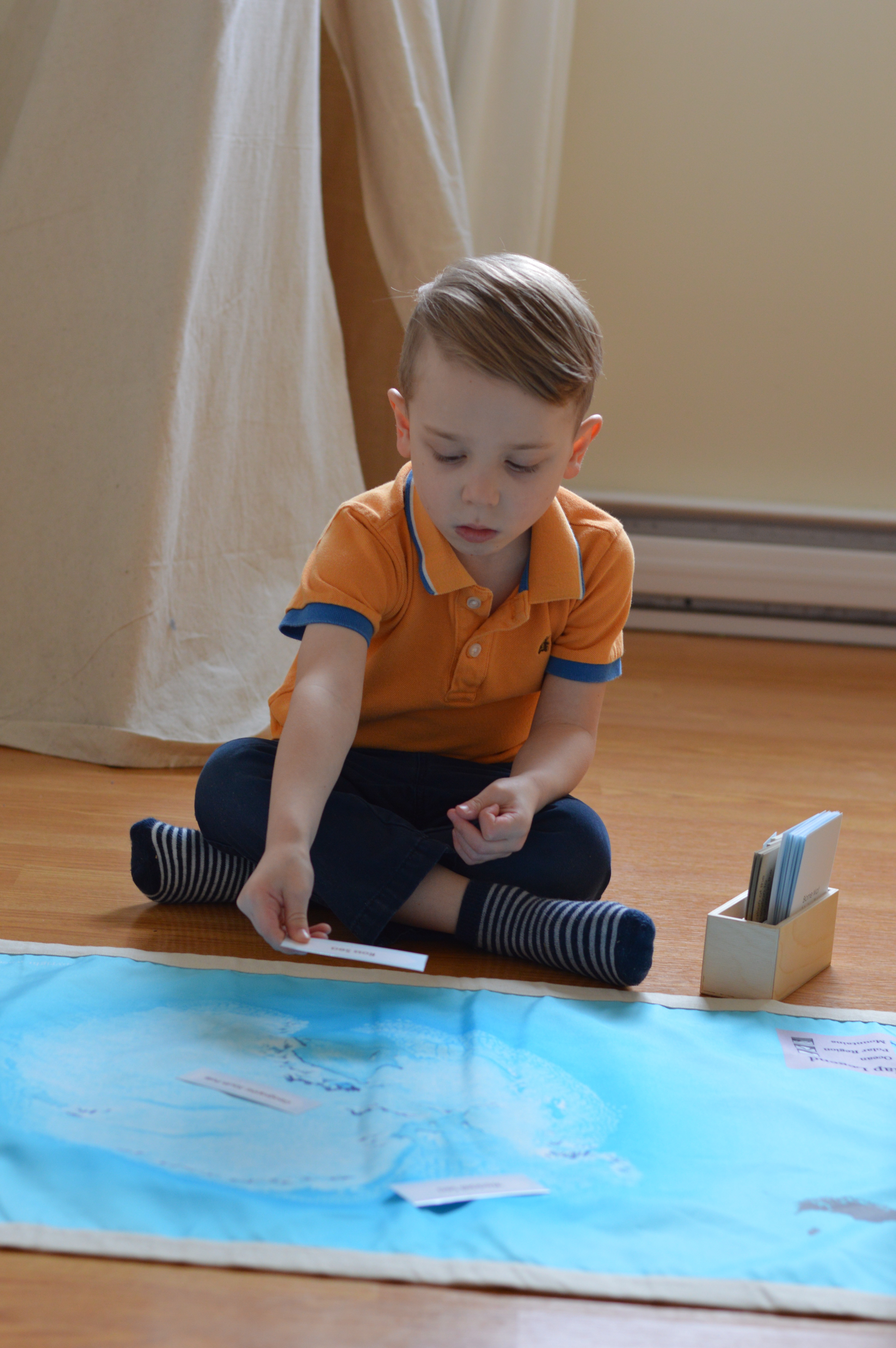

The Ross Sea however, he knew. “That’s were penguins are Mama.”
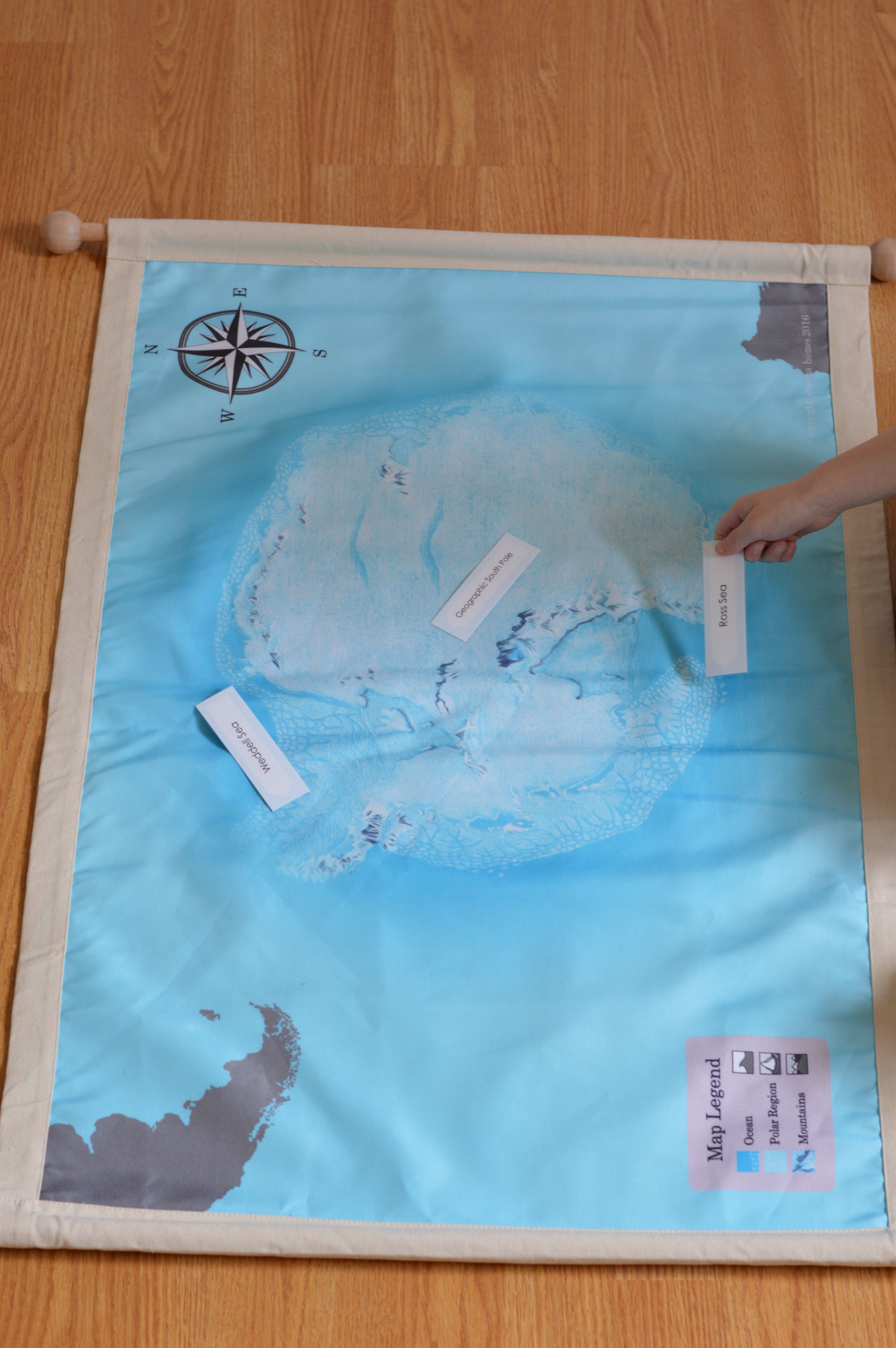

The command cards that come with the set are divided into 3 levels of difficulty. Quentin does well with the first level and I’m glad that there is room for growth. As with all our materials, to help keep our home as minimalistic and clutter free as possible, we look for items that won’t just be used today, but for years to come. 

The Antarctica Portfolio seen in the second picture is a perfect companion. I will post separately on it as we delve into its activities but it is something that will be perfect for a geography and animal lover like Quentin. At 4 years old and a strong reader for his age, he can use the Set One card materials independently, only occasionally stumbling on a longer word. Because of this I feel the entire Antarctica set could be used with a 3 year old in an adult lead situation and increasingly independently from 4 years old. 

As a side note I laminated all the card materials because I will also use this in my 3-6 Montessori classroom, and I need the cards to stand up to 20 pairs of small hands, however if we were simply going to use it at home, I think I would have left them unlaminated.

This is a long weekend where we live and it has given Quentin extra time to explore with his penguins on the mat. I’m certain he will enjoy it for years to come. 
As an added bonus Waseca Biomes is offering free shipping on their products for US customers until March 12th, 2017 and free shipping of the Biome Portfolios at any time.

Oh yes, and the surprise. 

Waseca Biomes has graciously offered to sponsor our giveaway of one of their larger materials sets! The details will be announced at the end of February but we are so thankful to them and also very excited to extend this giveaway to all of our followers worldwide including free worldwide shipping on behalf of us. 
“The secret of success is found to lie in the right use of imagination in awakening interest, and the stimulation of seeds of interest already sown by attractive literary and pictorial material, but all correlated to a central idea, of greatly ennobling inspiration” – Maria Montessori 

Sunday Book Club: Good Morning City


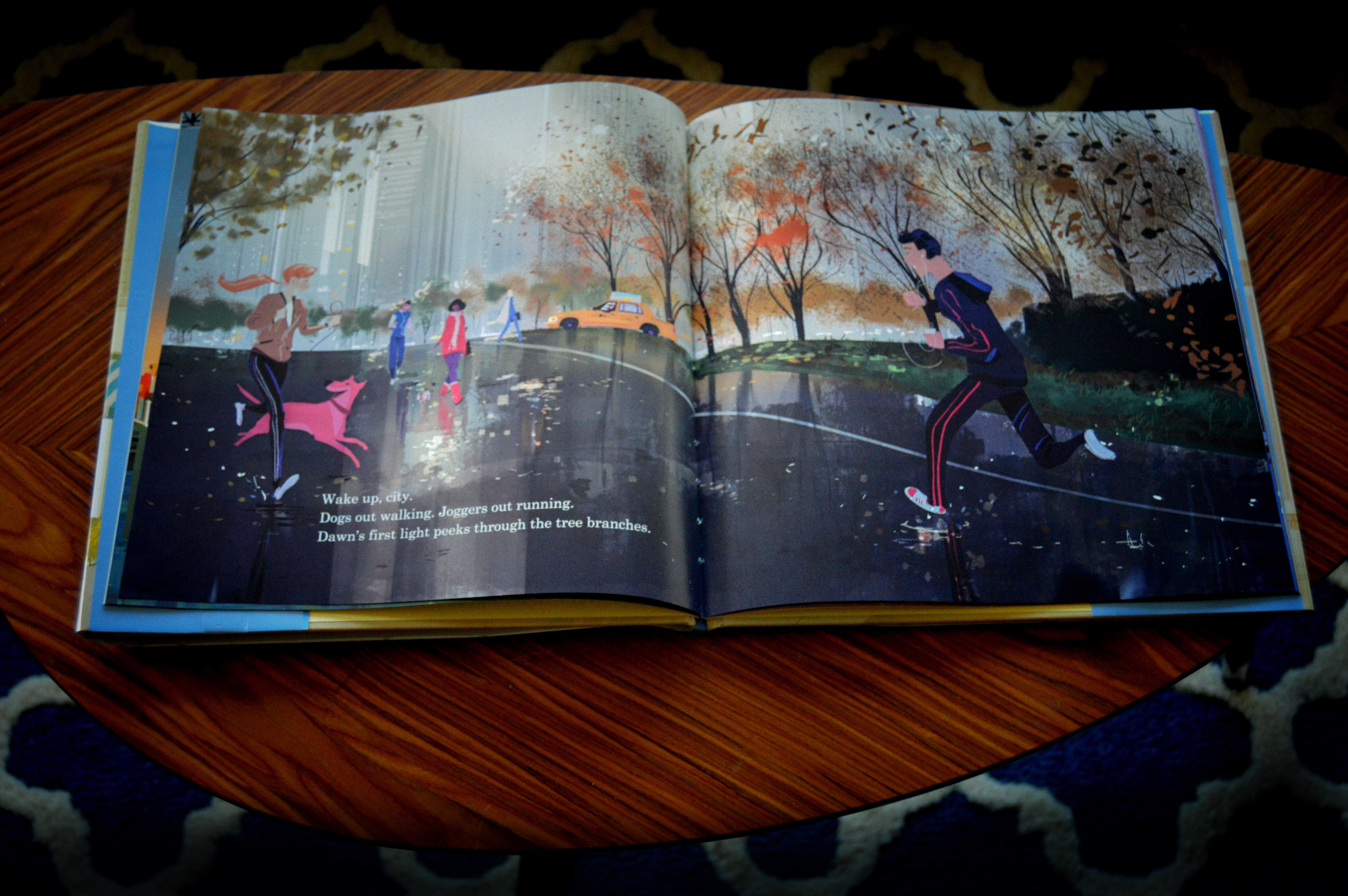
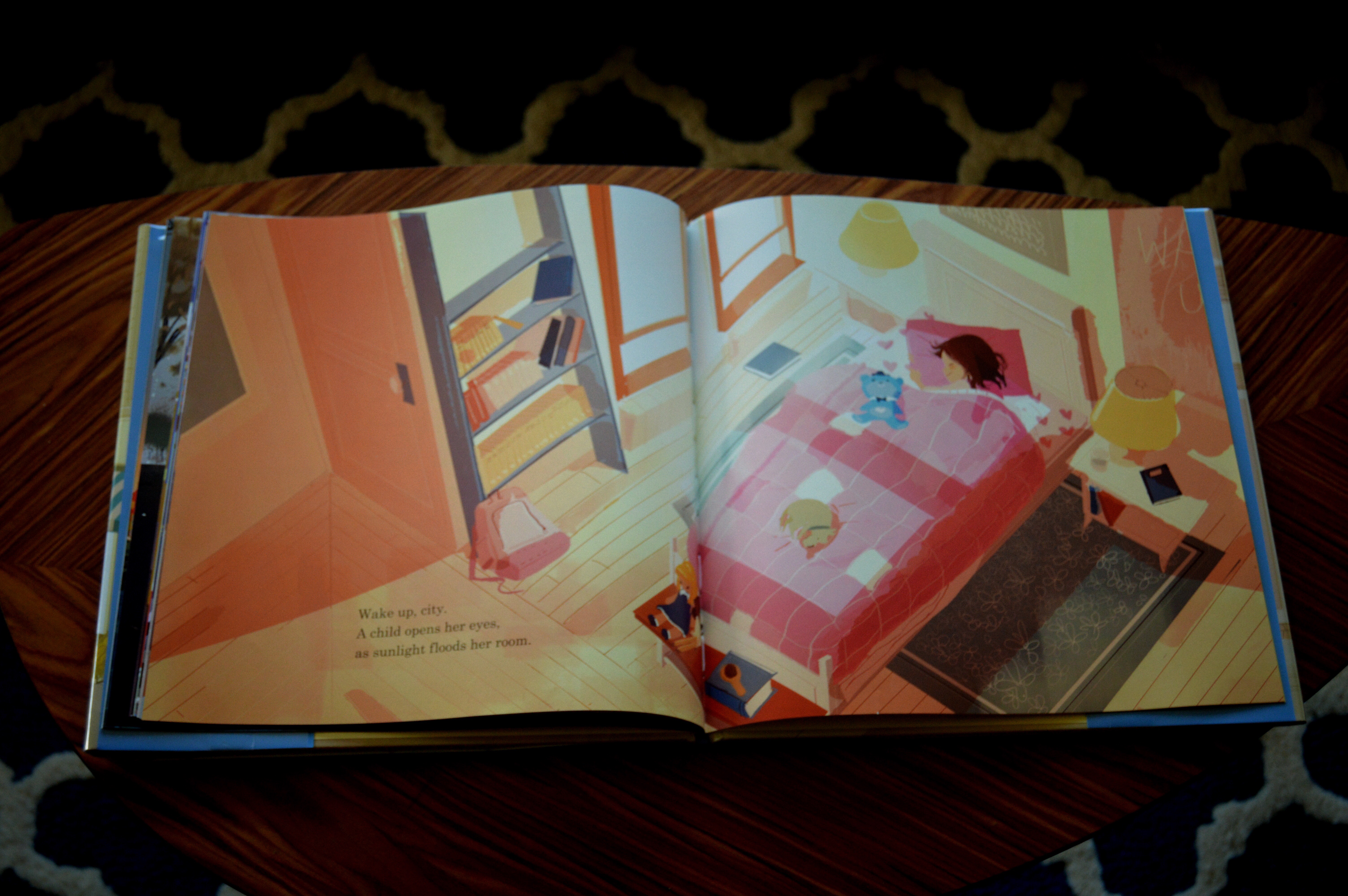
We love children’s books that offer a glimpse into the everyday routine of a child. Our favourites are ones that also offer ethnically and culturally diverse pictures. Good Morning City does this beautifully. 


The illustrations are fantastic and the story takes the reader through the routines of people starting their day. From baker kneading the first dough of the morning to the ferry boat captain starting their rounds to older children climbing onto the school bus, Quentin loved scanning the  pictures and getting a sense of other people’s morning routines. 


This book is perfect for children as young as two but will also suit a child as old as six and is an excellent addition to a home regardless of what your morning routine is. 

February Nature Study: Weather 

“This is the time to immerse children in the stuff of the physical and natural world. Constructing forts, creating small imaginary worlds, hunting and gathering, following streams and pathways, making maps, gardening and shaping the earth are all perfect activities at this stage.” – David Sobel


I love sharing the wonders of the natural world with a child. Even in the Winter there are so many interesting things you can open their eyes to. 

This month we are studying weather. We were fortunately blessed with a freak snow storm earlier this week and as the flakes continued, we decided to pack a picnic and head out to one of the beautiful beaches in our area to observe the rare weather pattern first hand. 


The best part about studying nature is that it is low cost and extremely accessible, even in more populated areas. 

We keep a well fitted backpack for Quentin stocked with a water bottle, a note pad and pencil, some small collection containers and a magnifying glass. These things are nice to have but aren’t necessary. The most important thing is as always to follow the child. We stop when something has caught his eye like these small stone structures stacked by someone else enjoying the beach at some point this winter. 


Most of the beaches here are tumbled rock. We find a quiet and sheltered place under the overhang of the forest, open our picnic and watch the waves. Tides are something Quentin has experienced living next to the Pacific but we haven’t gone into detail about them yet with him. The constant crash of the waves is something he is aware of but that’s where his interest stops. Instead, we watch the snow gently fall and talk about water vapour and clouds and catch snowflakes on our tongues. I have remembered to bring our pocket microscope purchased here and we examine some of the flakes. So much detail in just a tiny flake. 

Nature Study is an excellent winter boredom buster. Properly bundled, going outside for even just a few minutes to collect snow for melting crafts, feeding the birds or following tracks will help children connect with the natural world in all seasons and also help them build strong memories with you. 

Sunday Book Club: The Journey

Continuing with our theme of knowledge, understanding and tolerance from last week, The Journey was recommended to us by our friend and passionate Montessori teacher Ashley Speed of Diamond Montessori

It is a story of a family forced to leave everything behind, a mother’s courage and bravery guiding her children through an often scary unknown and ultimately it is a story of hope. 

Told from a child’s perspective, the beautiful modern images open up further discussion while reading. It is a great read for a child 6 and up or anyone looking to get a small glimpse into the struggles of refugee families. 

January Nature Study: Moon phases & constellations 

January was all about looking up into the night sky. We gathered some simple DIY materials and borrowed some books from the library. I love it when nature studies are simple. No special materials required, although sometimes they are nice to have. It’s really just about appreciating what’s around you. 


We use this book for our monthly nature study. I made some constellation tiles with some inexpensive wooden discs from our big box craft store, my electric drill and a fine tip marker. Quentin loved shining the light through the holes to make the constellations appear on the walls. It was a truly hands on experience for him and he quickly learned the name of some of the constellations. 


I set out an art invitation of making constellations with some watercolour paint and paper, a straw and a black crayon. Quentin greatly dislikes product art and it is not recommended for children under 8 years of age. Instead, its all about the process. The invitation held the prepared materials and he chose where to put his paint, how to blow the paint through the straw to get the affect he wanted, how to connect them and most importantly when he was finished. He sat for a moment looking at it, then went to get his Orion disc and found they were similar. 


This book was absolutely fantastic as an introduction to the stars. It gave a brief history of how each constellation got its name and Quentin loves turning off the lights to see the book glow in the dark. 


We used our beautiful Moon Phases cards from the unbelievably talented Alice Cantrell to learn some new vocabulary and interesting facts. 

Lastly we bundled up, packed a warm blanket and a thermos of hot cocoa and went out into the night to observe the differences in the moon phases and the brilliance found when we stop a minute and stare up at the night sky. 

Sunday Book Club: Sometimes I feel like a Fox

The Montessori 3-6 Prepared Environment has a large component focused on Culture. 

This section of the environment encompasses many things but it’s aim is to slowly and gently introduce the child to the world around them. This is the very first step of Montessori Peace Education. 


This week’s book (which can be found here) is awesome in many ways. It showcases 12 animals and their characteristics. It acts as a tool for adults working with children to  create mindfulness and open ended discussions about how these descriptions relate to them. It can also be use in dramatic games for children to act out each of the characteristics of the animals. 

However most importantly (and this is where the Montessori Culture aspect ties in) it exposes children to another people’s culture. Each of the animals described by young people in the book, is a totem animal or “doodem” in the Anishinaabe First Nations tradition. 

The author’s note explains the importance of totem animals in the Anishinaabe culture and how they can act as guides for young children. 

The importance of differences and ultimately our similarities between our cultures and our communities has always been strong. However perhaps it is even more important in today’s world. 

If you are looking for books that speak to tolerance, understanding and knowledge there are many excellent ones for children. Speak to your local librarian, teacher or bookshop owner for ideas. 

Sunday Book Club: Atlas of Adventure 

With the holidays finished we are back into our normal rhythms. That of course, means it’s Book Club time and this week’s books are gorgeous must haves for any Montessori home’s Non-Fiction Research/Reference section. 


The first book found here is absolutely stunning. It’s done in a completely different way then I have seen before and covers everything in its two page spreads from tigers in the Siberian snow, to humpback whales off the coast of Chile. 

The pictures are modern, clean lined and yet have so much detail. We are absolutely in love. 

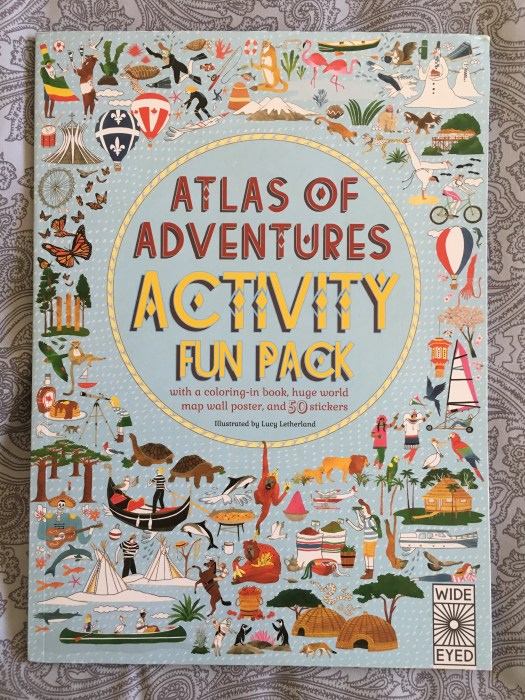
The second, companion activity book found here is equally gorgeous. Sectioned into the continents it is a perfect at home workbook for any geography lover. So much to colour on each page and a large wall map and stickers are included. 

We purchased these books for a young Montessori friend’s 4th birthday, however on seeing their beauty and the ability to use them over the years with Quentin, I decided to order copies for our own reference materials shelf. 

Like anything else in our minimalist home featured here, we choose books extremely mindfully especially when purchasing them. Here are some of our “rules” for purchasing non-fiction books that fit with both a minimalist lifestyle but also (and much more importantly) a Montessori lifestyle: 

  • Books must be reality and science based
  • Books must be able to hold a child’s interest today, tomorrow and next year
  • Purchase a small range without duplicating a subject. We don’t need 20 penguin books. A really good one will last years and we can supplement the rest from the public library, although really we shouldn’t need to. 

Books about the world around us are some of the most important you can share with a child. A child is never too young to be exposed to that world. 

Book Club Year End: Best Fiction 2016

The first Day of the new year is the perfect time to reflect on the year past. It was an amazing one for children’s literature and it was extremely hard narrowing down our favourites. 

A note to anyone new joining us, we only review books we have actually read cover to cover and enjoy having in our home. These are books we truly have loved and not simply seen on another “best of” list. 
When we finally came to a decision, these were our favourites of 2016:

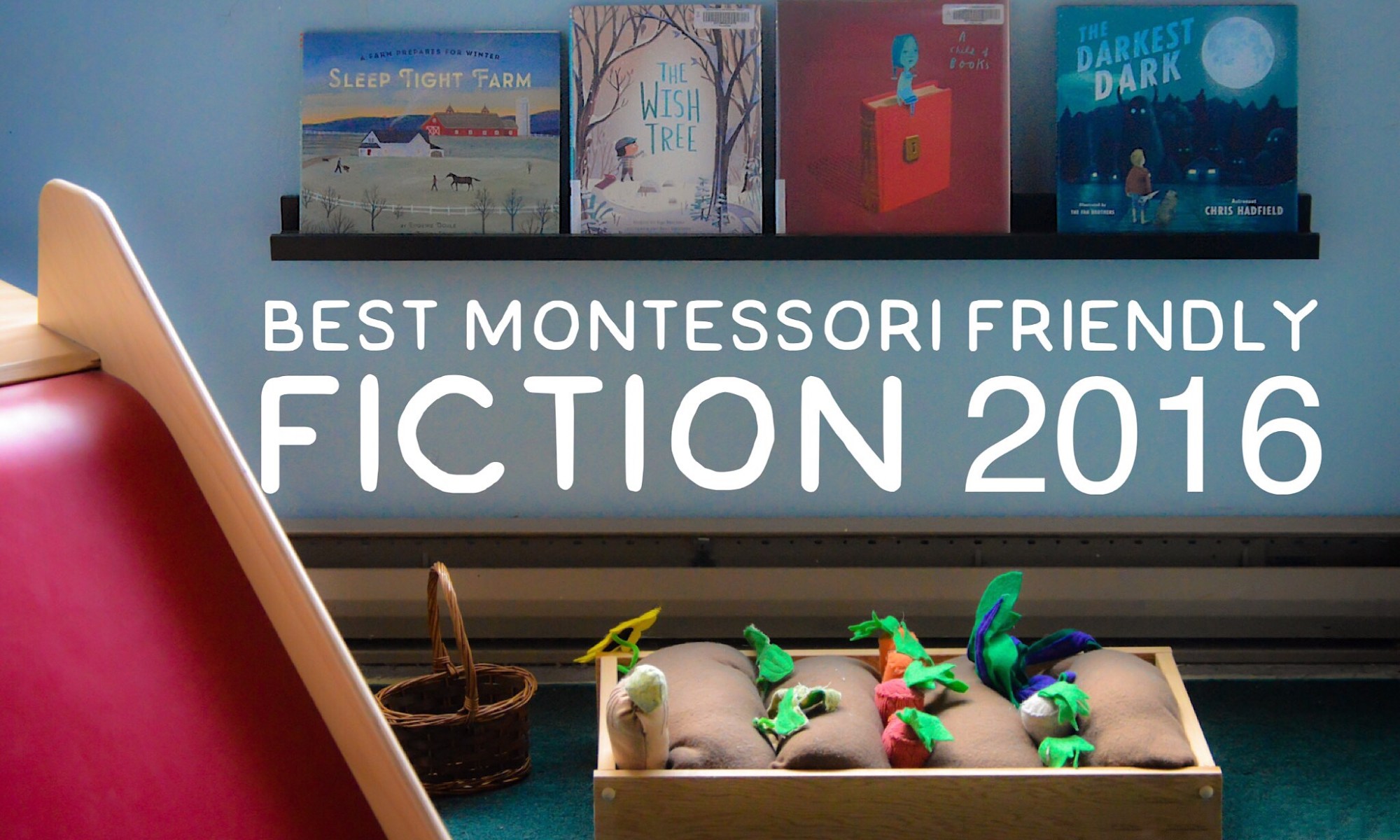
Sleep Tight Farm is my favourite on this list. It is everything I look for in a children’s book. Beautiful simple pictures that fit the rhythm of the story, which is in this case, the simple act of slowing down and bundling up for Winter. A gorgeous book that fit in perfectly to our family’s Solstice celebration, this book is suitable from 2 years old and up and would be loved by any budding farmer or family looking to capture the spirit of the season. 

The Wish Tree follows a day in the life of Charles a boy looking to find the tree and tie a wish to its branches but ends up being delayed along the way. It is a book of Grace and Courtesy and it’s author is one of our favourites whose other works can be found here

A Child of Books is so simple and yet so stunning. The artwork is the masterpiece here. If you haven’t read it, you must go and find a copy. We feel it fits so well with the Montessori philosophy, and it’s message is for both young and old alike. 
The Darkest Dark was a Solstice gift for Quentin this year and combines our family’s love of science, space and Canadian astronaut Chris Hadfield. It’s about a boy overcoming his fear and following his dreams. Perfect for any parent and child who have struggled through the bedtime routine. 
If you are looking to add some Montessori friendly fiction to your child’s bookshelf, here are our tips:

  • Reality based over fantasy for under 6. Children under six are still making sense of the world. They crave real experiences and being exposed to books they can relate to is incredibly important for normal social and neurological development. 
  • Look for descriptive language. Rhythm, rhymes and rich language build a child’s language bank. If you want them to have a large bank of vocabulary, they must first be exposed to it. 
  • Awe and Wonder. Just like in our Non Fiction post, these two words are the most important when looking for materials to fill your Montessori space. A book should grab a child and suck them in. It should feed not only their mind, but their soul. 

Book Club Year End: Best Non Fiction 2016

We absolutely adore good quality non fiction books in this house. Ones that are gathered carefully and mindfully have the opportunity to last for years. 

This year was an excellent one for children’s books both fiction and non fiction and it was hard to narrow down our top choices, but nevertheless, here they are:

Atlas of Oddities has loads of interesting facts such as Metallica was the first band to play live on Antarctica. The modern clean pictures that accompany the facts are perfect for us. With so much detail, yet easily laid out, this book will last us years. 
Shackleton’ Journey is excellent and geared towards the 6-12 Second Plane, but it also suits one particular four year old boy who loves penguins. A story of the epic journey in detail, the drawings open up deeper conversations, and give an opportunity to expand learning. 
Insect Emporium is the perfect addition to anyone’s Nature Table. The drawings are gorgeous and there is just enough info to intrigue a 3-6 year old without overwhelming them. It is a must for insect lovers both adult and child alike. 
Hello Atlas holds the illustrations of on of our favourite artists Kenard Pak. This is our absolute favourite non fiction this year. This book focuses on the language differences of peoples and cultures around the world. However it is in that focus that the reader learns just how similar we all are and that really all it takes is just a friendly hello to a stranger. An extremely important message going into 2017. 
If you are looking for Montessori friendly non fiction books here are some hints:

  • Realistic, science based and age appropriate are paramount features 
  • Beauty like anything else in the Montessori environment is important. Choose books that are beautifully laid out. 
  • Awe and Wonder are some of the most important words in the Montessori world. Choose books that invoke both awe and wonder not just in the child, but in yourself. 

December Nature Study: Winter Solstice 

The celebration of the return of the light. 
This is the time of year we focus on simplicity. When commercialism seems to be pushed just a little bit more, we instead look to tread lightly. It’s a time when Montessori Grace and Couresty have an intent focus and when Peace Education is at the forefront. 

Here are some of the things we do to continue our Nature Study in the month of December: 


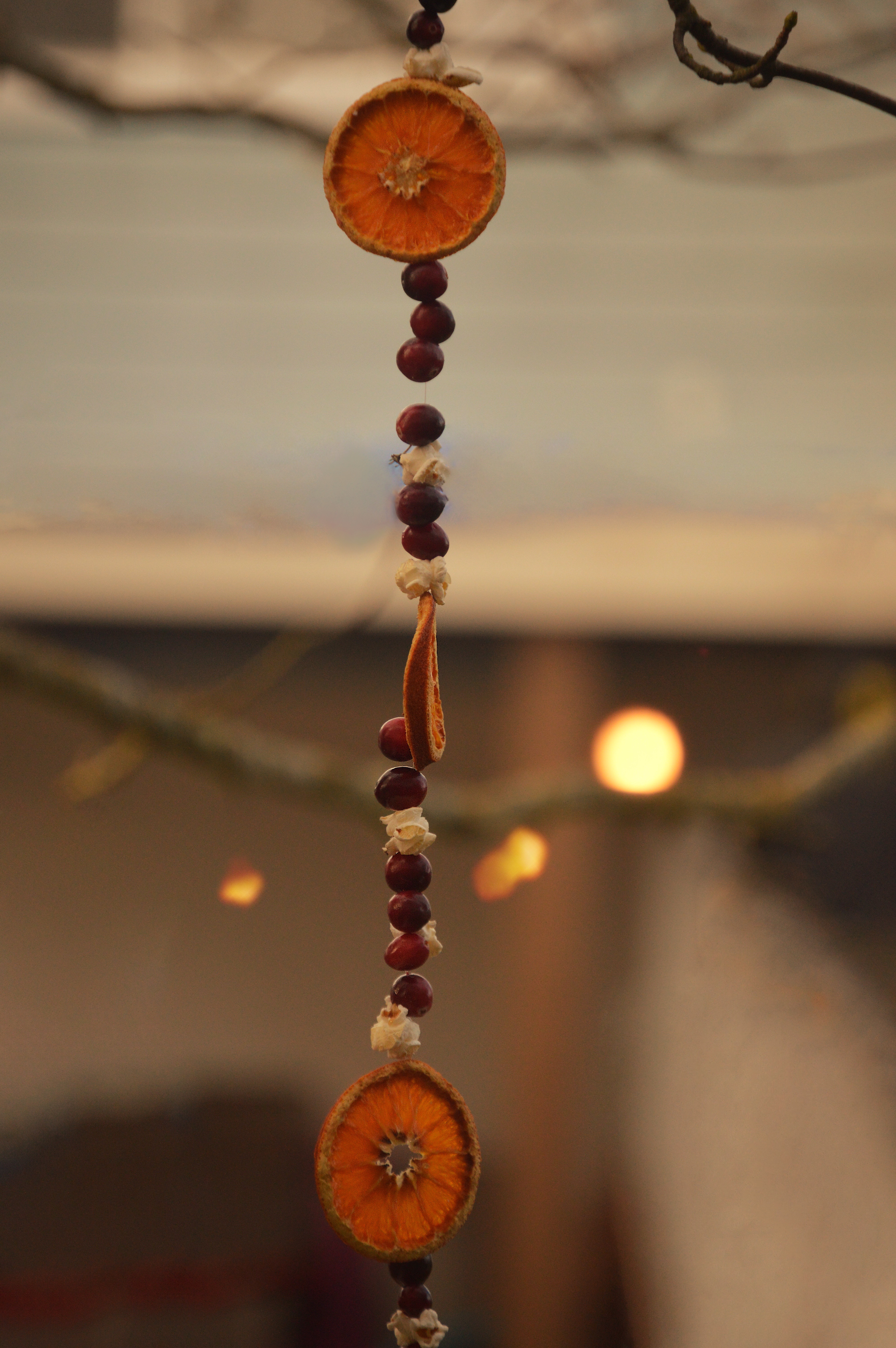
Making Nature garlands as a treat for our local birds is an excellent way to practice sewing skills for little fingers. We use a tapestry needle for easy grip and sharpness. These can be modified so that even a toddler can help and they make great gifts to bird and nature lovers. 


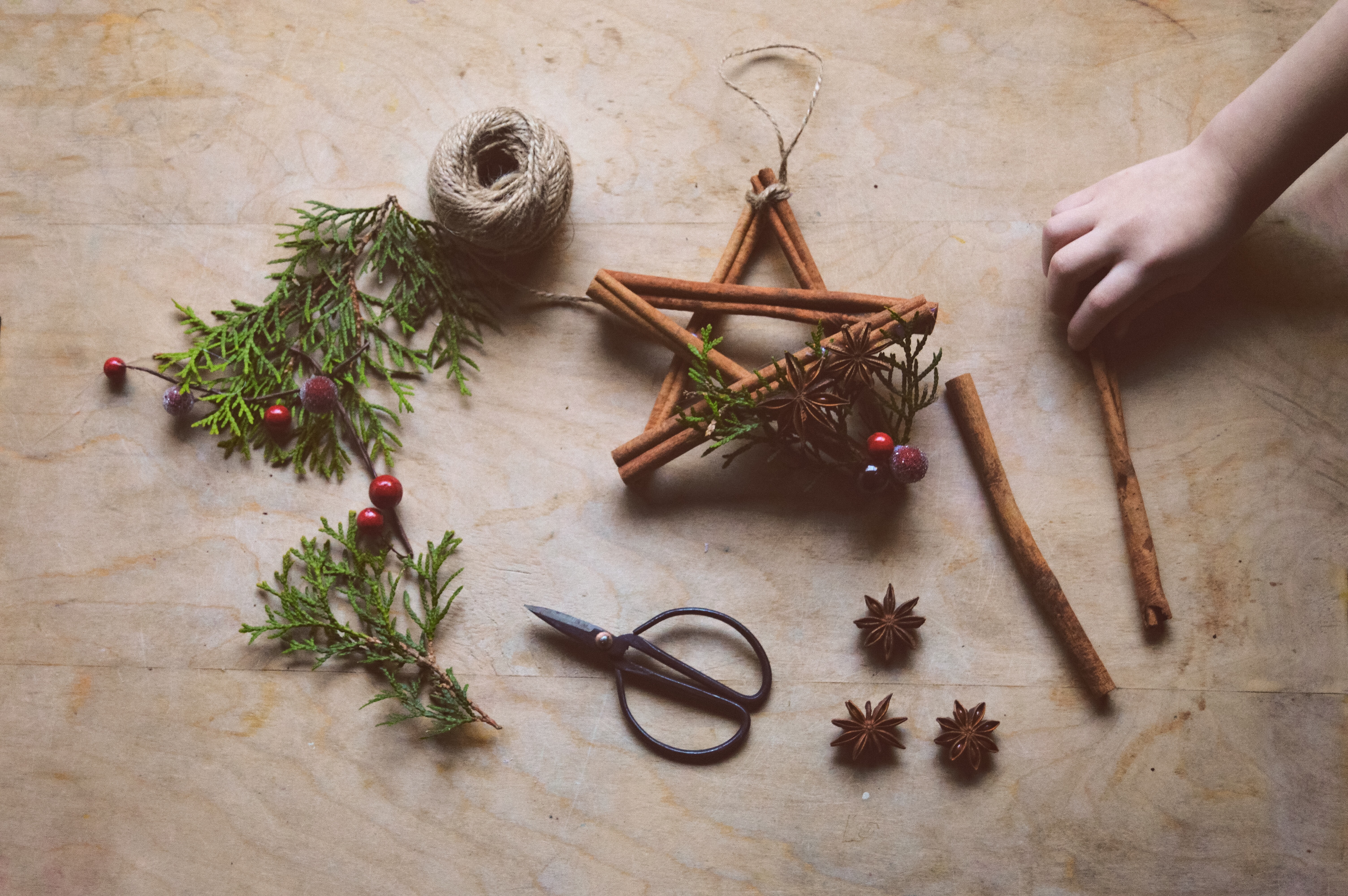
Cinnamon Stars are easy and perfect homemade gifts. Quentin has been using the hot glue gun for years now but if this is your child’s first time using one, we recommend giving a lesson first and hand over hand helps keep little fingers safe. 

The stars look beautiful attached to the outside of a package too. 

A homemade Yule Log is a classic favourite. Quentin loves making the meringue mushrooms. 


Nature walks on cold, crisp mornings offer a chance to follow animal tracks and see the changes the cold brings to the natural world. On this walk we examined frost patterns on leaves and watch some ducks test the ice before going in. 


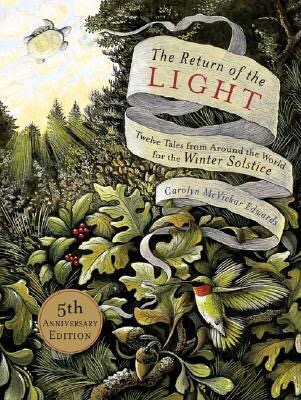
We love books in this house and Solstice wouldn’t be complete without curling up together for read aloud times. This book is our favourite non fiction Winter Solstice book for the 3-6 age group. I use it in my classroom and we have used it at home since it was published in 2014. 

This book is also lovely. We enjoy different fables from around the world and Quentin loves making the connection of where the fable originated to the region on his world map. 

This one has been a favourite of our house for years. We began reading it with Anthony on Solstice night years ago and Quentin now enjoys it although it is very much intended for a child in at least the Second Plane of Development. 

Lastly we all sit as a family and light homemade beeswax candles and listen to this amazing Canadian taken all too soon singing about the above fable. It is a beautiful song of a mother’s love for her child and has been Quentin’s favourite since before he could walk (if you follow us on Instagram you may have seen him sing it).

https://m.youtube.com/watch?v=8Puvx70wReg

As the afternoon sun fills our house on this the shortest day, we hope that whatever your family is doing in December, it is restful, peaceful and joyful.