Our family’s Montessori rhythm during crisis

The exercises of practical life are formative activities, a work of adaptation to the environment. Such adaptation to the environment and efficient functioning therein is the very essence of a useful education.” – Maria Montessori

Like most around the Earth, we are in a holding pattern: No school, no work, no in person social interactions and with all of that no typical day. And so although this can be a scary time, allowing for our natural family rhythm to find its footing and then letting it guide our days has meant some peaceful moments and also some relfection.

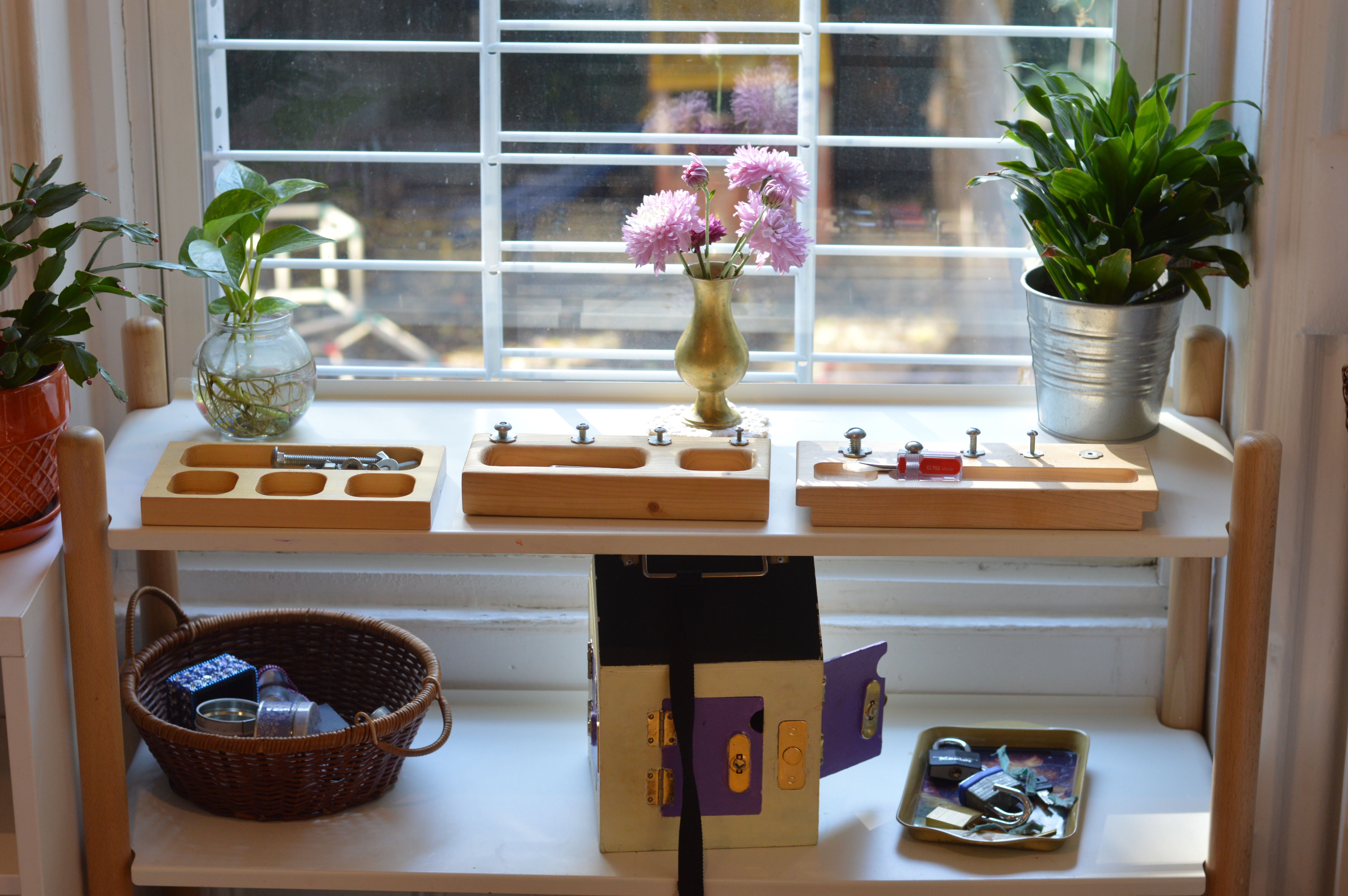
Breakfast is over an hour after it normally would be (we get up REALLY early for school), but we still all make a healthy meal, and sit together. We have found that some Practical Life/Cultural activities that are child led but with adult participation help get the morning started. Focusing on his interests instead of prescribed or adult centred learning outcomes sets us up for a much better day. Sometimes he decides to open an ice cream shop, sometimes he decides to help with the household laundry and sometimes he chooses to study the animals of Australia. Most lately he has been helping to renovate his workspace, laying new flooring and painting his chosen colour of a soft lemony yellow (called Frozen Banana).

Whatever it is, we let it flow at his pace, offer help to set up materials (much more effective for us in the morning than leaving it solely to him) and above all, follow his lead.

We usually bake when it’s closer to lunch. Baking simple recipes usually breads like these cheese and herb biscuits that I’ve been baking since I was a child, brings us together in the kitchen.

It’s usually at this point that he will decide to take some time for independent play. This has been the biggest difference. He is a child that has played for hours on end by himself since he was a little toddler exploring his toddler shelves. He has chosen to stay closer to us lately and we have folded that in as much as we can without drawing specific attention to it.

We make a point of setting the table for lunch and putting some music on. Something instrumental and in the background. It is a slowing down part of the day for us. Sometimes we talk or sometimes we just eat silently listening to the music. Sometimes not saying anything is important too.

After lunch (or often before if the day calls for it) we get into our gardens. Working in the earth is such a sensorial necessity for so many children. Caring for small seeds and tender baby shoots gives us a chance to look forward to something. A little long lasting project that isn’t expensive and is easily doable even if it’s just a few lettuce seeds in an old soup can on the window sill.

We plan to have some “rest time” time in the afternoon. Some space where we are available but where time alone can allow for big feelings to come out. Most often that looks like us all curling up with a good book, but sometimes it looks like Quentin actually falling asleep. He is almost 8 years old but forever a preemie. He curls up with a book and a blanket and listens to his body. Sometimes that’s on the couch with his kittens and sometimes that’s outside on a blanket in the backyard with his big brother.

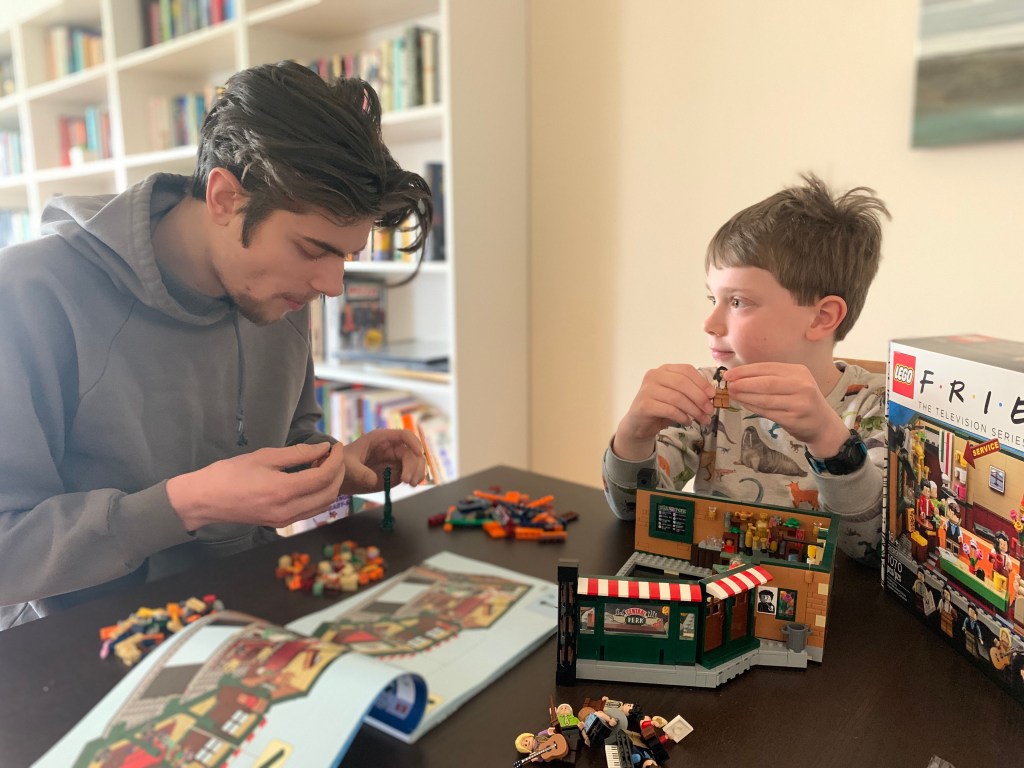
In the late afternoon he will usually return to playing by himself, often with LEGO or open ended material. This is when we try to schedule our business meetings, calls and emails. It doesn’t always work like this though and we do our best to be mindful of everyone in the house as we try to balance our professional commitments.

Then its dinner making and bedtime routines and our “not so normal” days catch up to our “normal” days at this point. Sometimes Quentin helps make dinner, sometimes he continues to play with his toys, sometimes he decides to make a craft or watch some media, or go play outside in the yard. Although there is a basic Grace and Courtesy foundation of “clean up what you got out” and “help others when you can” he has no set “chores”. After dinner, he has a bath or shower, gets ready for bed and we offer to read to him which he still loves and usually chooses or occasionally will opt for reading his novel independently.

This isn’t all of it and it doesn’t always go smoothly. He misses going out to the beaches and forests and even just to the library. He knows that his birthday is in just a few days and that there won’t be any friends or extended family to celebrate with. That’s hard when you are about to be 8.

Also mixed into the days are the video check ins and assignments required by his Montessori school although we are thankful that his school has seen the enlightened benefit in “Less is More”.

Find this quote here

This came across our screens a few days ago and hit home quite hard.

We are doing what Maria Montessori implored us to do a hundred years ago:

We see the figure of the child who stands before us with his arms held open, beckoning humanity to follow.

Montessori Book Club: Books for Spring

It’s been a quiet few weeks for us here. We, like the vast majority of the world are together, safe at home, watching and waiting to see what will come. But it is also Spring.

Spring for our family has so much to celebrate. The end of the rainy season, our wedding anniversary, and Quentin’s birthday. It’s a time we look forward and make plans and that’s all changed a little bit with this new “normal” around the world.

So, to capture some of the feelings we and our children may be experiencing, I wanted to showcase this beautiful new book sent over from Grey Stone Kids.

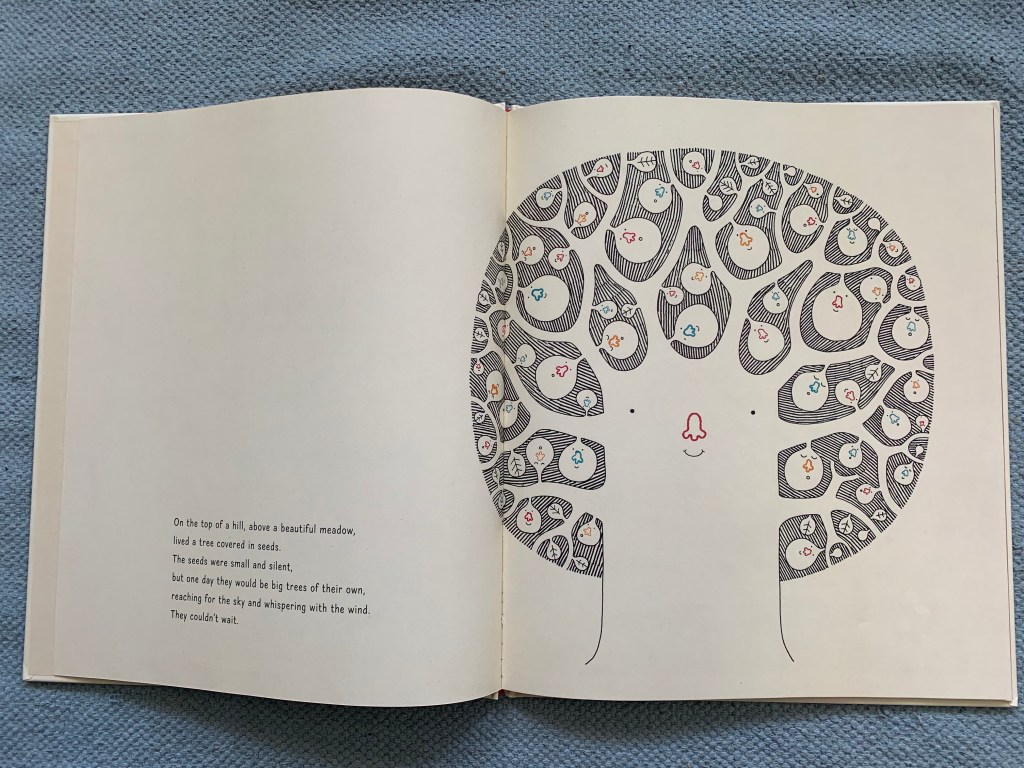
It’s a beautiful, simple and easily relatable story of a parent tree, covered in seeds who are small and silent but will one day be big trees of their own.

It touches on the feelings of worry we as parents and caregivers have about the children we love. Will they be okay? Am I protecting them enough, and above all, maybe I could keep them little for just a little bit longer.

It shows us that we can care for them and love them and even fuss needlessly over them, but one day they will grow up and that our confidence in them and their abilities will be one of the defining factors in their own self confidence.

“Stay Little Seed” releases on April 7 just as gardens are warming and trees are waking up here.

Montessori Book Club: Solstice Books 2019

This new book has quickly become a favourite. We have paired it with our nature based crafts, baking and slow living days curled up next to the fire under a cosy blanket.

Of course we love Carson Ellis artwork and this new book is no exception. The muted tones are perfect for Winter Solstice.

It tells a simple story of the history of the Winter Solstice, one that is easy for the youngest for readers to understand. It also connects the traditions of the past, with the traditions found in other celebrations like Christmas.

There are so few good Yule books out there for kids and we couldn’t be more please with this one. I’ll post our December bookshelf in its entirety on our Instagram page, later this week.

Giving Tuesday: Fruitful Orchard Montessori

“A child is both a hope and a promise for humankind” – Dr. Maria Montessori

We spent just over five weeks living and working at Fruitful Orchard Montessori in Nigeria this past summer. The kindness and love shown to Quentin and I by that school community could no be repaid in a life time.

However, we would like to try.

And so on this Giving Tuesday, we hi,boy ask all of you in our amazing community to join us in supporting Fruitful Orchard as thy endeavour to build an Elementary programme.

A programme that will allow the oldest of those beautiful children I fell in love with this summer to stay.

Follow this link to read more info and give to this incredibly important journey.

Montessori Book Club: Birdsong

The seasons are changing here. Autumn is definitely fleeting and Winter has crept in. It is the perfect time for family and friends and reflection.

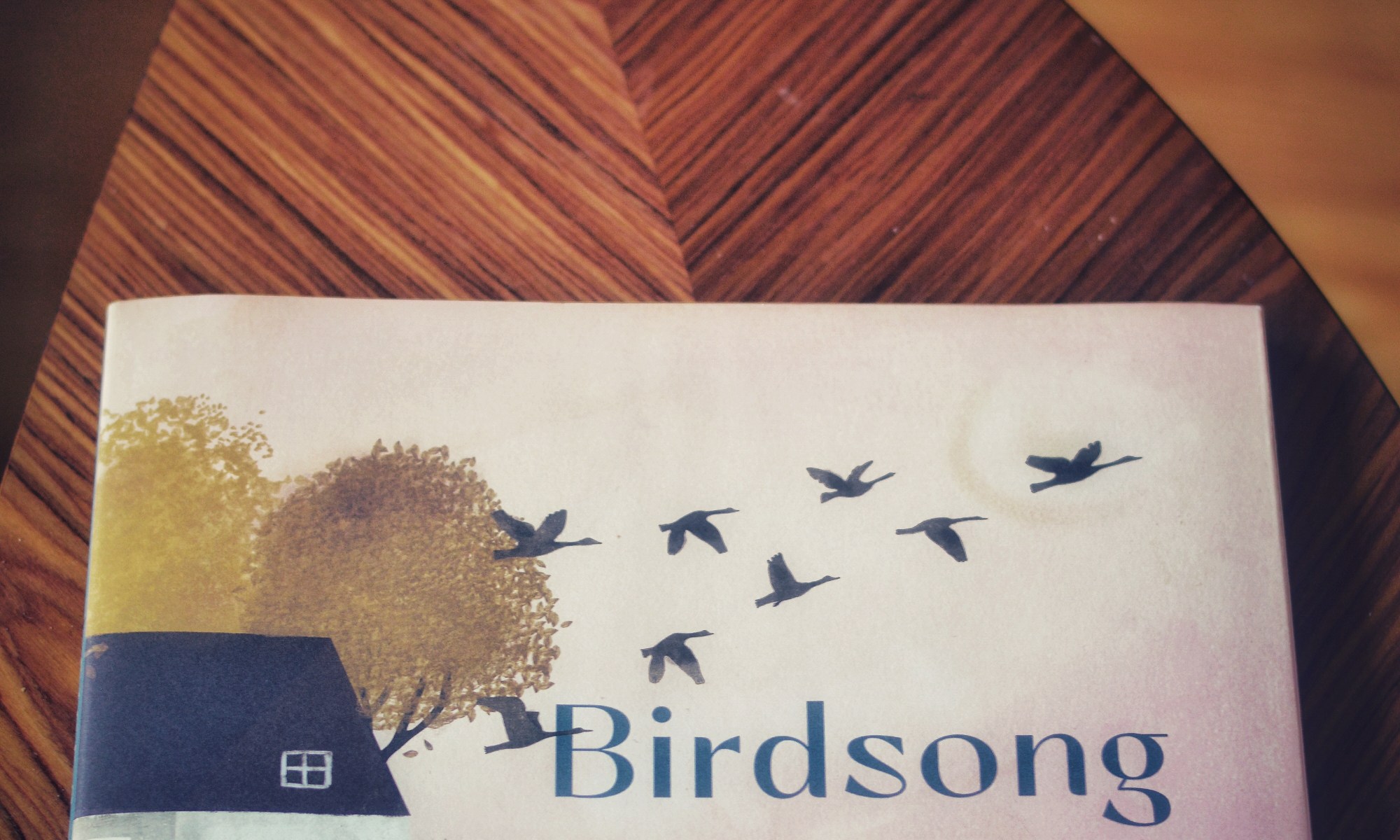
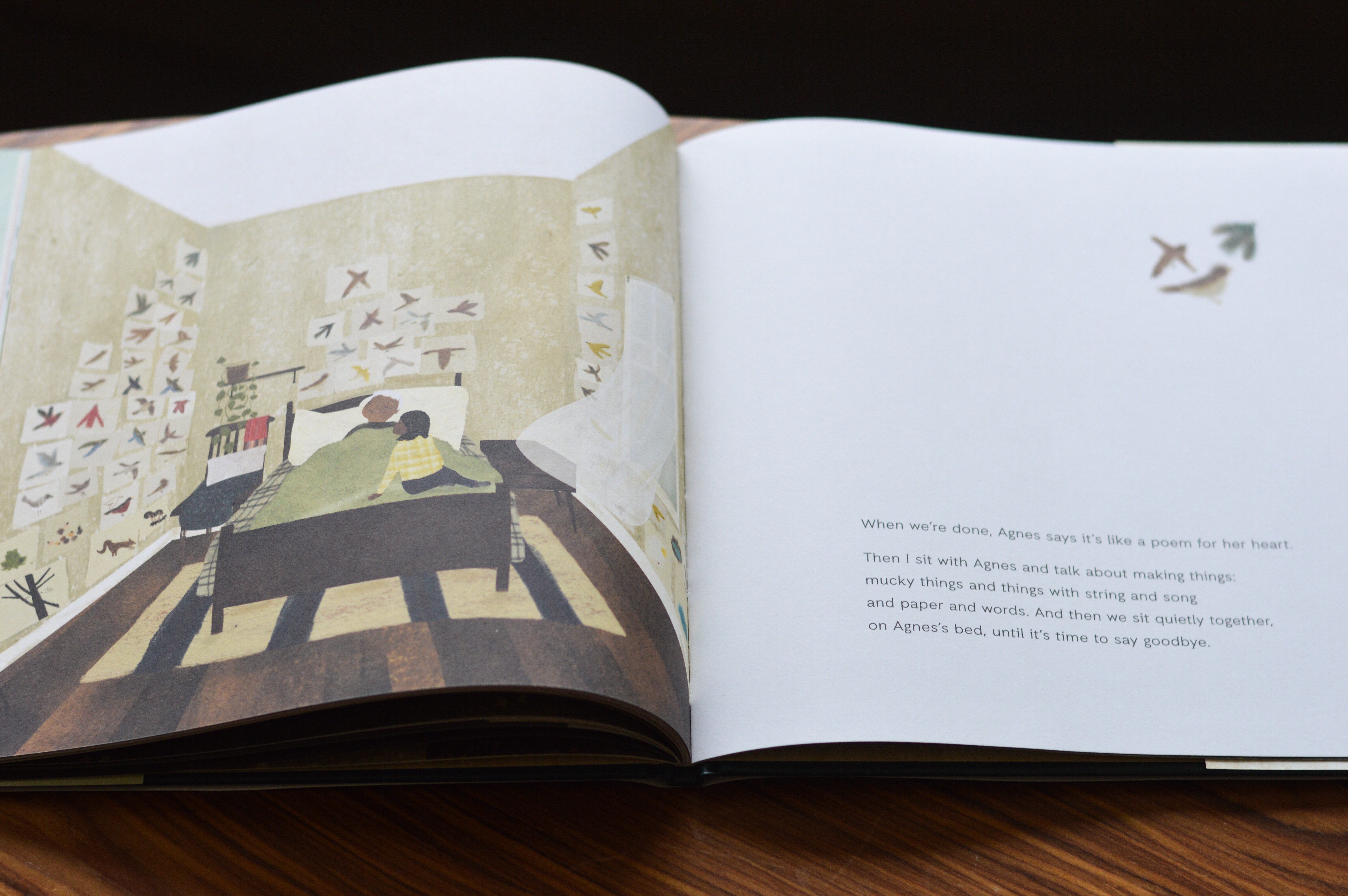
This new book Birdsong from Greystone Books is a beautiful story of a child that moves to their new home with their mother and meets their new neighbour, an elderly woman who loves nature and art as much as they do.

It highlights each season beginning with their arrival at the new house and how things are different.

We loved how the complexity of the intergenerational friendship is highlighted but in a gentle way focusing on how the child must navigate this and ultimately finds a connection with their elderly neighbour in art.

We absolutely love this book and were thrilled that it made the Globe and Mail’s “100 Books of 2019”! If you are looking for a beautiful “own voices” story this will definitely be a favourite for years to come.

A Montessori Field Trip: A visit to Brooklyn Children’s House

I love observing in toddler/preprimary environments and so when I had the chance to observe at Brooklyn Children’s House I eagerly took it.

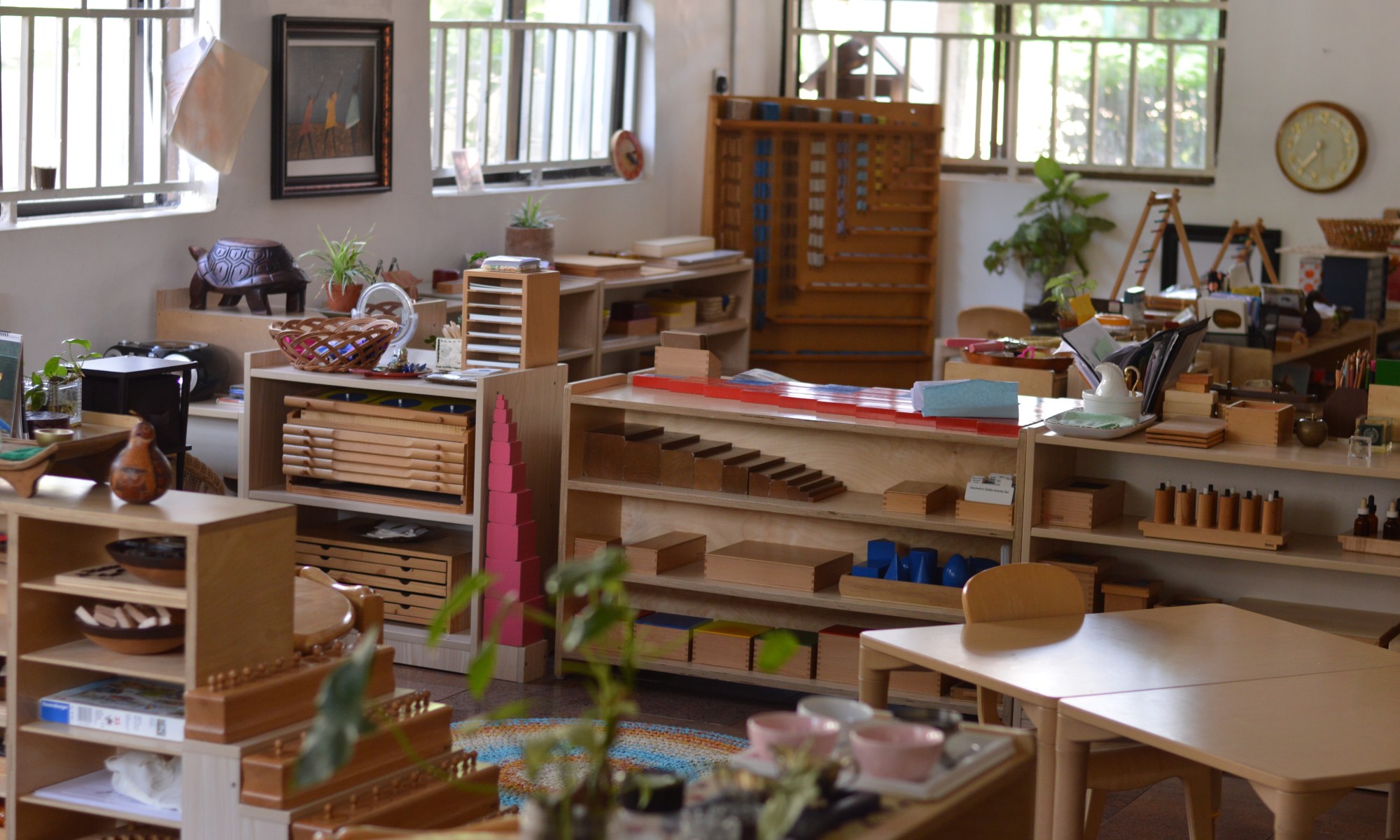
Lisa is the owner and her space is beautiful and so thoughtfully laid out. One of the biggest misconceptions about the Montessori pedagogy is that you need a lot of space and a lot of stuff. It simply isn’t true.

Throughout the two main rooms, children were happily working with Practical Life materials, art materials and having snack. If you have ever doubted an independent group toddler snack is possible go and visit Lisa. Three children happily sat around a toddler sized table serving themselves fruit and crackers and then putting their personalize placemats away and washing their dishes.

Toddlers are often not a quiet and calm bunch. They are also still working on their empathy, and emotional regulation. When teachers are trained to understand the underlying neurological and social development going on, appropriate and above all caring responses to that behaviour can happen. It was lovely to witness that in this space. It was also lovely to watch other very young children show empathy when asking if a child was ok, which is a testament to the hard foundational Peace and Courtesy work Lisa has put in.

I loved my visit and seeing the beautiful detail oriented space Lisa has curated for her students. If you are curious about quality authentic Montessori programmes please leave a comment and we will try to answer your questions.

Montessori Book Club: Maybe – The story about the endless potential in all of us

Have you ever had a children’s book speak to you deeply? One where the illustrations and message grab you and immediately you want to put that book into the hands of everyone you know?

That’s this book for us.

The first time I saw the cover I immediately knew it was that type of book and so when Compendium offered to send one I over I was thrilled.

“Your life is yours” it begins. If that was all of the message, mixed with the illustrations that would be enough for me to love it forever, but there was more.

“Wherever you go, take your hopes, pack your dreams and never forget – it is on journeys that discoveries are made”.

“Do everything with love. Follow your heart and see where it leads you.”

“Maybe you will speak up for those who can’t speak up for themselves.”

And of course because this book melds so seamlessly with the Montessori pedagogy it saves its most sage wisdom for last:

“You already have everything it takes to do big things.”

This book belongs in the hands of every child and most likely a great many adults.

This the perfect gift for new babies, children facing life changes and should be on every Montessori school’s bookshelf’s under the category of Peace Education.

Montessori Book Club: Winter Sleep – A hibernation Story

We are settling into the cosy days of Autumn here. The leaves have begun changing colour, the air is a little cooler and the sun a little more golden.

I am always on the lookout for brand new Montessori compatible nature books and so when Winter Sleep – A Hibernation Story came out last week I knew I had to grab it!

It’s the sweet story of a child who visits their grandmother’s home in the summer and loves exploring nature.

The illustrations are beautiful and whimsical but also extremely detailed.

The child returns in winter and asks to see the glade where they sat in summer, but is worried when it’s covered in snow. Where are all the flowers and the animals?

What I really love about this book is the information pages at the back.

There’s so much information on how different animals survive the coldest months of the year.

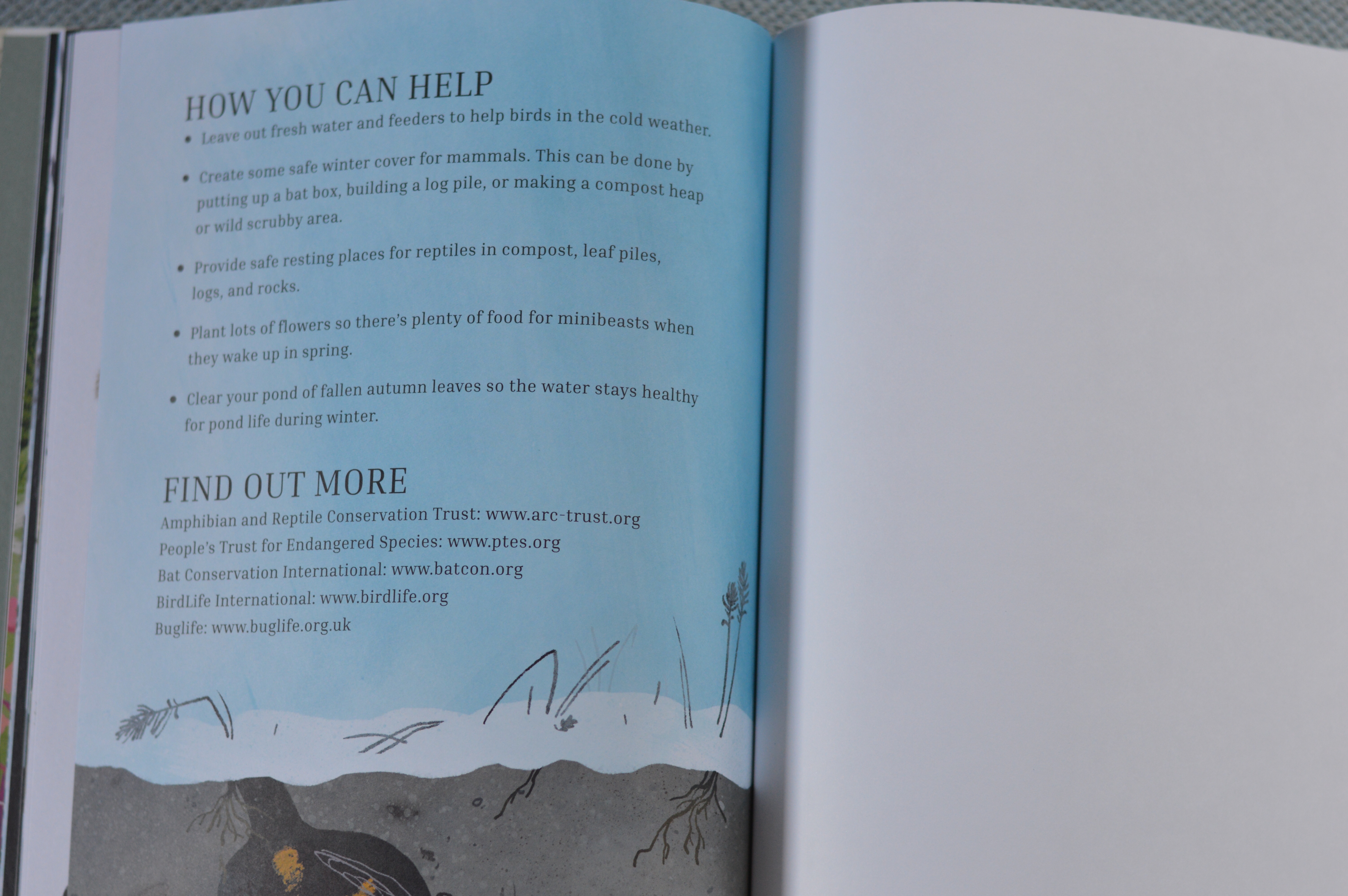
There’s also a section at the end on how people can help animals through the winter.

This is such a perfect book to share with children 3-6 years old. It will be on our shelves for years to come.

Montessori Summer Book Club: Pacific Northwest Books

When I was looking for books to bring to Africa to show the classrooms I would be teaching in my own home, the animals I see everyday and the general landscape, these two gorgeous ones immediately sold me.

A Whale’s World showcases the amazing ocean we find our tiny island home in. The photographs are stunning.

The story follows a local pod of orcas on their journey in search of food. Quentin loved showing the children here in Africa the different aspects of orca life and the many other Pacific Northwest sea animals featured.

The underwater pictures are rich and colourful and the text gives a clear and concise story filled with facts.

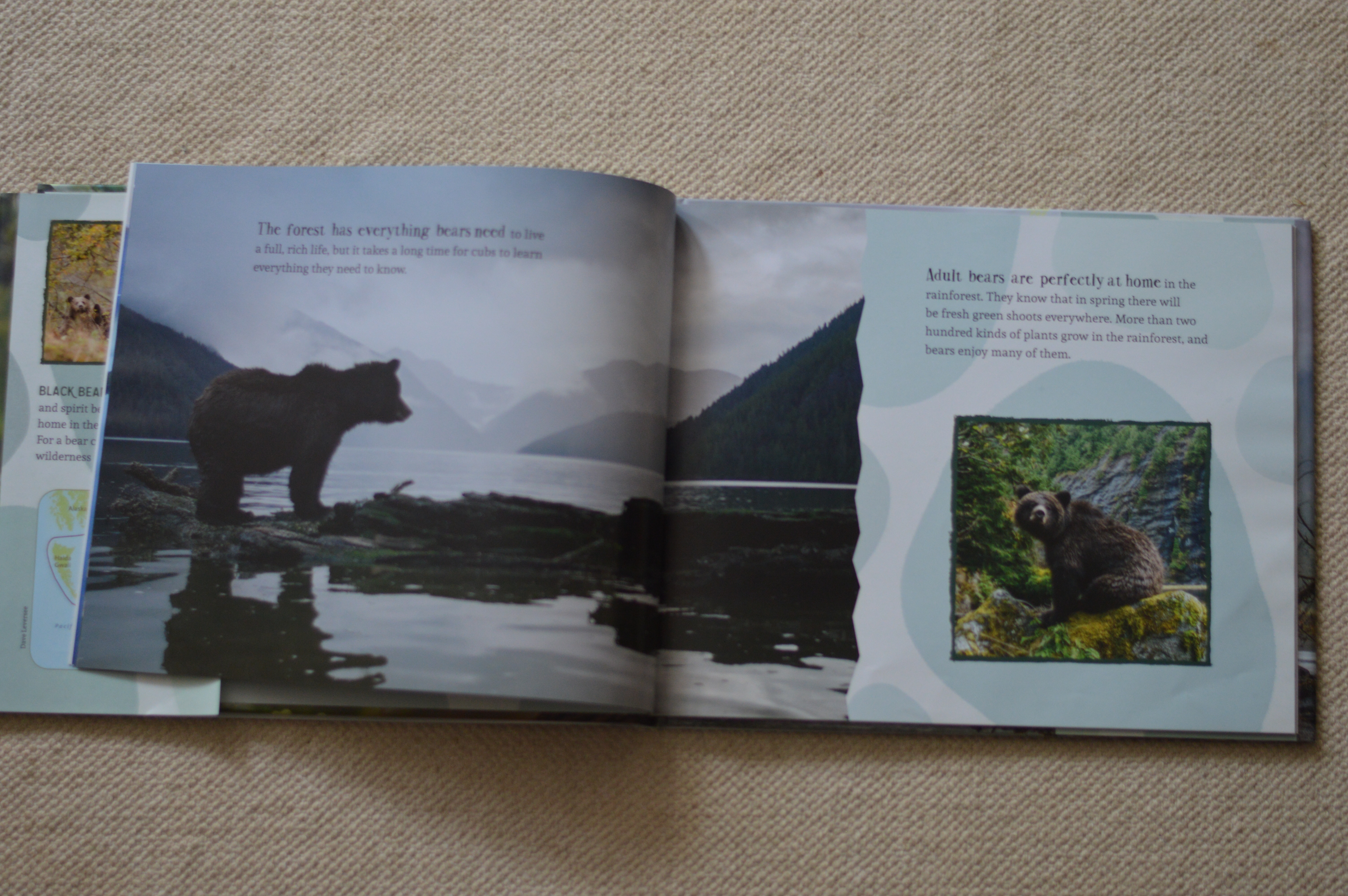
A Bear’s Life showcases our same beautiful part of the world but from the perspective of the forest.

The same rich beautiful pictures and engaging text take the reader on a journey through the temperate rainforest and along the beaches that border it.

The section of the Spirit Bear was particularly fascinating to the students.

These books have been a beautiful link between the classroom here in Nigeria and our home. They are perfect for children 3yrs+ who love animals or geography. For older students, they offer endless possibilities for extended self directed research projects.

A Montessori field trip: A trip to Fruitful Orchard Montessori in Nigeria

This has been a trip that has been a long time coming. 6 years in the making. And so, after months of planning, vaccinations and packing we are finally here.

I love travelling around the world to visit different Montessori environments. This one is particularity near and dear to my heart because I have been here (in spirit anyway) from the beginning. Before there was a school or children to fill it.

There is a vibrant and beautiful 3-6 classroom here and I will feature it in an upcoming post but what I wanted to focus on firstly was the Toddler Community at Fruitful Orchard. Authentic Toddler communities are hard to find in Canada and we don’t have a single one in our own community despite the fact that we have two Montessori schools that go from 3-6 all the way through high school.

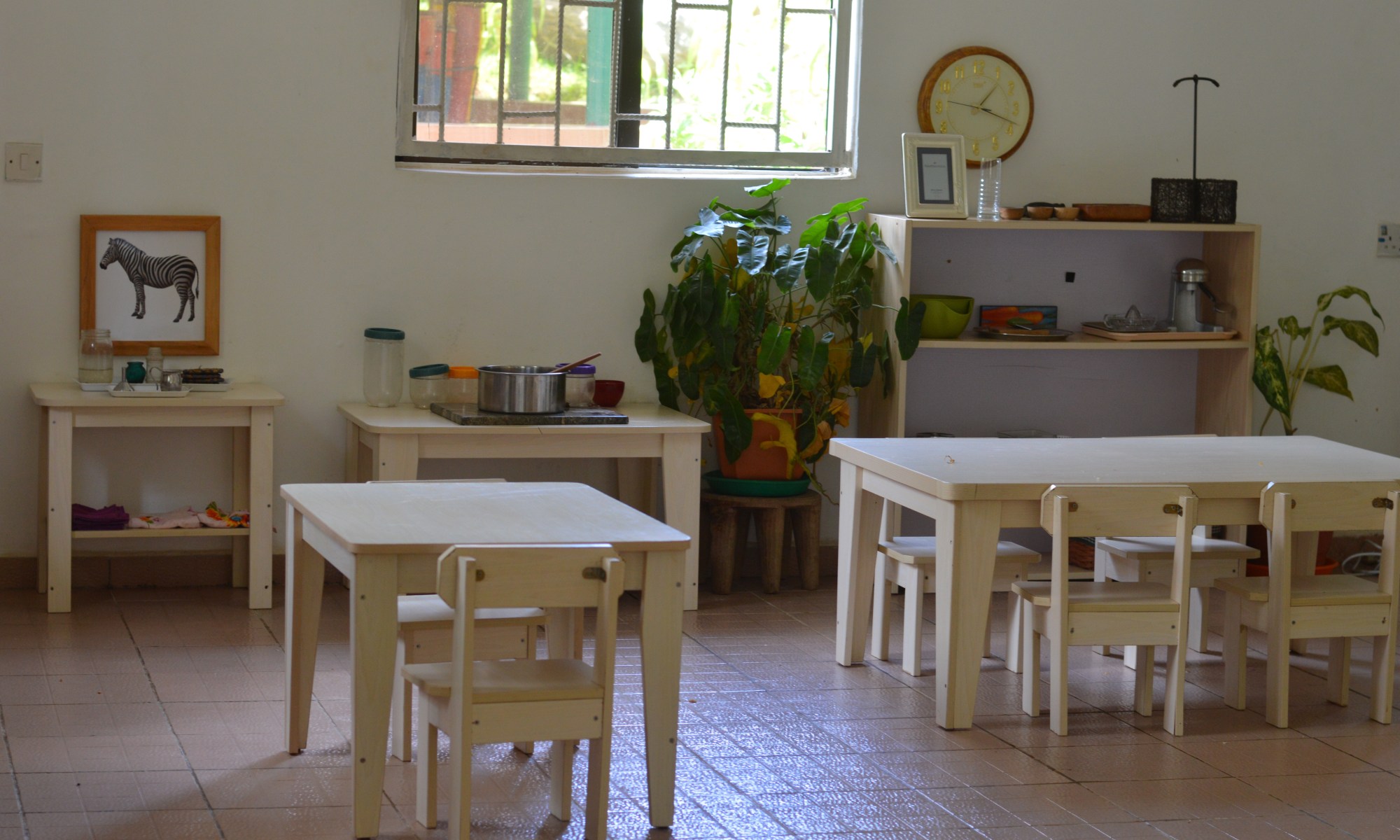
It has all the tell tale signs: tiny chairs and tables, light, bright and airy, but it also has some gorgeous personal touches that the owner Junnifa Uzodike has carefully arranged.

The beautiful artwork and custom fabrics immediately caught my eye. The tiny carved reading bench with hand made cushion is just perfect for two small friends to sit together and look at books. As a side note the books featured are excellent for toddlers.

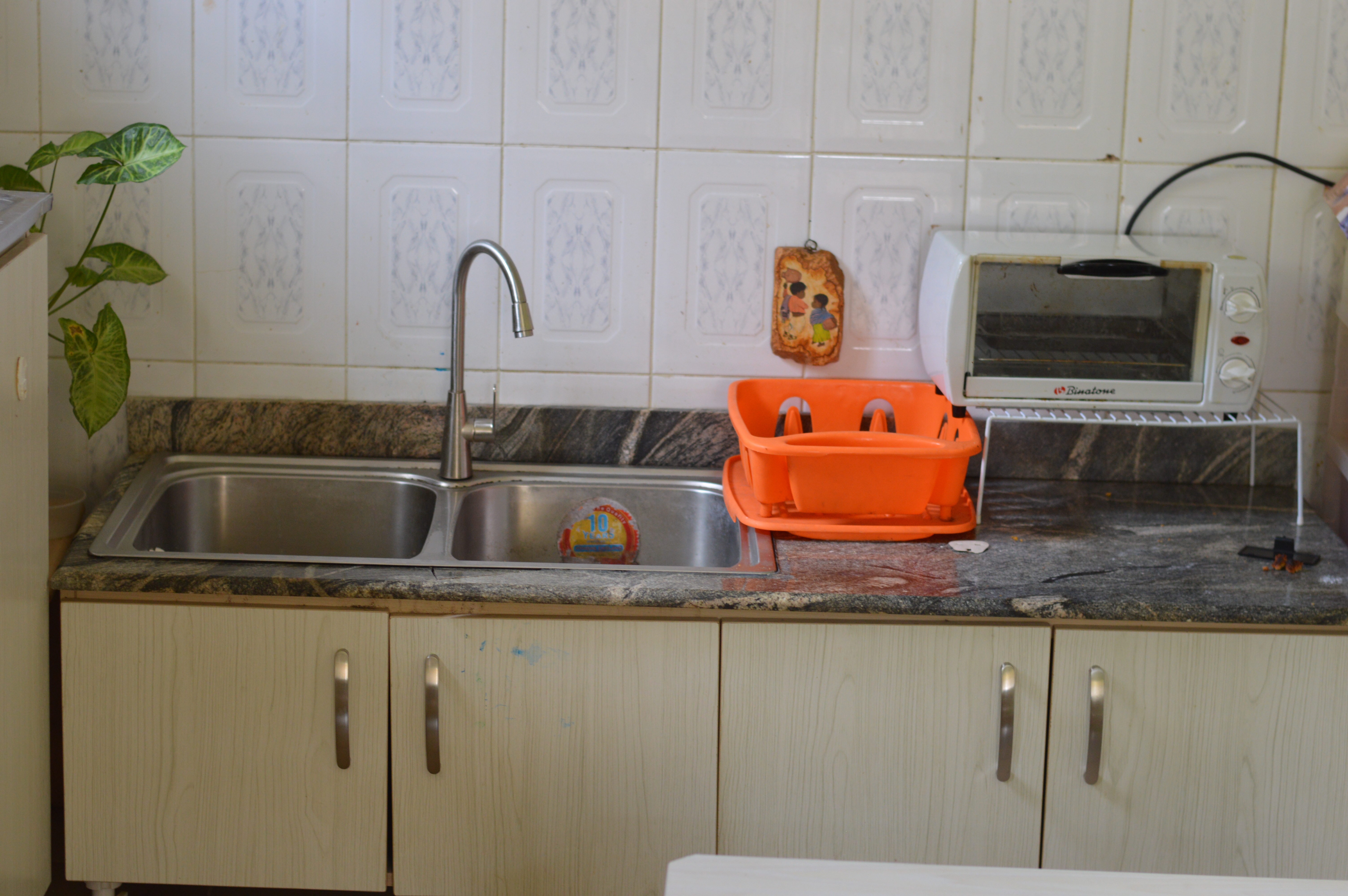
Perhaps the best part of this Prepared Environment is the tiny working sink, counter and real working oven at a toddler’s height. So often we see the opportunity to cook with heat taken away from toddlers. Here they regularly bake.

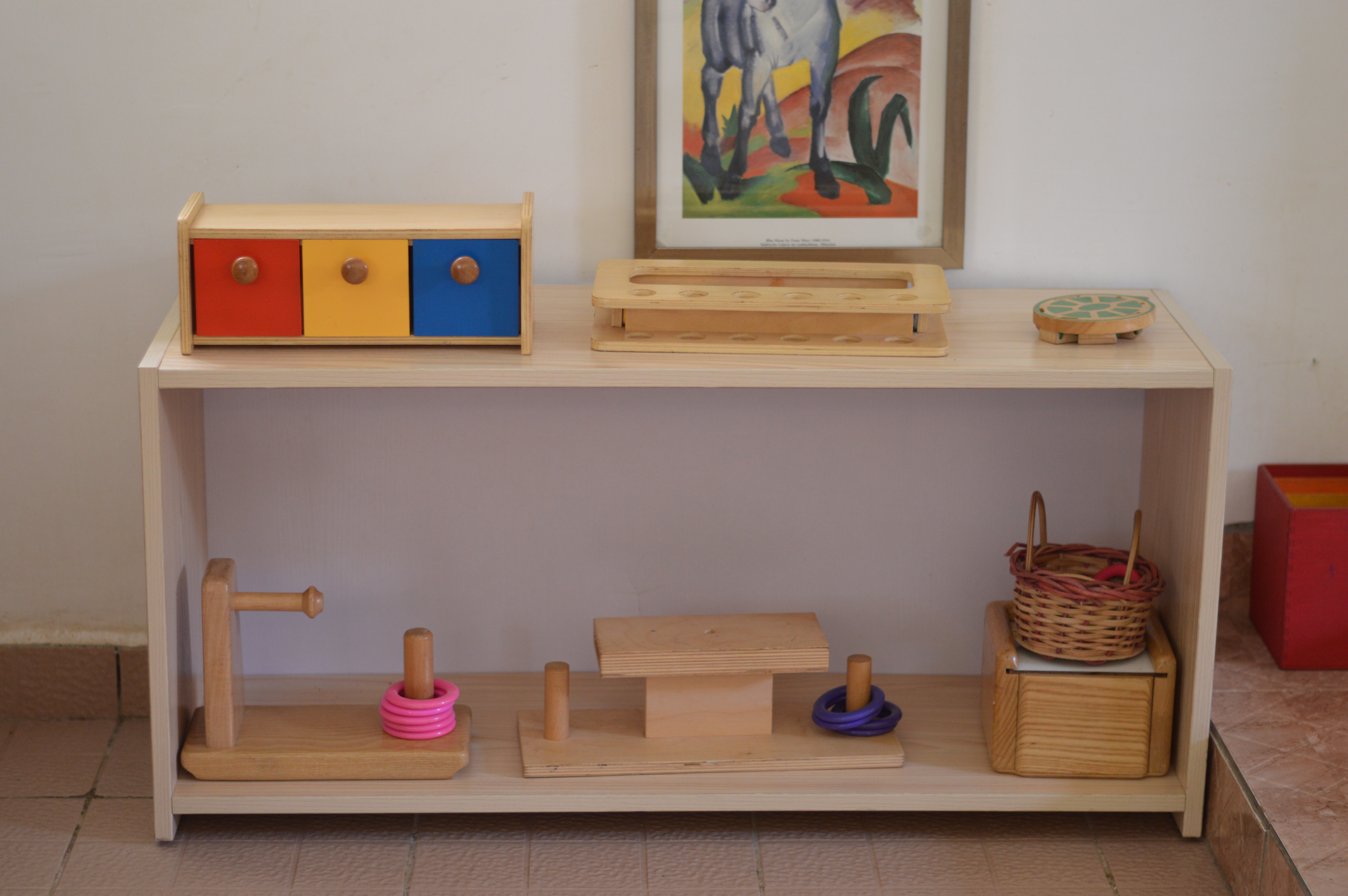
The Vocabulary shelves offer the toddlers a rich variety of new language and the chance to explore different items.

One of the most important part of a Montessori Toddler Community is the Practical Life lessons. Care of Self and Care of Others are the foundation of the Montessori Toddler years. That’s why when we knew we were coming I contacted Miniland USA and they rush delivered not only their beautiful dolls but also some warm weather outfits.

Toddlers love repeating. This little one removed the clothes of the doll, named all the body parts and put the clothes on again and again. It is so important for a young child to be able to see this Cycle of Activity through. The repeated fine motor movements and vocabulary solidifies key social neurological concepts that they move forward and build on. Dolls that a child can identify with (either by hair colour, eye colour, skin tone, genitals or physical features such as freckles, scars or implants) are incredibly important for all children. It gives them a chance to see them self and to practice all those Care of Self and Others lessons they have been working on. Often a child will mimic with a doll what they have experienced in their day.

We have been here a week and have a month left to teach in the 3-6 classroom, offer consulting and just spend time. The memories formed here will last long after we leave.